How to Choose a Pepper Mill That Lasts
A pepper mill usually earns attention only when it starts failing. One day it grinds cleanly, the next it crushes unevenly, jams halfway through dinner, or sheds black dust where it should be giving you proper seasoning. If you are wondering how to choose a pepper mill, the real question is simpler: buy once, or keep replacing the same disappointing tool.
A good mill should feel dependable from the first turn. It should grind consistently, sit securely in the hand and cope with daily use without loosening, cracking or turning into a kitchen irritation. That matters more than clever styling or a low price tag, because pepper is one of those ingredients you reach for constantly. When the mill is poor, every meal notices.
How to choose a pepper mill without wasting money
The biggest mistake is treating a pepper mill as a throwaway accessory. Cheap grinders often look decent on a shelf, but the weak points show up quickly - flimsy bodies, blunt mechanisms, inconsistent settings and parts that wear before they have properly settled in. What seemed economical becomes expensive when you are replacing it again within a year.
A better approach is to judge the mill as you would any hard-working kitchen tool. Look at what it is made from, how it grinds, how it adjusts and whether it feels built for regular use rather than occasional display. A solid mill costs more upfront, but that higher price usually buys reliability, not decoration.
Material is the first clue. Lightweight plastic has its place in plenty of kitchens, but it rarely signals longevity in a pepper mill. A sturdier body gives better balance in the hand and stands up better to knocks, steam and daily handling. If the mill feels hollow, overly light or brittle, it probably is.
The grinding mechanism matters even more. This is the working heart of the mill, and if it is poor, nothing else will save it. You want a mechanism that bites cleanly into peppercorns rather than crushing them into uneven fragments and dust. A proper grind releases aroma and gives you control over flavour. A bad one gives you frustration.
The mechanism matters more than the finish
People often shop with their eyes first. There is nothing wrong with wanting a mill that suits your kitchen, but looks should come after performance. A polished finish, fashionable colour or sleek silhouette does not tell you how well the mill will perform after six months on the worktop.
Start with the mechanism. For pepper, a strong metal grinding system is generally the safer bet for long-term use. It should handle hard peppercorns with ease and maintain a steady output rather than producing an erratic mix of chunks and powder. Ceramic mechanisms are common, but quality varies, and some cheaper versions do not inspire much confidence under heavy use.
Then consider adjustment. A useful pepper mill should let you move between finer and coarser grinds without fuss. Fine pepper works well in sauces and soups, while a coarser grind suits steaks, salads and finishing dishes at the table. If the adjustment system feels vague or slips easily, you will spend more time fiddling than seasoning.
A firm, simple adjustment is best. No one wants a gadget that needs a manual every time they change from fine to coarse. Kitchen tools should work with you, not test your patience.
Size, weight and feel in the hand
There is no single perfect size, because it depends on how you cook. If you season constantly and cook for a household, a larger mill saves frequent refilling and usually offers a more substantial grip. If you want something mainly for the table, a smaller mill may feel more practical and less imposing.
That said, very small mills often come with compromises. They need topping up more often, can be fiddly to grip and may not deliver the same smooth turning action as a larger, better-balanced model. On the other hand, an oversized mill can feel cumbersome if you only use it occasionally.
Weight matters too. A good pepper mill should feel solid, not awkward. Some heft is reassuring because it suggests better materials and stronger construction. Too little weight can make a mill feel disposable. Too much, especially with a poor shape, can make it tiring to use. The best mills strike a sensible balance - substantial enough to feel serious, comfortable enough for everyday cooking.
Shape is easy to overlook, but it affects use every single day. A mill should sit naturally in the hand, with enough grip to turn confidently even when your hands are slightly damp or you are cooking in a hurry. Smooth, slippery designs may look elegant in photographs, but they are less convincing over a hot hob.
What to check before you buy
When comparing mills, a few practical details tell you a great deal. First, look at how it fills. Refilling should be straightforward, not a fiddly operation that scatters peppercorns across the counter. If a design makes a basic task awkward, that is usually a sign that convenience was not high on the priority list.
Next, check whether the grind setting stays put. Some mills drift during use, especially cheaper ones with loose top knobs or imprecise adjusters. That becomes irritating quickly, particularly if you like a specific grind for certain dishes.
It is also worth looking for clear signs of durability. A proper warranty says the maker expects the mill to last. So does transparent information about materials and manufacturing. If a brand is vague about what the mill is made from or how it is built, there is usually a reason.
For many buyers, origin matters as well. British-made kitchenware still carries weight because it suggests accountability, craftsmanship and standards that are harder to fake. That is not about nostalgia for its own sake. It is about knowing the product was built with some pride behind it.
Choosing a pepper mill for your kitchen style
Performance comes first, but the right pepper mill should also suit the way your kitchen looks and feels. This is a tool that often lives on the worktop or table, so it should have a presence you do not tire of.
If your kitchen leans modern, you may prefer clean lines and a darker finish. If it is more traditional, a mill with material character and classic shape can sit more naturally alongside wood boards, enamelware and cast iron pans. The key is to choose something timeless rather than trend-led. Kitchen fashions pass quickly. A well-made mill should outlast them.
This is one reason many people move towards more substantial materials. They age better, feel more honest and avoid the slightly disposable look of cheaper alternatives. A pepper mill should not seem flimsy next to the rest of your cookware.
Price, value and the cost of replacing rubbish
There is a difference between expensive and good value. A premium pepper mill is not automatically worth the money, but the cheapest option often proves false economy. If you have ever owned a grinder that jammed, cracked, corroded or lost its grind setting, you already know that low upfront cost can become a repeated expense.
Value lies in long service, consistent performance and the simple fact that the thing works properly every time you need it. That reliability is worth paying for, especially in a kitchen tool used daily. A stronger mill also makes a better gift because it feels considered, useful and lasting rather than last-minute.
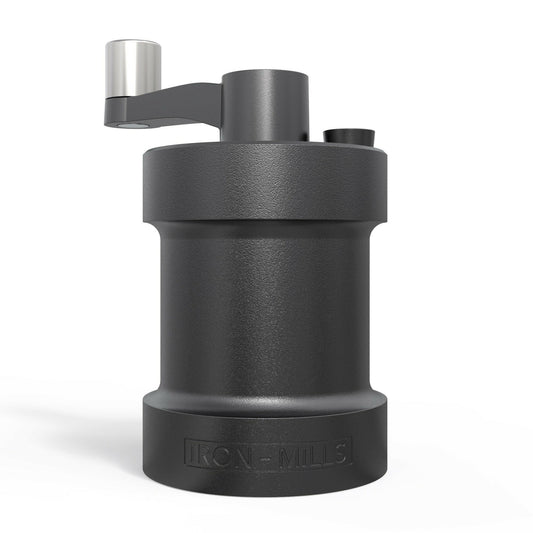
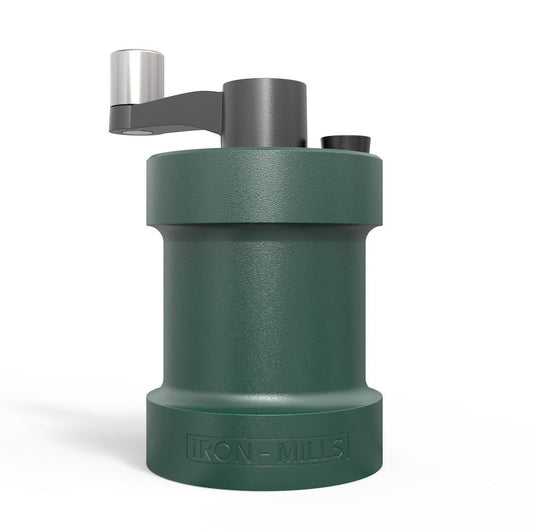
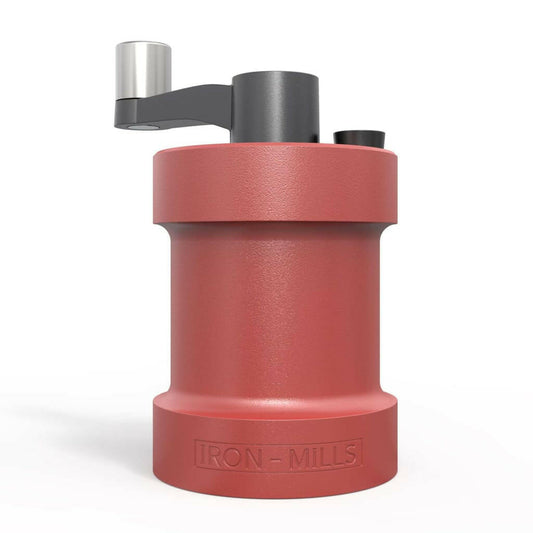
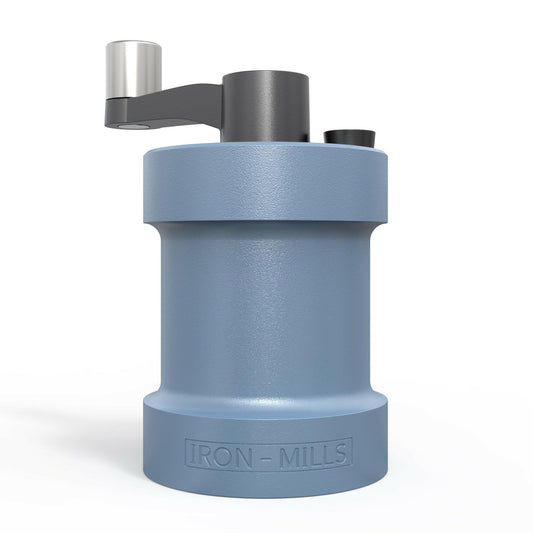
This is where a brand such as Iron-Mills makes sense to the buyer who is tired of buying twice. Built in Britain, made with durable materials and backed by a 10-year warranty, it speaks to a straightforward idea: kitchenware should earn its place and keep it.
How to choose a pepper mill for everyday use
If you want a practical rule, choose the mill that you would still trust after years on the worktop. That means strong materials, a reliable grinding mechanism, easy adjustment, comfortable handling and enough presence to feel like a proper kitchen tool.
Do not be distracted by gimmicks. Battery-powered features, novelty shapes and fashionable finishes can all sound appealing, but they matter little if the grind is poor or the body wears quickly. Pepper mills are at their best when they are simple, sturdy and well made.
It also helps to be honest about your habits. If you cook often, season generously and care about consistency, buy for performance first and appearance second. If the mill is mostly for the dining table, you may prioritise style slightly more, but it still needs to work properly. Good looks cannot rescue a weak mechanism.
The right pepper mill should feel reassuring from the moment you pick it up. Solid, dependable, easy to use - the sort of piece that becomes part of how you cook rather than another object waiting to be replaced. Choose with that standard in mind, and you will not spend much time thinking about pepper mills again, which is exactly the point.