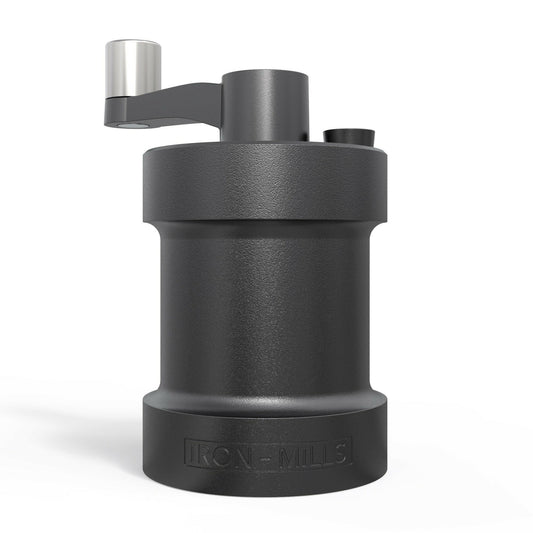
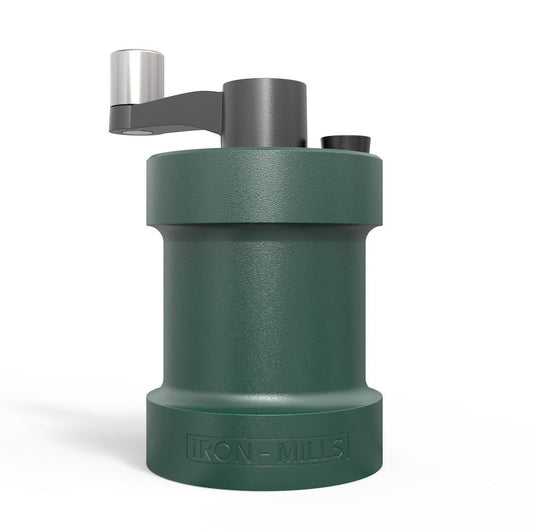
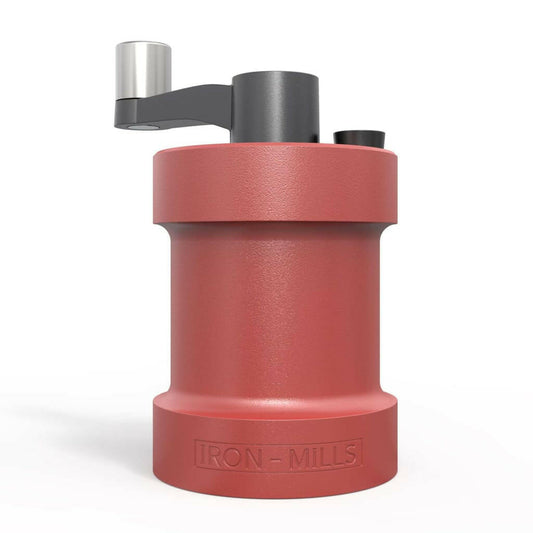
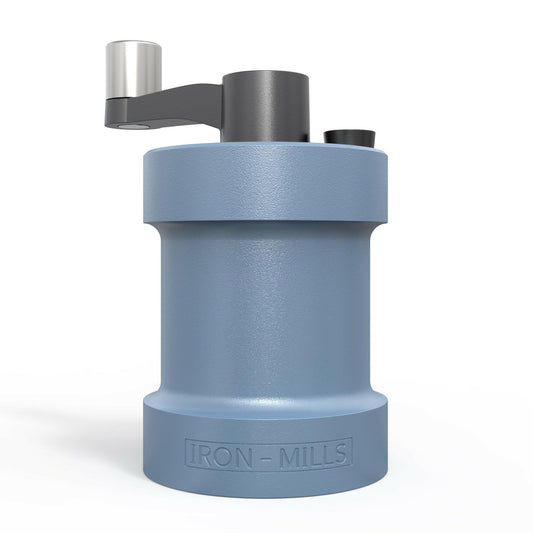
Built in Britain Kitchenware Gifts That Last
Some gifts get a polite thank you, then disappear into the back of a cupboard. Built in Britain kitchenware gifts tend to do the opposite. They stay on the worktop, get used every day and quietly prove their worth over time.
That difference matters, especially when you are buying for someone who actually cooks. A serious home cook does not need another novelty apron or a gadget with one oddly specific purpose. They need tools that feel solid in the hand, work properly under pressure and still look good after years of use. That is where British-made kitchenware earns its place.
Why built in Britain kitchenware gifts stand out
The phrase can sound like a badge stamped on for effect, but in the kitchen it usually points to something more practical - material quality, tighter manufacturing standards and a clearer sense of who made the thing and why. When a product is built in Britain, there is often more accountability behind it. That does not guarantee excellence on its own, but it can be a strong sign that the maker is backing the product with substance rather than marketing.
For gift buyers, that matters because kitchenware lives a hard life. It is handled daily, knocked about on busy evenings, wiped down in a hurry and expected to perform without fuss. Cheap imports often look acceptable in the box, then fail where it counts. Handles loosen. Mechanisms grind unevenly. Finishes wear thin. Before long, the gift becomes clutter.
A well-made British piece tends to avoid that cycle. It is not only about heritage or appearance. It is about giving something that earns its keep.
What makes a kitchenware gift worth giving
Useful kitchenware is harder to buy than it looks. The best gifts sit at the point where practicality, durability and design meet. Miss one of those and even an expensive item can feel disappointing.
It should solve a real annoyance
Good gifting starts with friction. What annoys the person in their own kitchen? Blunt tools, poor grip, uneven seasoning, pans that never quite heat properly, storage that feels flimsy. The strongest gifts remove one daily irritation and replace it with something dependable.
A proper mill is a good example. People put up with poor grinders for years because they seem too small to replace. Yet anyone who cooks regularly notices the problem every day. Weak mechanisms, inconsistent grind size and bodies that feel light or unstable make seasoning a chore. Give them a weighty, well-built mill and the difference is immediate.
It should feel built to last
There is no shortage of kitchenware that looks premium from a distance. The test is how it feels once you pick it up. Does it have proper heft? Are the moving parts precise? Does the finish suggest longevity rather than short-term shine? A lasting gift should feel convincing before it is ever used.
This is one reason cast iron and similarly substantial materials remain attractive. They communicate permanence. They are not pretending to be professional-grade. They simply are.
It should suit everyday life, not a fantasy kitchen
Some kitchen gifts are bought for the person someone imagines they are buying for. A pasta machine for the friend who orders takeaways. A smoking gun for the couple who barely cook. A specialist baking tool for someone who has never made a sponge.
Better to buy for real habits. If they cook most evenings, entertain often or care about the details of seasoning and presentation, strong everyday tools will always beat flashy gadgets.
The best types of built in Britain kitchenware gifts
Not every kitchen item makes sense as a gift. The strongest choices are practical enough to use often, but considered enough to feel special.
Salt and pepper mills
This is one of the most reliable choices because it sits right at the centre of daily cooking. A quality mill set is useful from the first day, looks at home on the table or worktop and gets better value from regular use than almost any decorative kitchen gift.
The trade-off is that the category is crowded with mediocre options. Plenty of mills look smart online but feel hollow in real life, or they lose performance long before they should. That is why material and mechanism matter. If you are buying as a gift, choose mills that prioritise durability, grip, consistency and a clear sense of build quality. British-made cast iron stands out here because it brings real substance rather than cosmetic weight.
Chopping boards and butcher’s blocks
A proper board is another gift that people rarely regret. It protects knives, improves prep and adds character to the kitchen. British-made timber boards can make excellent presents, especially for confident home cooks or hosts who serve food at the table.
The only caution is maintenance. Some people enjoy caring for natural wood, while others want something lower effort. If the recipient is not likely to oil and maintain a board occasionally, a different gift may suit them better.
Cast iron cookware
For cooks who enjoy serious food, cast iron pans and dishes still hold strong gifting appeal. They retain heat, wear in well and offer the kind of long-term usefulness that disposable non-stick can never match.
That said, cast iron is not for everyone. It is heavier, needs some care and can feel like too much for a casual cook. It works best for someone who already values good cookware and wants pieces with staying power.
Utensils with proper material quality
There is a lot to be said for well-made kitchen basics. British-made utensils, serving tools or preparation tools can be excellent gifts if they are made from strong materials and have a clean, timeless design. The key is to avoid buying something so generic it feels like an afterthought.
Why gifting quality beats gifting novelty
Kitchen gifting often goes wrong because buyers want a quick emotional win. A funny slogan, a clever shape, a trend-led colour. It gets a smile on the day, but it rarely lasts.
Quality works differently. It may look quieter at first, but it creates a better experience over years. Every time the recipient seasons a dish, serves supper or reaches for a trusted tool, your gift proves itself again. That is a far stronger result than one burst of amusement followed by neglect.
This is especially true when buying for adults who have already set up home. They are less impressed by clutter and far more likely to value something they can use constantly. A dependable kitchen tool respects their standards and their space.
How to choose built in Britain kitchenware gifts well
Price matters, but it should not be the only signal you follow. Expensive does not always mean better, and cheap often becomes costly when replaced repeatedly.
Look first at materials. If a product claims durability, the construction should support that claim. Then consider whether the maker offers anything meaningful behind the sale - a proper warranty, clear manufacturing information and confidence in how the product performs. Those details tell you whether the brand expects the item to last.
It also helps to think about where the gift will live. Some people want kitchen tools on display. Others prefer everything tucked away. A good gift should suit both the style of the kitchen and the habits of the person using it.
If you are unsure, buy closer to the daily essentials. Seasoning mills, boards and well-made prep tools are safer choices than highly specialised equipment. They offer broad usefulness without feeling dull.
When British-made matters most
There are categories where country of manufacture is little more than a talking point. Kitchenware is not one of them. In this space, origin often connects directly to standards, craftsmanship and trust.
For buyers who care about where things come from, built in Britain is part of the value. It suggests shorter chains of accountability, stronger ties between maker and product, and a level of pride that is often missing from anonymous mass production. It also makes the gift feel more grounded - less throwaway, more considered.
That is one reason premium brands such as Iron-Mills resonate with people who are tired of replacing cheap grinders every year or two. The appeal is not simply that the product is British-made. It is that the build quality, durability and confidence behind it all line up.
Built in Britain kitchenware gifts for people who notice quality
Some recipients will not care where something was made so long as it works. Others notice everything - balance, finish, weight, consistency, feel. If you are buying for the second type, compromise is usually obvious.
That is why built in Britain kitchenware gifts make such strong presents for cooks, hosts and design-conscious homeowners. Done well, they offer more than usefulness. They carry a sense of permanence. They feel honest. And in a room full of disposable purchases, that stands out.
A good kitchen gift should not need explaining. It should feel right in the hand, do its job properly and still be around years from now, looking as though it belongs there. If you buy with that standard in mind, you will give something better than a nice surprise. You will give something they will keep reaching for.