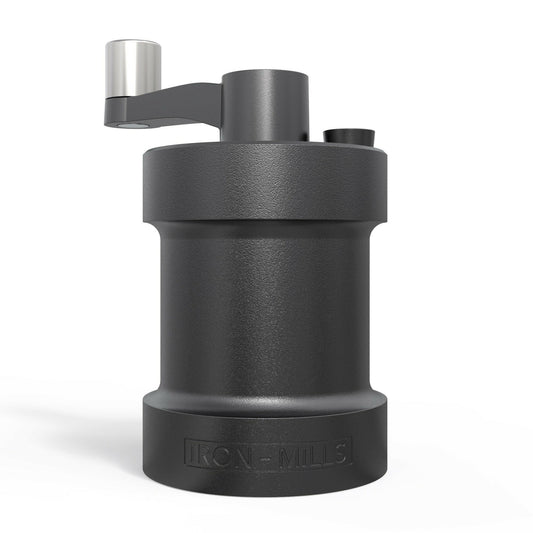
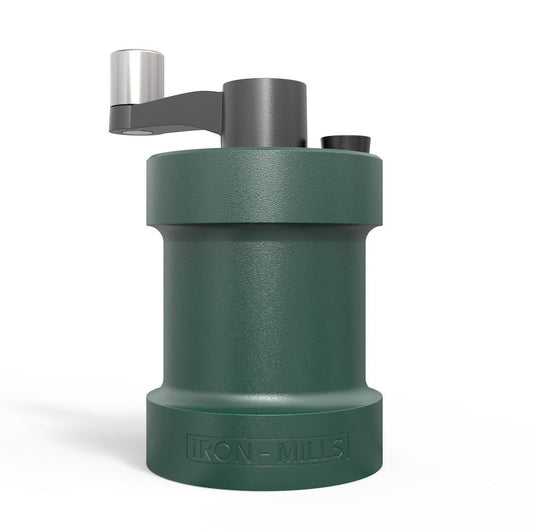
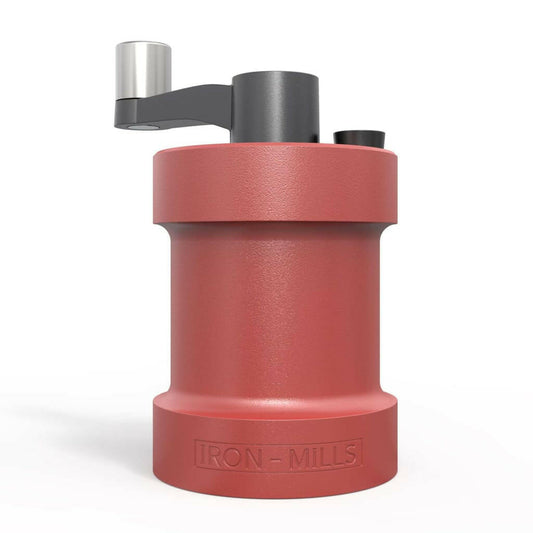
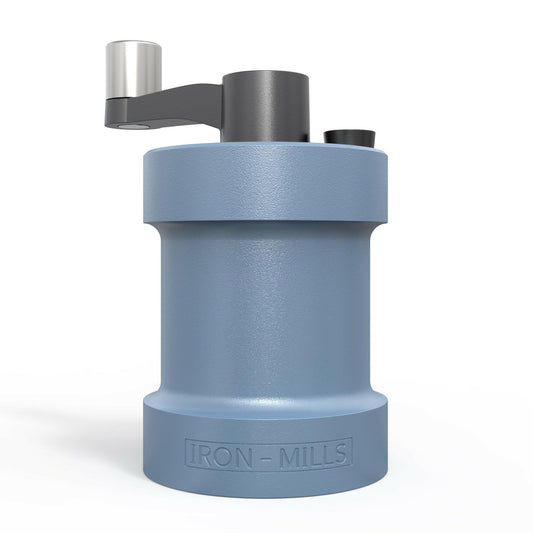
A Guide to Cast Iron Seasoning Mills
Cheap grinders tend to fail at the exact moment you need them most - halfway through cooking, with damp salt clumping in the chamber or peppercorns refusing to turn. A proper guide to cast iron seasoning mills starts there, with the reason people upgrade in the first place. They want a mill that feels solid in the hand, grinds consistently, and keeps doing its job year after year rather than for a few hurried months.
Cast iron seasoning mills appeal to cooks who are tired of throwaway kitchenware. They bring weight, stability and a reassuring sense of permanence to the worktop. More importantly, they are built for repeated daily use. If you season food as you cook rather than as an afterthought at the table, the quality of your mill matters more than most people realise.
Why cast iron seasoning mills stand apart
The first difference is physical. Pick up a lightweight, low-cost grinder and you can usually feel where corners have been cut. The body is often hollow, the mechanism can feel loose, and the grind output varies from one turn to the next. A cast iron mill is a different proposition. It has presence. That weight is not about show. It helps the mill feel stable, dependable and less prone to the knocks and wear that ruin cheaper alternatives.
There is also the question of longevity. Cast iron has a reputation for lasting because it is inherently tough. In a kitchen, where tools are handled constantly, knocked against counters and exposed to heat, steam and regular cleaning, that toughness counts. If you are buying once with the expectation of years of service, material choice is not a small detail.
That said, material alone does not guarantee performance. A heavy mill with a poor grinding mechanism is still a poor mill. The best cast iron seasoning mills pair strong exterior construction with a mechanism designed to crush or grind seasoning evenly. That balance between body and mechanism is what separates a serious kitchen tool from a decorative object.
A practical guide to cast iron seasoning mills
When choosing a mill, start with what happens at the point of use. Grind consistency matters more than many buyers expect. A proper mill should produce a reliable texture, whether you prefer a fine finish over chips and roast potatoes or a coarser crack of pepper on steak. Inconsistent grind means uneven flavour, and that is frustrating when the rest of your cooking is carefully judged.
Capacity matters too, though it depends on how you cook. If you cook daily, a mill that needs constant refilling quickly becomes a nuisance. If you want a compact piece for the dining table, you may accept a smaller chamber for a neater silhouette. There is no universal right answer here. It depends on whether the mill lives beside the hob, on the table, or moves between both.
Comfort is another point often missed online. A seasoning mill can be beautifully made and still awkward to use if the grip is poor or the turning action feels stiff. A good cast iron mill should feel secure, not slippery, and the motion should be firm without becoming tiresome. That is especially important for anyone who cooks often and uses the mill repeatedly through prep, cooking and serving.
Salt mills and pepper mills are not always interchangeable
This is where a bit of caution helps. Salt and pepper behave differently, and mills designed for one are not always ideal for the other. Salt can attract moisture, which means the internal mechanism must cope with a more challenging environment. Peppercorns, on the other hand, require a mechanism that can crack them cleanly and consistently.
Some buyers assume one mill can do everything. Sometimes that works, but often the better route is to use a mill suited to its seasoning. If you care about performance, it is worth checking whether the grinder is intended specifically for salt, specifically for pepper, or built to handle both without compromise.
What to look for in day-to-day use
The best mills earn their place by being easy to live with. Refilling should be straightforward rather than fiddly. The body should feel secure in the hand. The output should be predictable enough that you do not have to second-guess every turn over a pan or plate.
It is also worth paying attention to where the mill will spend most of its time. If it sits permanently on a worktop, appearance matters as much as function. Cast iron has an honest, architectural look that suits both traditional and more modern kitchens. It does not need to shout for attention. It simply looks like it belongs among tools chosen for use rather than novelty.
Durability is only useful if the mill performs well
There is no point buying a mill that lasts forever if you dislike using it. Durability and performance need to come together. A sturdy cast iron body should protect the mill from everyday wear, but the mechanism, finish and assembly all matter just as much.
This is where premium mills justify themselves. They are not simply heavier. They are usually better thought through. The turning action tends to feel cleaner. The grind is more controlled. The fit and finish are more convincing. For buyers who are tired of replacing broken grinders every year or two, that difference is not trivial. It saves irritation as much as money.
Of course, there is a trade-off. A premium cast iron seasoning mill will cost more upfront than a supermarket grinder. If you only cook occasionally, a basic option may seem sufficient. But for regular cooks, entertainers and anyone who values tools that work properly, the cheaper route often becomes the expensive one over time.
How to care for cast iron seasoning mills
Cast iron rewards sensible care, not fuss. Keep the exterior clean and dry, and avoid leaving the mill in damp conditions for long periods. A quick wipe with a dry or slightly damp cloth is usually enough for the outside. There is rarely any need for aggressive cleaning products.
Inside the mill, the main rule is to use the right seasoning in the right condition. Damp salt is asking for trouble in any grinder. If your kitchen is humid, store spare salt carefully and refill little and often rather than packing the chamber full. Peppercorns should also be clean and dry, not soft or oily.
It is wise not to overfill. A packed chamber can make grinding less efficient and put unnecessary strain on the mechanism. Fill sensibly, close it securely, and let the mill do the work it was designed for.
If you are buying from a maker that stands behind its construction with a substantial warranty, that is a sign worth taking seriously. It suggests confidence in the product and gives the buyer proper reassurance. In a category crowded with short-lived imports and generic grinders, that matters.
Who should buy cast iron seasoning mills?
They make particular sense for three kinds of buyer. The first is the regular home cook who wants reliable tools and has no patience left for flimsy kitchen kit. The second is the design-conscious buyer who wants practical objects that also look right in the home. The third is the gift shopper trying to avoid the usual forgettable presents.
A good seasoning mill has the advantage of being both useful and lasting. It is the sort of gift that gets used every week, not tucked in a cupboard. That makes it a strong choice for weddings, anniversaries, housewarmings and milestone birthdays.
For many buyers, there is also appeal in craftsmanship and provenance. A product built with care and made to endure carries more weight than a generic grinder in a glossy box. That is part of why British-made kitchenware still has such pull. It speaks to standards, not slogans.
The right mill is the one you will still trust in five years
A flashy grinder can impress for five minutes. A well-made cast iron mill proves itself slowly, in the middle of busy weeknight cooking and proper weekend dinners, turn after turn. That is the real test.
If you are weighing up options, look past marketing noise and focus on the basics: solid construction, dependable grinding, sensible care requirements and the confidence that comes from buying something built to last. Iron-Mills sits firmly in that camp.
Choose a seasoning mill that feels like it belongs in your kitchen for the long haul, and every meal after that becomes a little easier, a little better, and far less irritating.