Best Salt Mills for Coarse Crystals
A salt mill usually proves its worth the moment a cheap one gives up. You twist, it jams, the crystals barely move, and dinner is left waiting while the grinder sulks. If you are searching for the best salt mills for coarse crystals, that frustration is usually the reason. Coarse salt needs a mill with proper strength, a reliable mechanism and enough weight in the hand to feel like a serious kitchen tool rather than a short-lived gadget.
Not every mill is built for the job. Large sea salt crystals put more strain on the grinding mechanism than fine table salt, and that is where weaker mills start to fail. The difference is not only about appearance or price. It comes down to whether the mill can keep delivering a consistent grind, day after day, without cracking, corroding or turning into another item at the back of the cupboard.
What makes the best salt mills for coarse crystals?
The short answer is strength. Coarse crystals are irregular, hard and often slightly damp depending on the salt you use. A good mill needs to crush them cleanly instead of skipping over them or clogging under pressure.
That starts with the grinding mechanism. Salt is corrosive, so the mechanism must be made from a material suited to the task. Ceramic is a common choice because it resists corrosion well, while some high-quality mills use specially treated metal components designed for salt. What matters most is that the mechanism is intended specifically for salt, not a one-size-fits-all insert that performs poorly with larger crystals.
Body construction matters just as much. Lightweight acrylic and thin plastic may look tidy on a shelf, but they often feel flimsy in use and are more likely to crack or loosen over time. A sturdier mill, particularly one made from solid materials with a proper internal assembly, gives better control and tends to hold up far longer in a busy kitchen.
Then there is grind consistency. Coarse salt is not always wanted in its original size. For roast potatoes, grilled meat or a finishing pinch over tomatoes, you may want a slightly larger grain. For sauces, soups or everyday seasoning at the hob, a finer grind is often more useful. The best mills give you a clear adjustment range and keep that setting stable.
Why cheap salt mills struggle with coarse crystals
Most people do not replace a salt mill because they fancy a new one. They replace it because the old one has become annoying. It may still turn, but not properly. It may produce dust one minute and chunks the next. It may scatter crystals across the table or refuse to grind at all.
Coarse crystals expose weaknesses quickly. If the central spindle is poorly fitted, if the housing flexes under pressure, or if the adjustment mechanism is too loose, performance drops off fast. A mill that copes with fine salt can still struggle badly with larger crystals.
There is also the issue of longevity. Low-cost mills are often treated as disposable kitchenware. That might seem acceptable at first, but buying two or three replacements over a few years is not much of a bargain. For cooks who season food daily, a dependable mill is not a luxury. It is simply the more sensible purchase.
Choosing a mill that suits how you cook
The best choice depends in part on where and how you use it. If your mill lives beside the hob and gets constant use, durability should come first. You want something with a strong body, a dependable mechanism and an easy grip, especially if your hands are busy or slightly damp while cooking.
If you mainly use salt at the table, appearance may matter a little more, but not at the expense of performance. A handsome mill is welcome, but it should still feel substantial and grind properly. There is no point in buying a decorative piece that struggles with the very salt it is meant to handle.
Size is another practical point. A larger mill generally means fewer refills and a more comfortable grip, but it can feel oversized for smaller kitchens or dining tables. A compact mill is easier to store and handle, though it may need topping up more often. Neither is automatically better. It depends on whether you value capacity, balance or convenience most.
Best salt mills for coarse crystals - the features worth paying for
A premium salt mill should justify itself every time you use it. That does not mean gimmicks. It means the essentials are done properly.
A well-built grinding mechanism is first on the list. It should be designed to handle coarse sea salt without sticking or wearing down too quickly. Smooth action matters. So does resistance to corrosion over the long term.
A solid outer body is equally important. Heavier materials often feel better in use because they provide stability while grinding. They also tend to signal a more serious standard of manufacture. When a mill has proper weight and balance, seasoning feels controlled rather than awkward.
Refilling should be straightforward. Some mills make a simple task fiddly, with tiny openings and loose components that are easy to misplace. A better design keeps things simple and secure.
Finally, look at warranty and provenance. A long warranty says something useful about how much confidence a maker has in the product. So does clear information about where and how it is made. For many buyers, British-built kitchenware still carries weight for good reason. It suggests accountability, craftsmanship and standards that are not built around quick turnover.
Materials, mechanisms and the feel in the hand
There is a reason serious cooks notice how a mill feels before they even test it. If the top wobbles, if the body feels hollow, or if the grinding action is scratchy, confidence goes at once. Good seasoning tools should feel composed.
Cast iron, where used in the body or external structure, brings a particular sort of reassurance. It has weight, presence and durability. It suits kitchens where tools are used properly and expected to last. In that sense, a premium mill is closer to a trusted pan than a novelty accessory.
Mechanism design should match that standard. A well-engineered salt mill should break down crystals efficiently, not force you into a wrestling match over the saucepan. Smooth, reliable output matters more than exaggerated claims. The proof is in consistent performance through months and years of use.
When a premium mill is worth it
Not everyone needs the same level of kit. If you use salt rarely and keep a grinder mostly for appearances, a basic model may do. But for anyone who cooks regularly, enjoys good ingredients and is tired of unreliable mills, premium construction pays back in everyday use.
This is especially true with coarse crystals. They ask more of the grinder, so build quality becomes obvious very quickly. A stronger mill wastes less salt, gives better control and avoids the stop-start irritation that comes with weaker designs.
It can also make a good gift for the same reason. People often would not buy themselves a truly well-made salt mill, yet once they have one, they use it constantly. It is practical, handsome and far from throwaway.
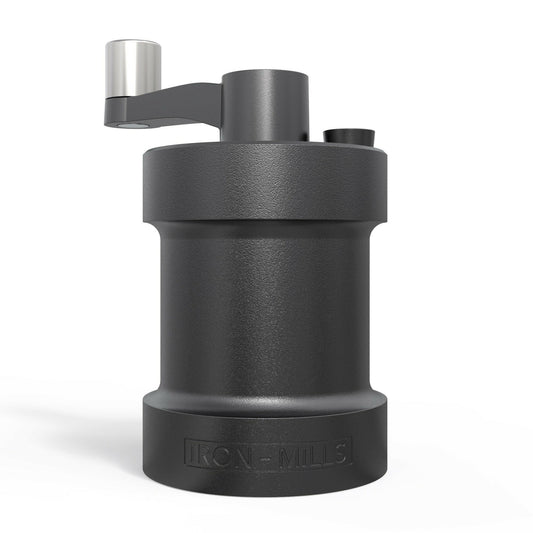
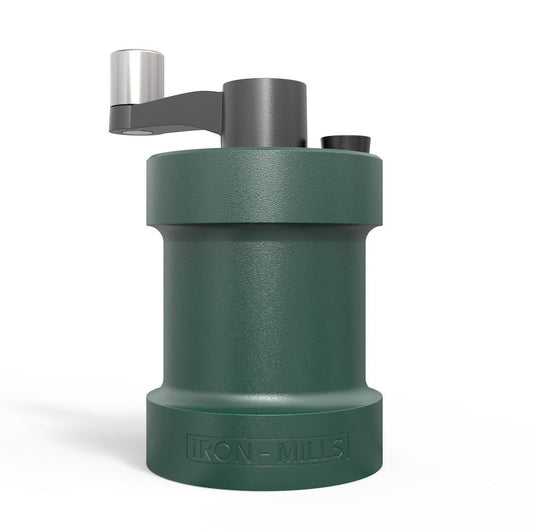
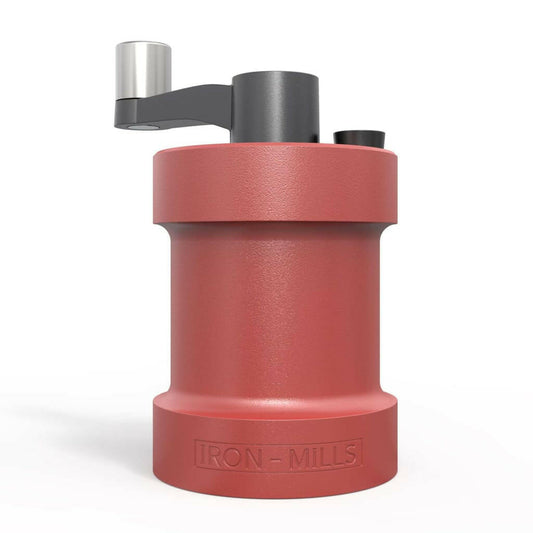
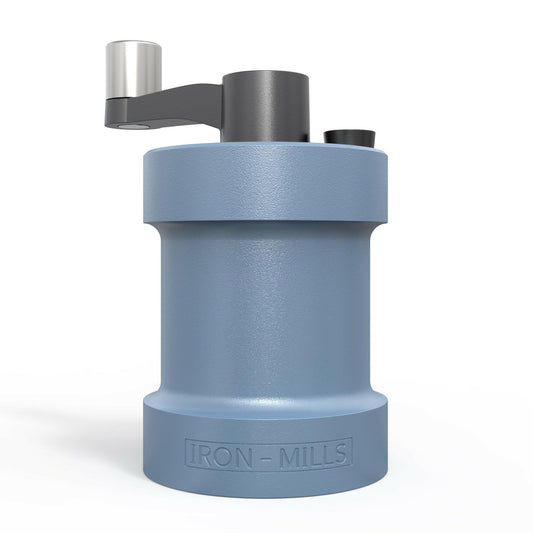
A British-built mill with a long warranty, such as those produced by Iron-Mills, speaks directly to that sort of buyer. It offers something many shoppers are actively looking for now: fewer replacements, better materials and proper confidence in what they are buying.
Common mistakes when buying a salt mill
One of the most common mistakes is choosing based on looks alone. A sleek finish and low price can be tempting, but if the mechanism is weak, the appeal fades quickly.
Another is ignoring the type of salt you actually use. Some mills are fine with smaller, dry crystals but become unreliable with chunkier sea salt. If coarse crystals are your preference, buy for that use from the start.
It is also worth checking adjustment claims carefully. Some mills advertise multiple grind settings, but in practice the difference is slight or the setting slips over time. A useful adjustment mechanism should feel deliberate and stay where you put it.
The right salt mill should feel settled, not fragile
There is a quiet satisfaction in using kitchen tools that behave properly. A good salt mill should turn smoothly, grind evenly and feel planted in the hand. No fuss, no rattling parts, no wondering how long it will last.
If you are weighing up the best salt mills for coarse crystals, focus less on novelty and more on engineering, materials and daily performance. The right mill earns its place not by making a show of itself, but by working every time you reach for it. That is what makes it worth having on the worktop for years, not months.