Is Grinder Warranty Value Worth Paying For?
A pepper mill that jams halfway through Sunday lunch is not a minor kitchen irritation. It is a reminder that many grinders are designed to be replaced, not relied upon. Grinder warranty value matters because it shows whether a maker is prepared to stand behind the mill after the sale - and whether the product is likely to earn its place on your table for years.
A long warranty is not, by itself, proof of quality. Terms matter, materials matter, and daily performance matters most. But when a well-made mill comes with meaningful cover, it changes the calculation. You are no longer simply buying a way to season supper. You are choosing a piece of kitchenware intended to stay in regular service.
What grinder warranty value really tells you
A warranty is a manufacturer's vote of confidence in its own work. Offering cover for a decade is a serious commitment when a mill will be turned, refilled, handled with greasy hands and passed around a busy table thousands of times. It suggests the maker expects the body, mechanism and assembly to cope with ordinary life.
That matters in a category crowded with lightweight mills that look smart on the shelf but soon develop faults. A loose top, a worn adjustment, a cracked acrylic body or an unreliable grinding mechanism can turn a cheap purchase into a recurring expense. The initial saving disappears each time another replacement arrives in the kitchen drawer.
The useful question is not simply, “How many years is the warranty?” Ask instead: “What does that promise say about the product?” A substantial warranty should sit alongside solid materials, considered construction and a brand with a clear identity and a reputation worth protecting. Without those things, an impressive number on the box may be little more than marketing.
Read the cover, not just the headline
Warranty wording deserves the same attention as the mill itself. Sensible cover will explain what happens if a fault develops through normal domestic use, how to make a claim, and whether repair or replacement is offered. It should be written plainly enough that you can understand it before you buy.
There will usually be boundaries. Accidental damage, misuse, cosmetic wear and damage caused by unsuitable cleaning methods may not be included. That is reasonable. No kitchen tool can be expected to survive every drop onto a stone floor or months left soaking in a sink.
What you want to avoid is vague cover that sounds generous but excludes the parts most likely to fail. If a manufacturer makes broad claims about durability, its warranty should be consistent with that claim. Look for clarity around the mechanism, moving parts and structural faults, rather than assuming every issue is automatically covered.
A warranty also works alongside your statutory consumer rights; it does not remove them. For a premium purchase, clear voluntary cover is still valuable because it tells you how the maker plans to support the product over the longer term.
Four questions worth asking before you buy
Before choosing a salt or pepper mill, check whether the warranty period is stated clearly, whether the maker explains what faults are covered, whether there is a straightforward route to make a claim, and whether care instructions are realistic for everyday use. These basics separate a proper long-term promise from a line of small print.
Materials carry more weight than packaging
A warranty can only be as credible as the product beneath it. A mill made from thin plastic and assembled with fragile fittings may still have a long guarantee, but it has not suddenly become a professional-grade kitchen tool. The material should suit the job.
Cast iron has a reassuring advantage here. It has genuine weight, a strong presence in the hand and the sort of durability associated with cookware made to be used rather than displayed. It is not trying to imitate solidity. It is solid.
That does come with a practical trade-off. Cast iron deserves basic care. Keep it dry, wipe it clean rather than soaking it, and follow the maker's guidance for refilling and cleaning. This is not fussy maintenance; it is the small amount of care that helps a substantial object remain good-looking and dependable.
The grinding mechanism deserves equal scrutiny. Consistent seasoning depends on a mechanism that can handle regular use and deliver a controlled grind, from a finer finish to a more generous crack where the dish calls for it. A handsome exterior is welcome, but not if the pepper emerges unevenly or the adjustment loses its setting.
The real cost is measured over years
Low-priced grinders encourage a false economy. Paying less at the till can feel sensible, especially when the difference between one mill and another seems modest. Yet a grinder used every day is not a once-a-year gadget. It is one of the most frequently handled tools in the kitchen.
Imagine replacing a £15 mill every year or two because it cracks, clogs or loses its grind. Over ten years, the cost can easily match or exceed that of a better mill bought once. More importantly, you have spent a decade tolerating inconsistent performance, throwing away failed products and choosing replacements again.
A premium mill costs more because it should offer more: satisfying weight, reliable operation, materials with staying power and support if something goes wrong. The value is not only financial. It is the confidence of reaching for the same dependable tool every evening, whether you are seasoning scrambled eggs or finishing a proper roast.
This does not mean the most expensive option is always the best one. If a mill will only appear at Christmas, a simpler purchase may be perfectly sensible. But for keen home cooks and households that care about the objects they use every day, long-term value is usually worth paying for.
A 10-year warranty changes the buying decision
A 10-year warranty is particularly meaningful for a kitchen mill because it covers the period when lesser grinders often reveal their weaknesses. It sets a standard: the maker expects the mill to continue doing its job long after the novelty of a new purchase has worn off.
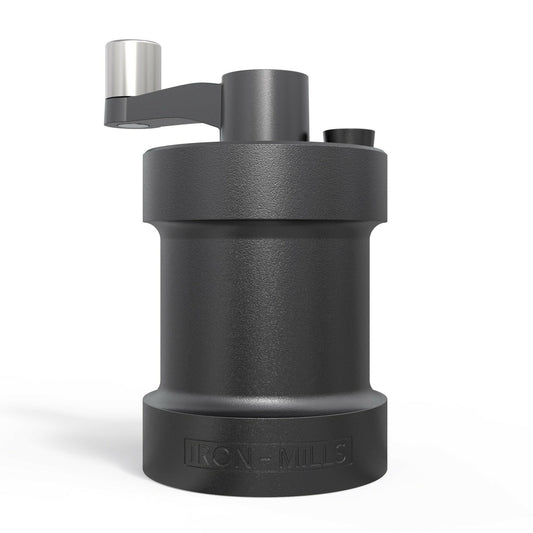
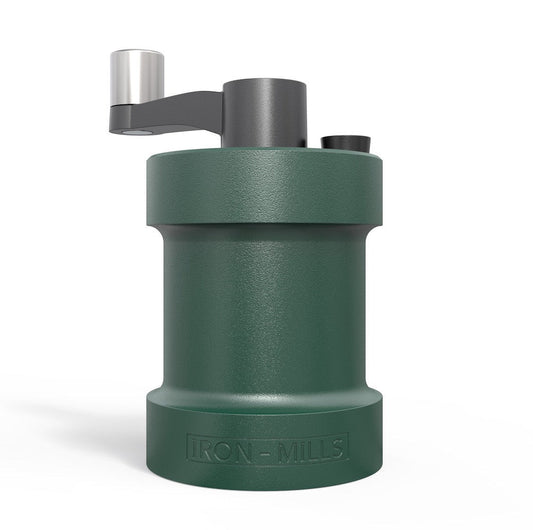
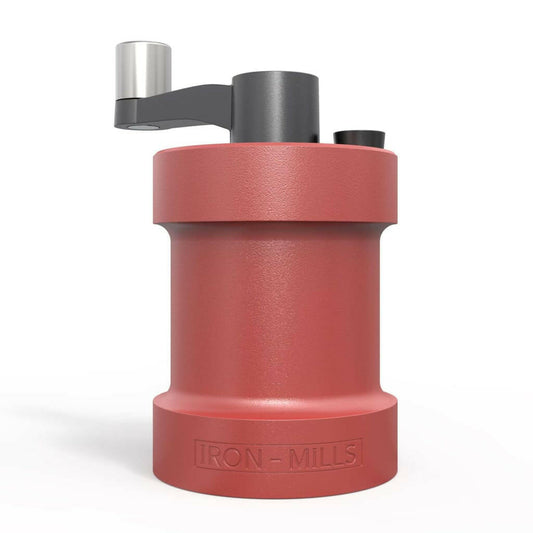
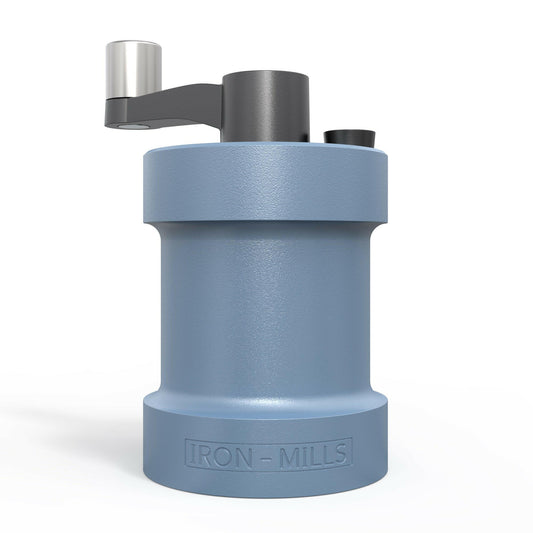
At Iron-Mills, that promise sits with the wider point of a cast iron salt or pepper mill built in Britain: dependable equipment with a material presence that suits a hardworking kitchen. The warranty is not meant to distract from the product. It is there to reinforce what the product is made to deliver.
For gift buyers, this matters too. A well-made mill is a practical present, but it should also feel lasting. Giving someone a kitchen essential backed for ten years says more than giving them another disposable accessory. It is useful from the first meal and continues to earn its place long after the wrapping has gone.
Make the warranty work for you
Keep your proof of purchase, read the care guidance and use the mill as intended. Refill it before it runs completely dry if the design recommends it, keep moisture away where appropriate, and do not force a mechanism that has become blocked. These small habits protect both performance and your ability to describe a fault clearly should you ever need support.
Then use the mill without hesitation. A warranty has its greatest value when it lets you buy with confidence, not when it leaves a product sitting untouched for fear of wear. The right grinder should be on the table, in the hand and part of the meals you make most often - exactly where lasting kitchenware belongs.