How to Choose a Daily Use Kitchen Grinder
A pepper mill that jams halfway through supper is not a minor inconvenience. It is the predictable result of buying a daily use kitchen grinder made to look the part rather than do the work. The grinder beside the hob gets handled with wet hands, passed around the table, knocked against pans and used every day. It needs to be properly made.
For cooks who care about flavour, seasoning is not an afterthought. Freshly ground pepper has warmth and aroma that pre-ground pepper cannot match, while salt needs to fall evenly rather than arrive in a stubborn clump. A good mill gives you control at the exact moment it matters. That is why choosing one should come down to performance, materials and staying power - not a bargain price or a fashionable finish.
What a Daily Use Kitchen Grinder Must Do
A kitchen grinder earns its place by doing a few jobs exceptionally well. It should grind smoothly, give a consistent result, feel secure in the hand and withstand repeated use without loosening, rusting or losing its bite. If it cannot manage those basics, it will soon become another drawer-bound regret.
The first test is the grind itself. Pepper should be cut or crushed cleanly, releasing its oils and fragrance, rather than merely broken into an uneven mix of dust and large shards. Salt should dispense reliably without the mechanism clogging. Whether you are seasoning a poached egg, finishing a roast or serving a bowl of pasta, consistency makes a noticeable difference.
Then there is control. Fine seasoning suits sauces, dressings and delicate dishes; a coarser grind brings texture to steaks, salads and roasted vegetables. Not every cook needs endless adjustment settings, but a dependable mechanism should give a clear, usable range rather than one vague middle ground.
Start With the Material, Not the Marketing
Many mills fail because their outer shell and internal parts were never designed for years of real kitchen work. Lightweight plastic can crack, feel unstable and quickly look tired. Thin metal bodies may dent or lose their finish. Decorative timber can be handsome, but it needs care and is not always the best choice near heat, steam and busy worktops.
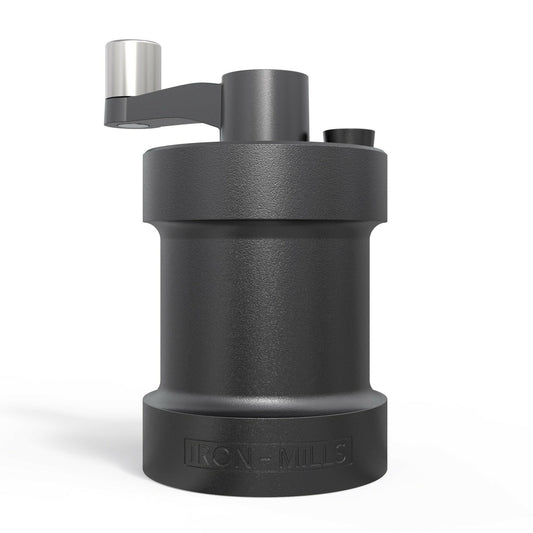
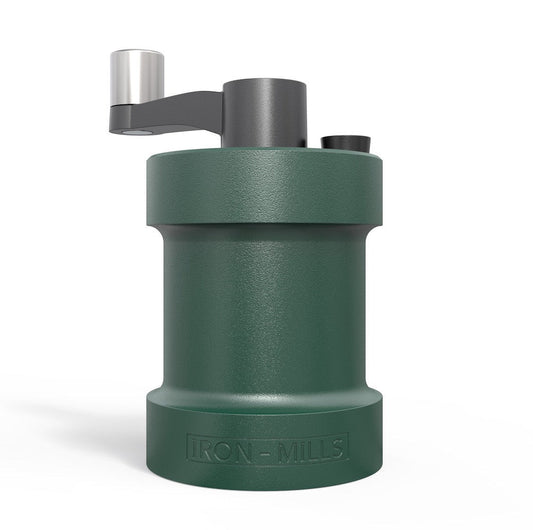
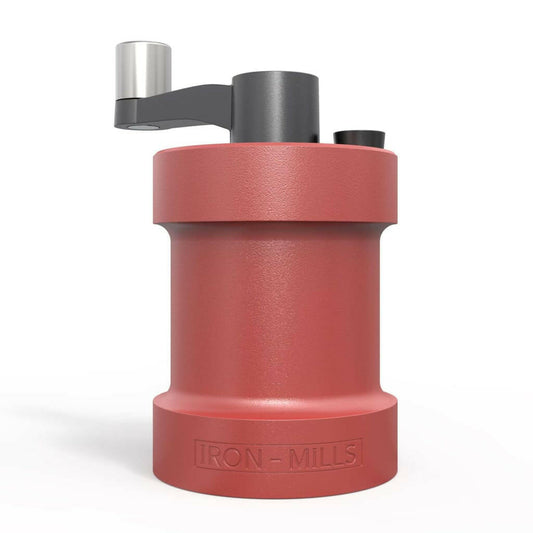
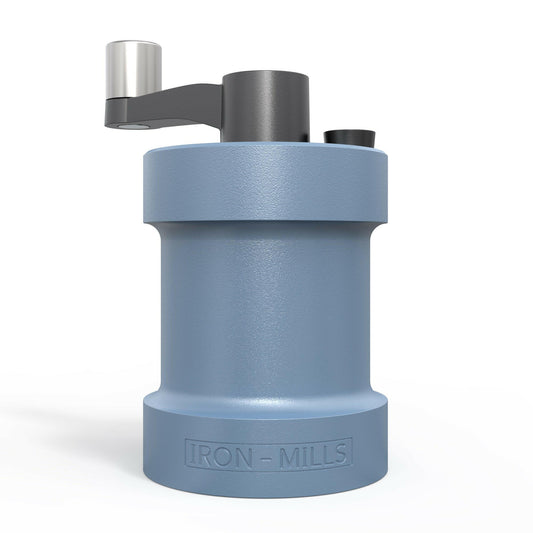
Cast iron is different. It brings welcome weight, grip and resilience. A well-made cast iron mill feels planted in the hand rather than flimsy or over-engineered. It has the material presence to cope with daily cooking and the straightforward character to suit both a modern kitchen and a more traditional table.
Weight is not just about appearance. A substantial grinder gives better purchase when you are working quickly, and its balance makes the action feel controlled. There is a sensible limit, of course: a mill should feel solid, not awkward. The right design delivers reassuring heft without becoming tiring to use.
Materials also affect how a grinder ages. A kitchen tool used every day will acquire the odd mark, especially in a lively household. Quality materials tend to wear with character; poor ones simply deteriorate. If you are choosing for the long term, buy something that can look at home after years of service, not merely on the day it arrives.
The mechanism matters most
The grinding mechanism is the working heart of the mill. It should be engineered for the seasoning it holds, because peppercorns and salt crystals behave differently. Pepper requires a mechanism able to grip and crack hard corns consistently. Salt demands corrosion resistance, as salt attracts moisture and can be unforgiving to unsuitable metal parts.
This is where cheap mills often reveal themselves. Their mechanisms may grind unevenly from the start, then slip, blunt or seize after a relatively short spell. A smooth turning action and dependable output are worth paying for because they are the part of the experience you notice at every meal.
Do not be distracted by complicated claims if the fundamental action is poor. A sturdy body with a properly specified mechanism will outperform a novelty design with extra settings and weak internals every time.
Match the Grinder to How You Cook
The best choice depends partly on where and how often you use it. A compact mill may suit a small flat, a breakfast table or a picnic hamper. A larger grinder makes sense for someone who cooks most evenings, hosts family lunches or wants fewer refills.
Think about the foods you make regularly. If pepper is central to your cooking, choose a pepper mill that can deliver a satisfying coarse grind as well as a finer finish. If you use sea salt frequently, make sure the salt mill is designed to handle it and that the opening is practical for refilling. A pair is often the most useful arrangement, provided the mills are clearly distinguishable when you are cooking at speed.
For table use, comfort and appearance carry equal weight. Guests will pick up a mill, so it should feel good in the hand and look considered without demanding special treatment. For the hob, practical handling comes first. A stable, durable mill that works cleanly when your attention is on the pan is the one you will value most.
The Details That Prevent Daily Frustration
A grinder does not need to be fussy, but a few design decisions make a great deal of difference over time. Check that the refill process is straightforward and does not require a battle with a stiff cap or tiny opening. If refilling becomes irritating, the mill will be left empty at precisely the wrong moment.
Consider where ground seasoning ends up when the mill is set down. Pepper dust on the worktop is hardly a disaster, but it is one more little annoyance that adds up. A thoughtful design should minimise mess and make ordinary cleaning simple.
Grip matters too. Smooth, narrow mills can be slippery when hands are damp or oily. A well-proportioned shape and a tactile surface offer more control, particularly when grinding over a hot pan. This is not a luxury feature. It is part of making a kitchen tool genuinely useful.
Finally, be wary of mills that require batteries or rely on electronic parts unless accessibility is your primary concern. Electric grinders can be helpful for one-handed use, but they introduce charging, batteries and additional components that may fail. For most kitchens, a well-built manual mill remains the more dependable choice.
A Better Measure of Value
The cheapest grinder is rarely the least expensive option over several years. Replacing a failed mill every year or two creates needless waste and costs more than choosing a well-made one from the outset. Value is not simply the figure on the price label; it is the number of reliable meals a tool supports.
Look for clear signals that a maker stands behind its work. A meaningful warranty matters, but so does an honest approach to materials, construction and origin. Products built with care do not need to hide behind vague descriptions. They should make a confident case for why they will last.
British-made kitchenware has particular appeal when the claim is backed by substantial construction and long-term support. Iron-Mills takes that approach with cast iron mills built in Britain for cooks tired of replacing lightweight grinders that never quite perform as they should.
Care That Keeps Your Grinder Working
Even a hard-working mill benefits from basic care. Keep the outside dry, particularly after wiping down the worktop, and avoid putting it through the dishwasher unless the maker specifically says it is suitable. Moisture is the enemy of salt and can affect both seasoning and mechanisms.
Refill before the mill is completely empty if possible, as this helps keep the action consistent and avoids the temptation to force a reluctant mechanism. Use dry peppercorns and dry salt crystals, and store the mill away from direct splashes and heavy steam. These are small habits, but they protect the tool you rely on most often.
A daily use kitchen grinder should not be something you think about because it has failed. It should simply be there, solid in the hand and ready whenever a meal needs finishing properly. Choose one with the weight, mechanism and integrity to earn that quiet place in your kitchen.