British Kitchenware Review: What Really Lasts?
A proper British kitchenware review should start where real cooking starts: with the tools you reach for when supper is already on the hob, guests are nearly through the door, and there is no time for a grinder that jams, a pan handle that loosens or a utensil that feels flimsy in the hand. Good kitchenware earns its place through daily use. It should work properly, feel substantial and continue doing both years after the receipt has disappeared.
The British kitchenware market is full of smart-looking products at every price point. That makes it easy to confuse appearance with quality. A polished finish, fashionable colour or weighty box can make an item feel premium at first glance. But the best pieces prove themselves more quietly: in the material, the joinery, the mechanism and the way they stand up to repeated use.
What separates lasting kitchenware from throwaway tools?
Price alone is not a reliable measure. Plenty of expensive kitchen products are built around novelty rather than longevity, while a well-made, straightforward tool can serve a household for decades. The difference is usually found in three places: honest materials, sound construction and repairable or maintainable parts.
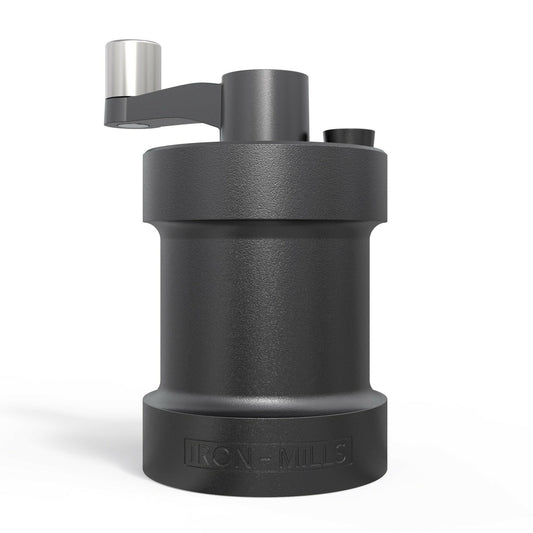
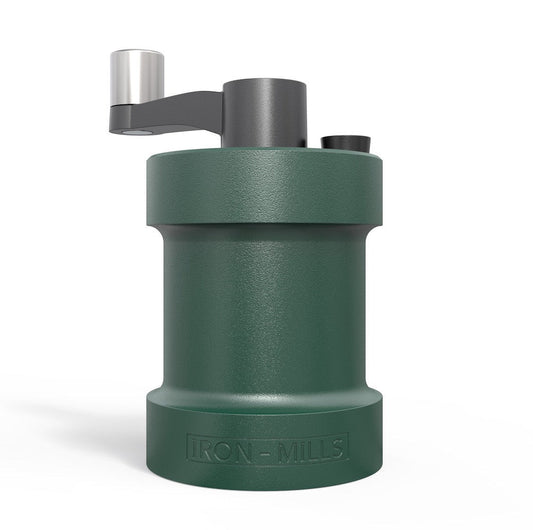
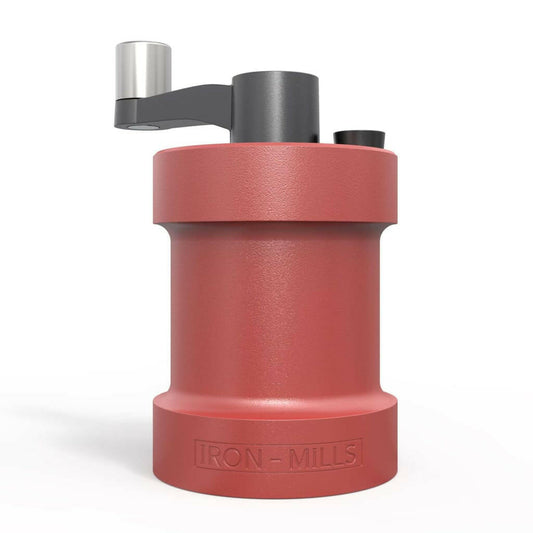
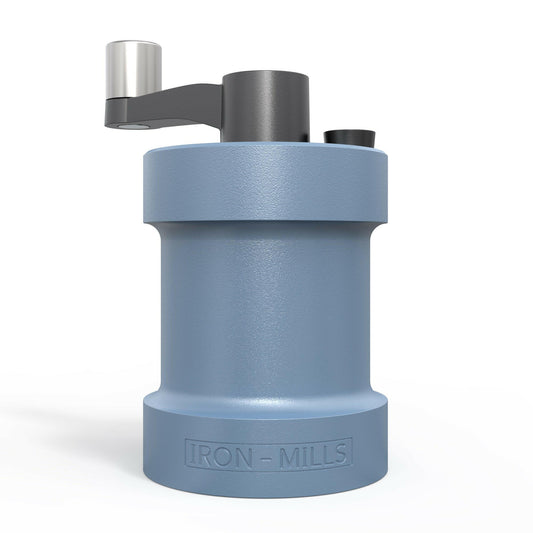
Material comes first because it determines how an item performs under heat, pressure, moisture and regular handling. Cast iron, stainless steel, solid wood and properly made ceramic each have a clear purpose in the kitchen. They are not interchangeable, and no one material is right for everything. A cast iron mill, for example, brings reassuring weight and exceptional durability to the table, whereas a lightweight plastic body is more likely to crack, flex or become tired-looking with use.
Construction matters just as much. Look at how a handle meets a pan, how a lid sits, whether a grinder mechanism is housed securely, and whether the working parts feel loose before the product has even left the shop. Kitchenware does not need unnecessary decoration. It does need secure fixings, clean finishing and components designed to cope with repetition.
Then there is maintainability. The best tools are not necessarily maintenance-free. Wooden boards need oiling, cast iron needs sensible care and grinding mechanisms need occasional cleaning. That small amount of attention is worthwhile when the product is made to reward it. What is less acceptable is a sealed item that cannot be cleaned, adjusted or repaired and is destined for the bin at the first fault.
British kitchenware review: the checks worth making
Before buying, move beyond the product photograph. Read the specifications and ask direct questions. Where was it made? What is it made from? Is the stated material used throughout the product or only as a surface finish? Does the manufacturer stand behind it with a meaningful warranty?
British-built credentials can be a useful sign of traceability, but they should not be treated as a shortcut to quality on their own. The important point is whether the maker is clear about its process and accountable for the result. A business that is proud to state where its products are built, what they are made from and how long they are covered for gives you more to work with than one relying on vague claims about luxury or heritage.
A strong warranty is particularly telling for moving kitchen tools. Mills, peelers, mixers, can openers and other mechanical items face more stress than a simple serving bowl. A ten-year warranty says far more than a disposable grinder's glossy packaging ever can, provided the product itself has the build quality to support that promise.
Weight is another useful clue, although it needs context. A heavy roasting dish may retain heat beautifully but be awkward for someone with limited grip strength. A solid salt or pepper mill can feel balanced and dependable, but it should still be comfortable to use one-handed at the table. Quality is not about making everything heavier. It is about using enough of the right material in the right places.
Performance in the everyday kitchen
The real test is not whether kitchenware looks good on an open shelf. It is whether it makes cooking easier on a busy Wednesday evening.
Take seasoning mills. A good mill should produce a consistent grind without requiring excessive force. It should feel stable in the hand, refill without fuss and keep its mechanism protected from steam and cooking residue. Uneven output, a loose top or a grinder that sheds flakes of pepper only when it feels like it are not small irritations. They are signs that a basic kitchen job has been poorly engineered.
The same principle applies across the cupboard. A saucepan should heat predictably and pour cleanly. A knife should remain balanced through repeated sharpening. A chopping board should sit firmly on the worktop rather than skating about while you prepare vegetables. These details affect confidence in the kitchen. When tools behave as they should, you can focus on the food.
This is where premium kitchenware justifies its cost. It is not about filling a kitchen with status objects. It is about reducing the small frustrations that cheap equipment creates: replacing another broken grinder, fighting a blunt peeler or wondering why a supposedly non-stick pan has failed after a year. Buying fewer, better things often costs less over time, even when the initial outlay is higher.
Design should support the job
A British kitchen can be practical and handsome at the same time. The strongest designs do not choose between the two. They bring purposeful materials, clear proportions and a finish that suits daily use rather than hiding from it.
There is a particular appeal to kitchenware that develops a little character. Properly cared-for cast iron, wood and metal can gain marks from use without looking worn out. That is different from a cheap coating peeling away or a plastic surface becoming permanently cloudy. One tells the story of a useful object; the other tells you it was not built for the job.
Consider how an item will live in your home. Will it be kept on the table, beside the cooker or tucked in a drawer? Is it easy to wipe down? Does it look good enough to bring out when friends come round? A substantial cast iron mill can do all of this. It performs as a professional-grade seasoning tool, while adding a material presence that lighter, disposable alternatives simply cannot match.
Iron-Mills takes this approach seriously, producing cast iron salt and pepper mills built in Britain for people who are tired of replacing kitchen basics that ought to last. The point is not excess. It is a proper tool, made from a proper material, with the reassurance of a long warranty behind it.
When paying more makes sense
Premium is worthwhile when it buys better performance, a longer working life and a manufacturer prepared to stand behind its product. It is less worthwhile when the extra cost only pays for a fashionable label, a limited-edition colour or features you will never use.
Start with the tools that are used constantly. Mills, knives, cookware, boards and preparation utensils are sensible places to invest because their quality is felt every day. Less frequently used items can be chosen more selectively. There is no need to turn every drawer into a collection of professional equipment.
For gifts, durability matters even more. A well-made kitchen piece feels considered because it does not assume the recipient needs another novelty item. It gives them something useful, attractive and made to remain part of their routine. Choose a material and finish that suit their kitchen, but do not be afraid of a little weight and substance. Those qualities are often exactly what make a gift memorable.
A better standard for the kitchen
The most satisfying kitchenware does not demand attention. It simply works, meal after meal, year after year. Look for honest materials, dependable construction, practical design and a warranty that means something. That is the standard worth bringing into your kitchen - not more stuff, but better tools that are ready for the long haul.