How Cast Iron Grinders Last So Long
A pepper mill usually gives away its quality in the hand. If it feels light, rattly or vaguely flimsy, the same story tends to follow at the table - uneven grinding, worn parts and another replacement before long. That is exactly why people ask how cast iron grinders last. The short answer is simple: they are made for proper use, not quick turnover.
Cast iron has a reputation for staying power because it earns it. In kitchenware, material choice is never a cosmetic detail. It affects how a mill feels, how it performs under pressure, and whether it can cope with daily use year after year. A well-made cast iron grinder is not trying to be the cheapest thing on the shelf. It is built to be the one you still trust long after cheaper mills have cracked, jammed or lost their bite.
Why cast iron grinders last
Durability starts with structure. Cast iron is dense, solid and naturally resistant to the sort of flex that weakens lighter materials over time. When a grinder body twists under pressure, internal parts shift, wear accelerates and consistency goes out the window. A cast iron body stays stable, which matters more than many shoppers realise.
That stability has a knock-on effect. Grinding salt, peppercorns or harder seasonings places repeated force through the mechanism and housing. If the body is thin plastic, soft alloy or poorly fitted wood, that strain can loosen joints and shorten the life of the mill. Cast iron takes that daily punishment in its stride. It does not feel apologetic about the job. It feels made for it.
There is also the question of surface wear. Kitchen tools live in a demanding environment - steam, cooking oils, damp hands, knocks on the worktop and constant handling. Cast iron, when properly finished and maintained, stands up to this far better than many lightweight alternatives. It develops character without surrendering function.
The material is only half the story
It would be easy to say cast iron alone guarantees longevity, but that would be too neat. Plenty depends on how the grinder is designed and assembled. A strong exterior with poor internal engineering is still a poor mill.
What makes the difference is the combination of a solid outer body and a mechanism worthy of it. The best mills are designed so every part works with the material rather than against it. Tight tolerances, dependable grinding components and a handle or turning system that does not strain the frame all contribute to a longer service life.
This is where premium mills separate themselves from the throwaway end of the market. Cheap grinders are often built to hit a price point first and perform well second. You can usually feel it straight away. Loose fittings, uncertain movement and lightweight parts are warning signs. A cast iron grinder made properly feels settled and precise, as though each turn has been considered.
How cast iron grinders last in everyday kitchens
Longevity matters most in ordinary use, not in a showroom. A grinder should cope with hurried weeknight cooking, long Sunday lunches and the occasional overenthusiastic dinner guest without complaint. That is where cast iron earns its keep.
A good mill has to do the same task repeatedly without slipping in quality. It should crush cleanly, deliver a reliable grind and remain comfortable to use. Cast iron helps because its weight provides control. There is a steadiness to it that lighter mills often lack. Rather than skittering about in the hand, it stays put and gets on with the job.
That extra heft is not for everyone. If someone wants an ultra-light mill for occasional use, cast iron may feel more substantial than necessary. But for cooks who season food every day and want a tool with a proper presence, that weight is part of the appeal. It signals durability and usually supports better balance in use.
There is also less of the planned obsolescence feel about it. Many modern kitchen tools are made to be replaced quietly and often. A cast iron grinder belongs to an older and better idea - buy once, use well, expect years from it.
The wear points that ruin cheaper mills
Most grinders do not fail dramatically. They wear out in dull, frustrating ways. The grind becomes inconsistent. The mechanism sticks. The adjustment slips. The body loosens. Eventually, using it becomes more effort than it is worth.
These problems often begin at the stress points. Threads strip, housings flex, internal parts rub unevenly and weak finishes start to look tired long before the grinder should be nearing the end of its life. Once alignment goes, performance follows.
Cast iron reduces some of those risks because the body is less likely to warp or crack under normal kitchen use. That does not make it indestructible, and no honest brand should pretend otherwise. Drop any heavy mill onto a hard tiled floor in just the wrong way and damage is possible. But in ordinary, repeated use, cast iron is far better equipped for the long haul than the lightweight materials commonly used in cheaper grinders.
Care matters, but not in a fussy way
One reason quality buyers lean towards cast iron is that it rewards sensible care rather than delicate handling. You do not need a ritual. You need a bit of respect for the material.
Keep the grinder dry, particularly if it is used for salt. Wipe it with a soft cloth rather than soaking it. Store it away from obvious damp. Use the correct seasonings for the mechanism it was designed to handle. That is mostly common sense, yet it makes a real difference to lifespan.
Neglect can shorten the life of any mill, however well made. Salt residue left sitting, moisture creeping into moving parts, or forcing oversized spices through the mechanism will all create unnecessary wear. The point is not that cast iron is high maintenance. Quite the opposite. It is durable enough that simple, regular care usually goes a long way.
Craftsmanship still counts
If you want to understand how cast iron grinders last, look beyond the material and towards workmanship. Casting, finishing, fitting and quality control all matter. A sturdy material badly handled in production can still result in rough edges, poor alignment or weak performance.
That is why manufacturing standards carry weight. There is value in products made with accountability rather than churned out to meet the lowest possible cost. British-made kitchenware, done properly, still means something because it speaks to consistency, traceability and pride in the finished article. For shoppers who are tired of buying replacements, that matters.
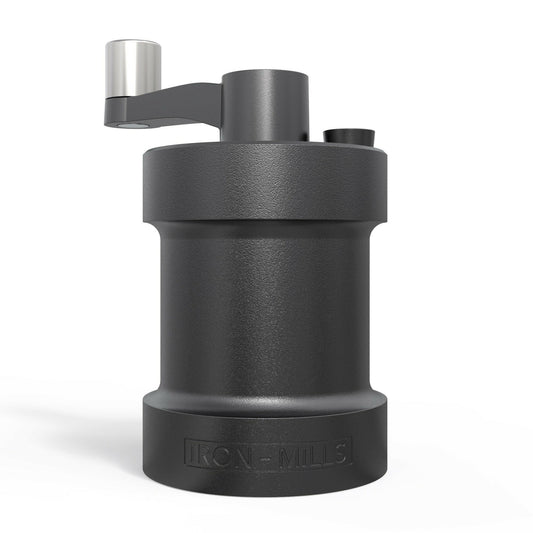
Iron-Mills is built around that principle. Not flashy promises, just well-made mills designed for everyday use and backed with the sort of confidence that only makes sense when the product is made to last.
Are cast iron grinders always the best choice?
For many buyers, yes. For every buyer, not necessarily. It depends on what matters most in your kitchen.
If your priority is durability, a solid feel and long-term value, cast iron is hard to beat. If you want the lightest possible grinder or something mainly decorative, another material might suit you better. Some people also prefer a mill with a warmer timber finish for a particular kitchen look. That is a style choice rather than a performance argument.
The key point is that cast iron tends to appeal to people who are done with compromise. They do not want to keep replacing cracked acrylic bodies or struggling with grinders that work properly for six months and then fade. They want something dependable. Something that feels like a proper tool rather than a temporary fix.
What lasting value really looks like
The price conversation often misses the point. A cheaper grinder can look like a saving until it fails, performs badly or needs replacing twice over. A premium cast iron mill asks more upfront because it offers more over time - better build, better feel, more reliable grinding and fewer frustrations.
That value is practical as much as financial. It is the difference between seasoning a pan quickly and evenly, or wrestling with a sticky mechanism while dinner cools. It is the confidence of reaching for a mill that works the same way today as it did months ago. That sort of reliability is easy to underestimate until you have lived without it.
People who buy for longevity are rarely chasing novelty. They are choosing fewer, better things. A cast iron grinder fits that mindset perfectly because it is built around use, not disposal.
A good kitchen does not need more clutter. It needs tools with staying power, the sort you can rely on without a second thought. That is how cast iron grinders last - by being made with enough substance, precision and honesty to keep earning their place every day.