Which Salt Is Best for Grinders?
A good mill can turn a simple supper into something properly finished. A bad one clogs, crunches, sheds dust on the table and makes seasoning feel like hard work. If you are wondering which salt is best for grinders, the short answer is this: dry, hard, coarse salt crystals are the right choice, and soft, damp or heavily processed salts are not.
That sounds simple enough, but salt is not all the same once it goes into a grinder. Crystal size, moisture level and mineral content all affect how well it moves through the mechanism. Choose the wrong sort and even a well-made mill will struggle. Choose the right one and you get a steady grind, better control and less waste.
Which salt is best for grinders in everyday cooking?
For most home cooks, coarse sea salt is the safest and most practical answer. It is dry enough to flow, hard enough to crush cleanly, and widely available in crystal sizes that suit quality mills. It also gives you flexibility. A fine grind for finishing vegetables, a slightly coarser grind for steaks, and consistent seasoning while cooking.
Coarse rock salt can also work well, provided the crystals are clean, dry and not oversized. Some people prefer it because it is firm and dependable in a grinder. The catch is that rock salt varies more from one brand to another. If the crystals are too large or irregular, they can jam the mechanism or produce an uneven grind.
What matters most is not whether the packet says sea salt or rock salt. It is whether the salt is dry, coarse and suitable for a mill. Those three points matter far more than fashionable labels.
Why some salts perform better than others
A grinder relies on friction and pressure. The mechanism needs crystals with enough structure to break cleanly, but not so much size or dampness that they bridge together and stop moving. That is why flaky table salt alternatives and wet gourmet salts often disappoint in mills.
Moisture is the main culprit. Salt naturally attracts water from the air, and some salts arrive with more moisture to begin with. If the crystals are damp, they clump. Once that happens, the mill has to work harder, and the grind becomes erratic. In a kitchen where steam and humidity are part of daily life, that problem only gets worse.
The second issue is shape. Even if a salt is coarse, very uneven crystals can feed badly through the mechanism. A more regular crystal tends to grind more consistently. That does not mean every crystal must be identical, but a fairly even grain usually gives a better result.
The best types of salt to put in a grinder
Coarse sea salt is the dependable all-rounder. It suits everyday cooking, stores well and works reliably in most proper mills. If you want one salt for the hob, the table and weekend roasts, this is usually the sensible choice.
Coarse rock salt is another strong option. It can be especially good in robust mills built for regular use. The texture is often firm, and the flavour is clean. Just check the crystal size before filling the mill. If it looks more like pebbles than crystals, it is likely too large.
Himalayan pink salt is commonly used in grinders too, and it can work perfectly well if sold in a suitable coarse grade. People often choose it for appearance as much as flavour. There is nothing wrong with that, but it is worth being clear-eyed about it. In a grinder, the priority is still dryness and crystal size, not colour.
If you buy speciality salts, read the packet. Anything labelled suitable for salt mills gives you a better starting point than a decorative or finishing salt with no mention of grinder use.
Salts that are best kept out of your mill
Flaky sea salt is excellent between finger and thumb, but rarely ideal in a grinder. The flakes are light, soft and prone to crushing awkwardly rather than grinding cleanly. You lose the very texture that makes flake salt useful in the first place.
Wet sea salts are another poor fit. Their character comes from retained moisture and minerals, which can be lovely in cooking but troublesome in a mill. Damp crystals clump, and clumped salt is hard on the mechanism.
Standard table salt is usually too fine for a grinder. It may pass through too quickly, offer little control and in some cases leak where a coarser salt would stay put. Table salt often contains anti-caking agents as well, which are useful in a shaker but not the point of a mill.
Very large decorative crystals should also be approached with caution. If they do not feed smoothly, they are not doing your grinder any favours.
Does the type of grinder change which salt is best?
Yes, to a degree. A sturdy, well-engineered mill will cope with a broader range of suitable salts than a flimsy one with a weak mechanism. That does not mean any salt will do. It means a better mill is less likely to fail when used properly.
Cheap grinders tend to expose every weakness in the salt. Slight dampness becomes clogging. Slightly uneven crystals become inconsistent grinding. Plastic parts wear faster, and the whole thing starts to feel disposable. That is why people often blame the salt when the real problem is a poor grinder.
A durable mill with a solid grinding mechanism gives you better odds from the start. It handles coarse salt properly, maintains a steadier grind and stands up to daily use. That matters if you cook often and want seasoning to be one less thing to fuss over.
How to choose the right crystal size
Coarse means coarse enough for the grinder to grip, but not so large that the crystals wedge inside it. That middle ground is what you want. If the salt looks only slightly larger than table salt, it may be too fine. If it looks like aquarium gravel, it may be too large.
Most salts sold specifically for mills are in the right range. If you are buying in person, a quick look through the packet helps. Aim for crystals that are visible and firm, but still reasonably uniform.
If your mill has an adjustable grind setting, starting with a standard coarse salt gives you more control. The mechanism can then do its job properly, instead of compensating for awkward crystal size.
Storage matters more than people think
Even the best salt for grinders can become the wrong salt if it is stored badly. Leave it open near steam, and it will absorb moisture. Keep refilling from a damp packet, and the problem follows the salt straight into the mill.
Store spare salt in an airtight container somewhere dry. Refill the grinder with clean, dry hands or a dry spoon. Avoid keeping it right beside the cooker if your kitchen gets steamy. These are small habits, but they make a real difference.
If a mill starts to feel stiff, do not force it. Check the salt first. Damp crystals are often the cause, not the mechanism itself.
Is expensive salt worth it in a grinder?
Sometimes, but not always. A pricier salt may offer a particular appearance, provenance or subtle mineral note. That can be worthwhile if it matters to you. But for grinding performance alone, expensive does not automatically mean better.
In many kitchens, a good coarse sea salt outperforms a more fashionable salt simply because it is drier and more consistent. There is a lesson in that. Reliable ingredients and reliable tools usually beat novelty.
If you enjoy premium salts, save the delicate flaky or moist varieties for finishing by hand, where their character actually comes through. Put a practical coarse salt in the grinder, and let each salt do the job it suits best.
The straightforward answer to which salt is best for grinders
If you want the least hassle and the most dependable result, choose a dry coarse sea salt labelled for mills. That is the practical answer for most homes. Coarse rock salt and suitable Himalayan pink salt can also work well, but the crystals must be dry and sensibly sized.
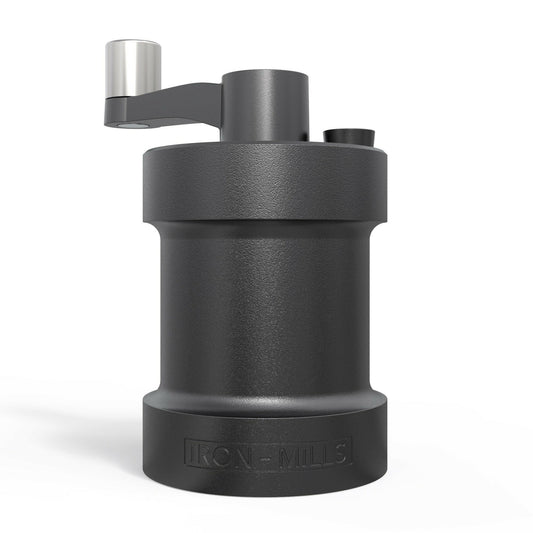
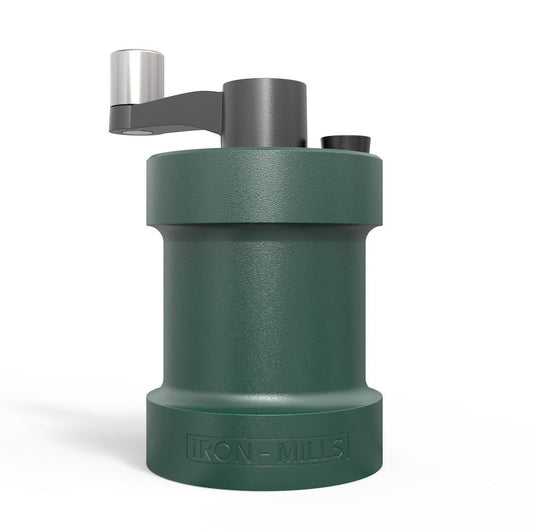
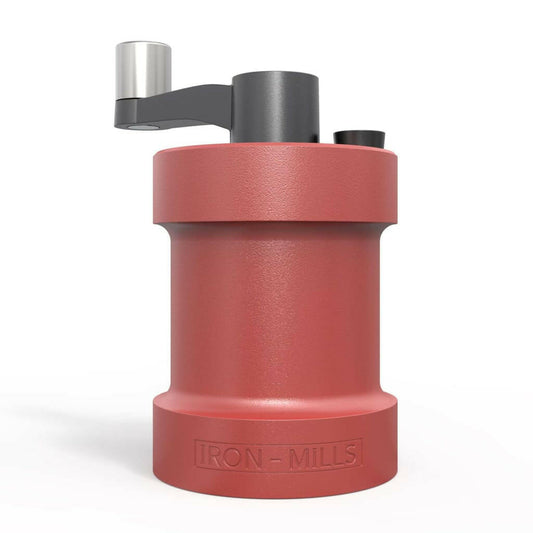
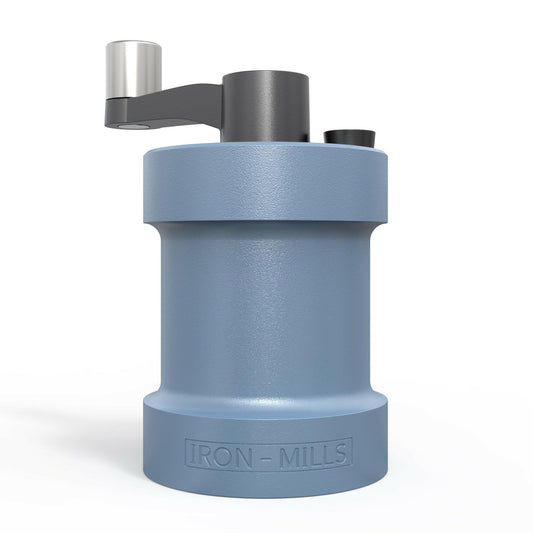
The real trick is pairing proper salt with a proper mill. Strong materials, a reliable mechanism and the right crystal size make seasoning easier every single day. That is exactly why quality kitchenware earns its place. Iron-Mills is built around that same principle - no gimmicks, no throwaway design, just solid performance you can trust.
A grinder should make cooking feel sharper, not slower. Pick a dry coarse salt, keep it away from moisture, and your mill will reward you with the sort of steady, clean grind that makes everyday seasoning feel properly sorted.