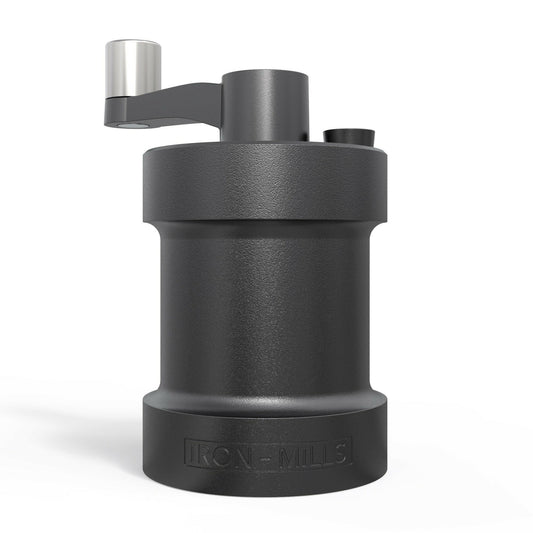
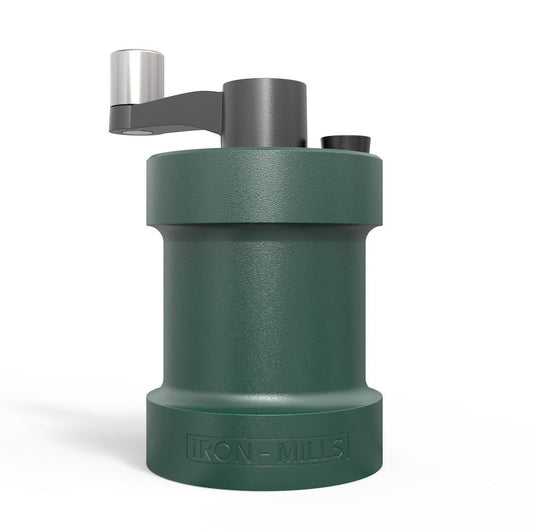
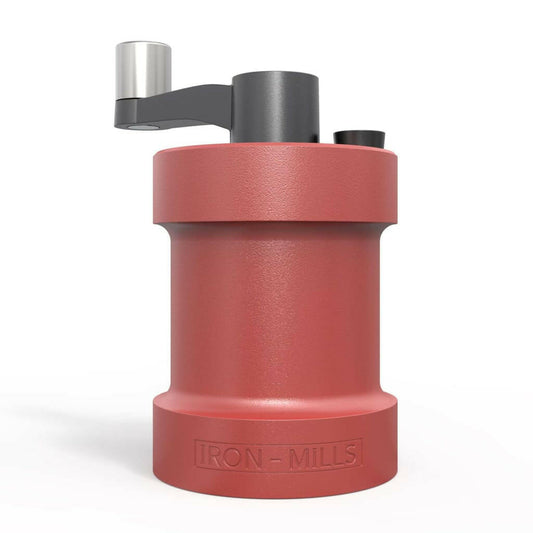
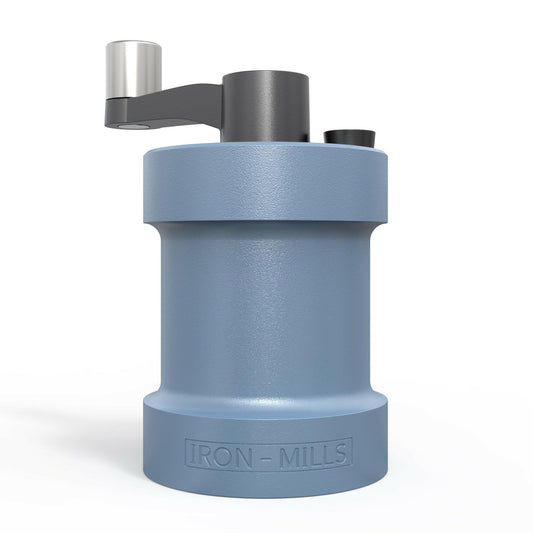
Choosing a Pepper Mill for Black Peppercorns
A weak grinder gives itself away at the worst possible moment - halfway through finishing a steak, dressing a tomato salad, or seasoning a pan sauce that needs a proper hit of pepper. If you are looking for a pepper mill for black peppercorns, the real question is not simply what looks good on the worktop. It is what will give you a consistent grind, feel solid in the hand, and keep doing the job year after year.
Black peppercorns are small, hard, and surprisingly demanding on a grinder. Cheap acrylic bodies, vague adjustment knobs and flimsy internal parts may cope for a while, but they rarely stay precise. That is why choosing the right mill matters. A proper pepper mill is not a decorative extra. It is a working kitchen tool.
Why a pepper mill for black peppercorns matters
Pre-ground pepper loses its character quickly. The sharp, piney, warm notes that make black pepper so useful in everyday cooking begin to fade as soon as it is ground. Freshly milled pepper has more lift, more bite and more depth, whether you are cracking it over eggs or building flavour into a casserole.
That flavour only comes through properly if the mill can grind evenly. A poor grinder tends to crush inconsistently, producing dust and oversized chunks in the same turn. The result is muddled seasoning. Some bites taste harsh, others flat. A good mill gives you control, and control is what separates decent cooking from food that tastes properly finished.
There is also the matter of effort. Black peppercorns are hard enough that a badly made grinder soon becomes irritating. You find yourself twisting harder, getting less output, and wondering why something so simple feels like a chore. In a busy kitchen, that sort of kit does not earn its place.
What to look for in a pepper mill for black peppercorns
The grinding mechanism should be the first thing you judge. If the mechanism is poor, the rest is window dressing. For black peppercorns, you want a mill that is designed to crack and grind with consistency rather than smash at random. A reliable mechanism should let you move between finer and coarser settings without losing control of the result.
Material matters more than many people expect. Lightweight grinders often feel acceptable when new, but they can quickly develop wobble, wear or cracking around the moving parts. A sturdier construction gives the mill stability, and that stability helps with both comfort and precision. When a mill has real weight and balance, it feels planted rather than fussy.
Capacity is worth considering too. If you cook often, a tiny mill becomes a nuisance because it needs constant refilling. On the other hand, an oversized mill can feel awkward if you mainly season at the table. It depends on how you use it. Home cooks who reach for pepper every day usually appreciate a mill with enough room to spare them regular topping up.
Adjustment should be straightforward. If changing the grind size involves guesswork, or if the setting drifts during use, the mill is not doing its job properly. Fine pepper has its place in sauces, soups and eggs. A coarser grind suits steaks, salads and roasted vegetables. A useful mill should handle both without fuss.
The trade-off between looks and performance
Plenty of pepper mills are sold on appearance alone. Sleek finishes, novelty shapes and polished surfaces can all be appealing, especially if the mill is going to live on the dining table. But appearance should follow function, not replace it.
That does not mean a good mill has to look industrial or clumsy. It means the design should support the way the mill works. A shape that gives you a secure grip is better than one that slips. A solid body that protects the mechanism is better than a fragile shell dressed up as a design feature. Good kitchenware should look right because it is built right.
For many buyers, especially when choosing a gift, this is where quality stands out. A mill with proper materials and honest construction feels different from the first turn. It has presence. It does not need gimmicks to justify itself.
Why cheap grinders fail so often
The problem with low-cost grinders is rarely visible on the shelf. They often look tidy enough when boxed, and some even work reasonably well for a short period. The trouble starts with repeated use. Internal parts wear down, the grind becomes uneven, the top loosens, or the body begins to feel brittle.
Black peppercorns are unforgiving on weak mechanisms. They expose poor engineering quickly. If a grinder is made to hit a price point rather than hold up in daily use, the decline is usually swift. That is why replacing bargain mills every year or two becomes such a familiar routine.
In practice, buying cheap can be the expensive option. You pay repeatedly, put up with inconsistent performance, and never quite get the result you want from your seasoning. A better-made mill costs more at the start, but it earns that cost back in reliability.
Cast iron, weight and long-term use
A heavier mill is not automatically a better one, but weight often tells you something useful about material quality. In the case of cast iron, it signals strength, durability and a proper sense of permanence. That matters in a tool designed for repeated force and constant handling.
Cast iron also suits the no-nonsense demands of a working kitchen. It feels secure in the hand and less vulnerable to the knocks and scrapes of daily use. For buyers tired of disposable kitchenware, that makes a real difference. You are not buying a mill to get through one season of cooking. You are buying one to become part of the routine.
This is where British-built kitchenware still carries weight of its own. There is reassurance in a product built with a clear standard behind it, especially when backed by a proper warranty. Iron-Mills leans into that for good reason. In this category, trust is not built through clever wording. It is built through materials, workmanship and a product that keeps performing long after cheaper options have given up.
Matching the mill to the way you cook
If you mostly cook simple weekday meals, you still need a dependable grinder. Pepper goes into far more dishes than people realise - scrambled eggs, roast chicken, pasta sauces, soups, salad dressings, grilled mushrooms. A mill that delivers a quick, even grind makes everyday cooking easier rather than more fiddly.
If you enjoy finishing dishes at the table, the feel of the mill becomes even more important. It should turn smoothly, dispense cleanly, and look suitably substantial in front of guests. That is not about showing off. It is about using tools that reflect the care you put into food.
Gift buyers should think along the same lines. A pepper mill is one of those kitchen items people often tolerate rather than properly choose for themselves. That makes a well-made one a strong gift - practical, long-lasting and likely to be used every week. It suits weddings, housewarmings and Christmas because it has purpose, not just shelf appeal.
Common mistakes when buying a pepper mill
One mistake is assuming all grinders do roughly the same job. They do not. The gap between a flimsy mill and a well-engineered one is obvious in daily use. Another is focusing too heavily on appearance and not enough on the grinding mechanism or overall build.
It is also easy to buy without thinking about maintenance. Refilling should be simple. The mill should feel like something you can live with, not something that becomes awkward after the novelty wears off. And while very compact mills may seem convenient, they can be frustrating if you cook often and need repeated output.
There is a balance to strike. The best choice is not always the most decorative or the cheapest, but the one that suits your cooking habits and stands up to them.
A good pepper mill should feel settled from day one
There is a particular satisfaction in using kitchen tools that do exactly what they should. No slipping, no struggle, no gradual decline after a few months. Just a clean grind, reliable performance and the quiet confidence that you will not need to replace it any time soon.
That is what a proper pepper mill for black peppercorns ought to offer. Not novelty. Not compromise. Just honest performance from a tool built to last, so every turn adds something worth tasting.