How to Choose a Salt Mill That Lasts
A salt mill usually reveals its quality the first time you use it. If it feels flimsy in the hand, sheds salt unevenly, or jams after a few turns, you already know what comes next - irritation, waste, and another replacement. That is why knowing how to choose a salt mill properly matters. It is not just a countertop accessory. It is a tool you will reach for every day.
The right mill should feel dependable from the outset. It should grind cleanly, adjust with ease, and stand up to regular use without becoming temperamental. For home cooks who care about flavour and anyone tired of cheap grinders that fail early, choosing well saves both money and aggravation.
How to choose a salt mill without buying twice
The easiest mistake is to shop by looks alone. A handsome mill can still be badly built, fitted with weak internal parts, or designed more for display than proper seasoning. Good design matters, of course, but with a salt mill, performance and durability must come first.
Start with the grinding mechanism. Salt is hard and corrosive, so the internal grinder needs to be made from materials that can cope with both. That is why ceramic mechanisms are so common in quality salt mills. They resist corrosion and hold up well over time. If a mill uses unsuitable metal parts internally, salt can wear them down or cause rusting, and that is usually when performance starts to fall away.
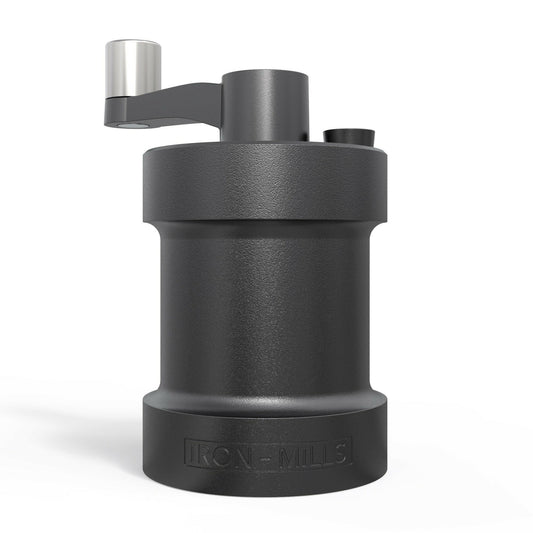
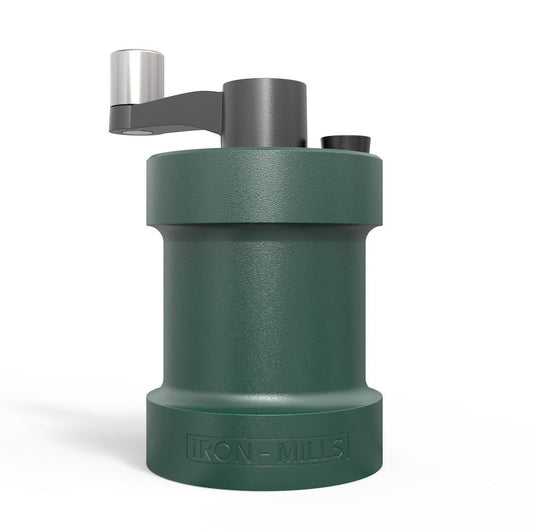
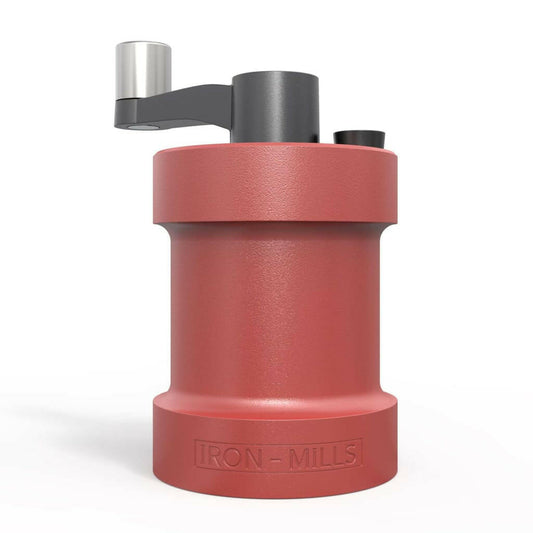
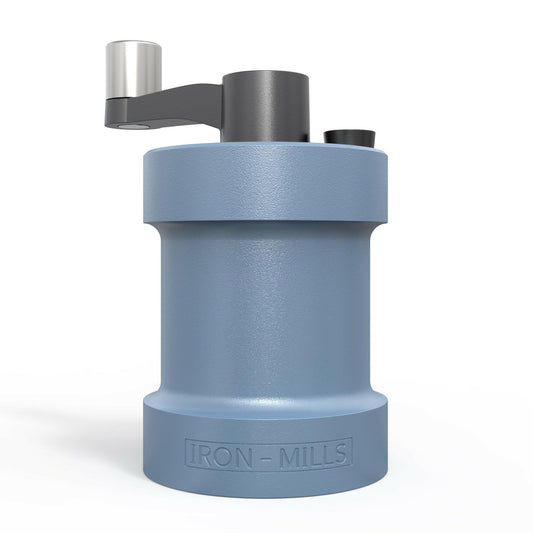
Then consider the body of the mill. Lightweight acrylic and thin plastic may keep the price down, but they rarely inspire confidence for long-term use. A sturdier body gives better balance in the hand and tends to withstand the knocks of a busy kitchen far better. If you prefer kitchenware with real substance, materials such as cast iron make a clear difference. They feel solid because they are solid.
What matters most in a salt mill
There is no single best salt mill for every household. It depends on how often you cook, where the mill will live, and whether you value appearance as much as performance. Still, a few features separate a proper mill from one that will disappoint.
A consistent grind
Salt should fall evenly, not in random lumps followed by dust. A dependable grind matters whether you are seasoning a steak before it hits the pan or finishing roast vegetables at the table. If the mechanism cannot produce a consistent texture, you lose control over flavour.
Adjustability is part of this. Some cooks prefer a finer grind for everyday seasoning, while others want larger crystals for texture and finish. A good mill should let you move between settings without fuss. The adjustment should feel deliberate, not loose or vague.
Strength in the mechanism
This is where many cheaper mills come undone. They may work passably for a short while, then start sticking, grinding unevenly, or failing altogether. That is often down to poor internal engineering rather than misuse.
A quality mill is built for repetition. You can refill it, use it daily, and expect the same result month after month. That matters far more than novelty features or fashionable finishes.
Comfort in the hand
A salt mill can be beautifully made and still awkward to use. Shape, weight, and grip all matter. If the mill is too smooth, too small, or poorly balanced, it becomes a nuisance during cooking. You notice this most when your hands are damp or you are seasoning quickly over a hob.
A well-made mill should feel secure and easy to turn. Heavier is not always better, but a little heft usually signals better materials and more substantial construction.
Choosing the right size for your kitchen
Size is often treated as a style choice, but it affects daily use more than people expect. A compact mill suits smaller kitchens, dining tables, or occasional use. A larger one can be more practical if you cook often and would rather not refill it every few days.
There is a trade-off. Bigger mills often feel more impressive and need refilling less often, but they take up more room and may feel less nimble at the table. Smaller mills are easier to place and handle, though they can be less satisfying if capacity is limited.
If your mill will live by the hob and work hard, err on the side of practicality. If it is as much a table piece as a cooking tool, size and appearance may carry equal weight.
Materials make the difference
When considering how to choose a salt mill, material quality is one of the clearest signs of value. Cheap mills are cheap for a reason. Thin casings, weak fittings, and basic mechanisms keep costs down, but they also shorten the life of the product.
A better mill uses materials chosen for a reason, not merely for appearance. Ceramic grinding components are well suited to salt. Substantial outer materials improve durability and handling. Finishes should also stand up to everyday kitchen conditions rather than marking or degrading quickly.
This is where British-made quality still means something. Care in manufacturing, sound assembly, and honest materials tend to show in use. You feel it when the mechanism turns smoothly. You see it when the mill still looks right after years on the worktop. Brands such as Iron-Mills build around that principle - fewer compromises, better performance, longer service.
Style matters, but only after function
There is nothing wrong with wanting a mill that looks smart in the kitchen. In fact, if it sits out every day, it should suit the room and feel like it belongs there. But style should never be allowed to hide weak construction.
A good salt mill should look better because it is well made, not because it relies on surface gloss or gimmicky shapes. Clean lines, solid materials, and a finish with real presence tend to age far better than trend-led designs.
If you are buying as a gift, this matters even more. A salt mill should feel like a proper object - useful, handsome, and lasting. It should not feel like something destined for the back of a drawer once the novelty wears off.
Common mistakes people make
One of the most common errors is assuming all grinders are much the same. They are not. A mill designed with poor materials or weak internal parts can become unreliable surprisingly quickly.
Another mistake is buying the cheapest option and treating replacements as inevitable. That approach often costs more in the long run. It also means putting up with poor grind quality, awkward handling, and the general annoyance of tools that never quite work as they should.
People also overlook warranty and build origin. A strong warranty suggests a manufacturer expects the product to last. Clear information about where and how a mill is made can be equally telling. Confidence from the maker should count for something.
Questions worth asking before you buy
Before choosing a salt mill, ask yourself how it will actually be used. Is it for everyday cooking or occasional dining table use? Do you want fine adjustment or a simple, reliable medium grind? Are you after something light and discreet, or a mill with more presence and weight?
You should also ask whether the mill feels built for years rather than months. That means looking past packaging and price tags. Consider the mechanism, body material, refill design, and whether the maker stands behind it properly.
If a mill promises premium quality, it should show you where that quality lies. Vague claims are easy. Reliable construction is harder to fake.
The best choice is usually the one built for real use
A salt mill earns its place through repetition. It should work on a rushed Tuesday supper, a slow Sunday roast, and every meal in between. You should not have to coax it, tap it, or wonder whether it will behave this time.
So when thinking about how to choose a salt mill, keep your standards plain and practical. Look for a corrosion-resistant mechanism, strong materials, a comfortable grip, and grind consistency you can trust. Favour substance over gimmicks, and build quality over short-term savings.
A proper mill does more than grind salt. It brings a bit of order to everyday cooking, and that is reason enough to choose one built to stay.