Seasoning Mills That Earn Their Place in Your Kitchen
A good meal can be undermined at the final turn of a cheap grinder. You reach for salt, the mechanism jams. You twist for pepper, and get a few uneven chunks followed by dust. Seasoning mills are small pieces of kitchen equipment, but they do a serious job: they put freshness, control and flavour in your hands exactly when the food needs it.
That is why they deserve more consideration than the average supermarket purchase. The right mill should feel secure in the hand, grind consistently and keep doing both after years of suppers, Sunday roasts and dinners for friends. It should not be another disposable item waiting to split, clog or lose its bite.
What Good Seasoning Mills Change at the Table
Salt and pepper are often treated as an afterthought. In practice, they are among the last decisions you make before serving. A fine grind of black pepper can lift a simple cacio e pepe; a few larger crystals of salt can give roasted vegetables, steak or a tomato salad the contrast they need.
Pre-ground pepper loses its aromatic oils over time. Grinding whole peppercorns as you cook gives you a warmer, brighter fragrance and a fuller flavour. The difference is not fussy or theatrical. It is there in the first mouthful.
Salt benefits from control too. A mill lets you season in measured stages rather than tipping in too much at once. This matters when reducing a sauce, seasoning meat before cooking, or finishing food at the table where every diner may prefer something slightly different.
The best mills make this routine easy. They turn without complaint, deliver a predictable amount and give you the confidence to season properly. That sounds basic because it is. Kitchenware should do its job well without demanding attention for the wrong reasons.
Why Material Matters More Than a Smart Finish
Many mills look convincing on the shelf. Smooth painted surfaces, shiny metal details and neat silhouettes can disguise lightweight bodies and weak internal parts. They may be perfectly adequate for a while, but a seasoning mill is handled repeatedly, exposed to kitchen moisture and subjected to constant twisting force. Fragile construction soon shows itself.
Cast iron brings a different character. It has real weight, which helps a mill sit firmly in the hand while you grind. Its solid feel is not merely decorative. It speaks to a material chosen to withstand everyday use rather than a season of it.
There is a trade-off. Cast iron mills are heavier than plastic or thin timber alternatives, and that will not suit every kitchen. If you need an ultra-light grinder because of limited grip strength, a lighter option may be more comfortable. For many cooks, though, the weight is a benefit: stable, substantial and reassuringly controlled.
A well-made mill also earns its place visually. The kitchen is full of objects that get hidden in drawers because they look tired after a few months. A cast iron mill has enough presence to remain on the worktop or dining table, ready for use. It should look better as it becomes part of the household routine, not worse.
The mechanism is where value is proved
The body gets noticed first, but the grinding mechanism decides whether a mill is genuinely useful. It must grip peppercorns cleanly and break them down with consistency. It must resist corrosion where appropriate, remain properly aligned and avoid the familiar problem of producing dust one moment and boulders the next.
Adjustability matters, but only when it is practical. Most home cooks need a dependable fine setting for sauces and a coarser one for finishing. Endless micro-settings are not much use if changing them is awkward or the mechanism cannot hold its position. Simple, reliable control beats unnecessary complication.
Salt requires particular care because ordinary table salt and damp kitchens are unforgiving. Choose a mill designed for salt, use dry salt crystals and keep it away from steam. Do not refill it while it is sitting beside a boiling pan. These small habits protect the mechanism and keep the grind clean.
Choosing Seasoning Mills for How You Actually Cook
The right choice depends less on kitchen trends than on your own habits. Think about where you season, what you cook and whether the mills will live on the table or beside the hob.
For an everyday household, a matching salt and pepper set is often the most sensible approach. You always know which mill belongs to which seasoning, and both are within reach when you are cooking. Choose a shape that is comfortable to turn, with a body that is substantial without being unwieldy.
If you entertain often, appearance matters alongside performance. Mills are passed around the table, picked up by guests and noticed beside the serving dishes. A strong, timeless material makes more sense than a novelty design that dates quickly. Good kitchenware should work hard and look at home doing it.
For keen cooks, capacity deserves attention. A mill that needs refilling every few days becomes an irritation, particularly when preparing larger meals. Yet bigger is not automatically better. An oversized mill can feel cumbersome, and peppercorns stored for very long periods may gradually lose some of their liveliness. Aim for enough capacity to suit your rhythm, not the largest vessel available.
Gift buyers should be equally practical. A pair of durable mills is useful from the day it is opened, whether the recipient is moving into a first home, celebrating a wedding or simply enjoys a well-laid table. Unlike a gadget that requires a particular recipe or enthusiasm, proper salt and pepper mills become part of daily life.
Care That Keeps a Mill Working Properly
A durable mill should not need delicate treatment, but it does deserve sensible care. Wipe the exterior with a soft, dry or lightly damp cloth, then dry it thoroughly. Avoid soaking it, putting it in the dishwasher or leaving it close to a wet sink. Water is the enemy of seasoning and moving mechanisms alike.
Refill before the mill is completely empty if possible, especially with pepper. It makes the process easier and reduces the chance of losing track of which mill is which. Use good-quality, dry peppercorns and salt crystals sized for a grinder. Sticky flavoured salts, wet sea salt and anything oily can clog a mechanism that would otherwise work for years.
If a pepper mill begins to feel stiff, first check for a trapped broken peppercorn or an over-tightened setting. Do not force it. Emptying and gently cleaning the grinding area according to the maker's instructions is usually the right first response. A quality product is built to last, but no mechanism benefits from brute force.
Buy once, season well
There is a false economy in replacing inexpensive grinders every year or two. The first price may be low, yet the irritation mounts: uneven seasoning, cracked bodies, loose tops and another item added to the bin. Buying fewer, better kitchen tools is usually the more satisfying approach, and often the more economical one over time.
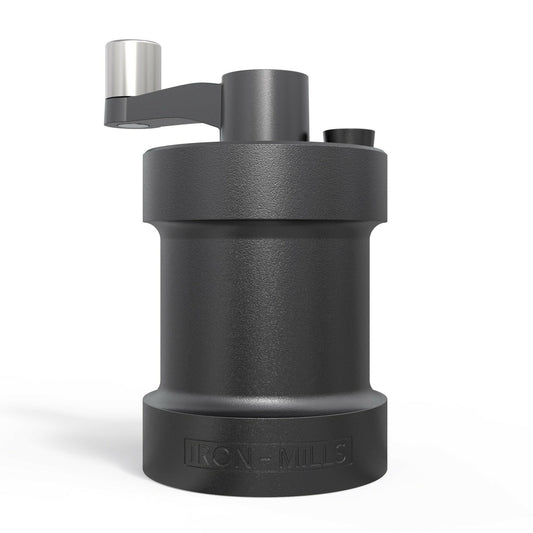
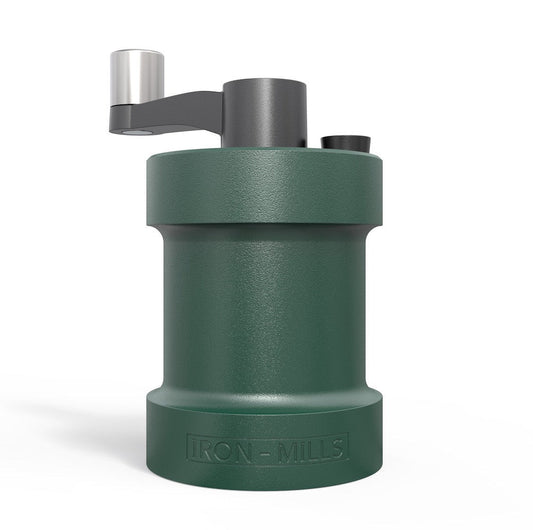
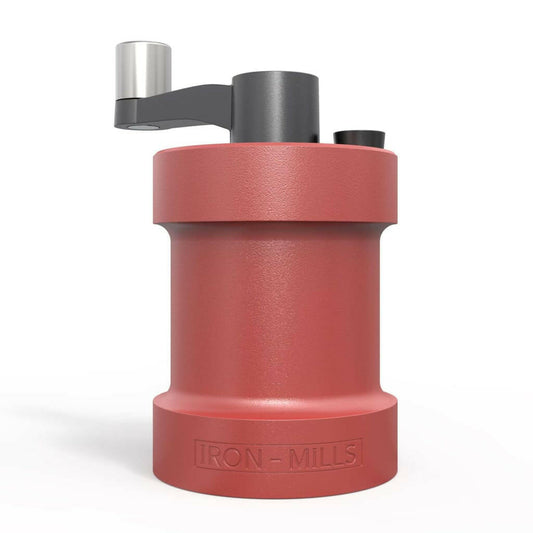
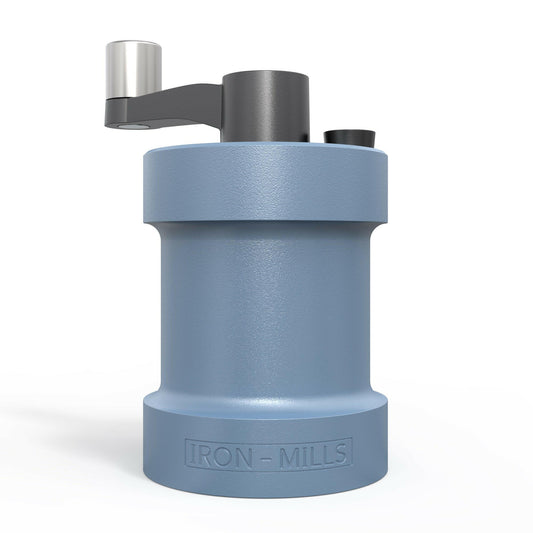
That is the thinking behind Iron-Mills: British-built cast iron seasoning mills made for people who expect everyday equipment to keep its word. A strong warranty matters because it turns a claim about durability into a proper commitment. So does construction that feels professional from the first turn.
A mill will never take centre stage in the way a range cooker or favourite knife can. But use one that works beautifully for long enough and you will notice its absence immediately. Choose the one you will still be reaching for when tonight's recipe has become a household favourite.