Premium Kitchenware Buying Guide for Lasting Quality
A pepper mill that sheds black dust onto the worktop, a pan that warps after a few Sunday roasts, a knife handle that loosens within a year - these are not minor annoyances. They are the cost of buying kitchenware built to be replaced. This premium kitchenware buying guide is for cooks who would rather buy fewer, better things and rely on them properly.
Premium does not simply mean expensive, nor does a fashionable badge guarantee a hardworking tool. The worthwhile pieces are made from honest materials, feel right in the hand, perform consistently and are supported by a maker prepared to stand behind them. That is the difference between a kitchen full of purchases and a kitchen equipped for years of everyday cooking.
Start With the Job, Not the Label
Before comparing finishes, colours or claims, decide what the item must do in your kitchen. A saucepan used for porridge every morning needs different strengths from a large casserole brought out for dinner parties. A seasoning mill should give a controlled, even grind at the table without jamming, leaking or feeling flimsy in the hand.
Think about frequency, not just occasion. The tools that earn a place on the worktop are usually those used several times a week: a dependable knife, a solid pan, a chopping board that stays put, or mills that season properly from the first course to the last. Put more of your budget towards these pieces. A rarely used gadget can be simpler, but daily equipment needs to withstand daily pressure.
It also pays to be realistic about your cooking habits. If you prefer quick suppers and easy washing-up, a beautiful but high-maintenance material may soon sit unused. If you enjoy slow cooking, baking and a well-stocked kitchen, heavier construction can be a genuine advantage rather than an inconvenience.
Materials Tell You What Will Last
Good kitchenware begins with material choice. Manufacturers can disguise poor construction with glossy packaging, but material thickness, weight and finish are much harder to fake.
Cast iron: substantial and dependable
Cast iron has earned its place because it is tough, stable and satisfying to use. In cookware, it holds heat exceptionally well, making it suited to searing, roasting and long, slow dishes. It is heavy, and it needs sensible care, so it will not suit every task. Yet for tools that benefit from a solid feel and long service, cast iron offers a level of permanence that lightweight alternatives rarely match.
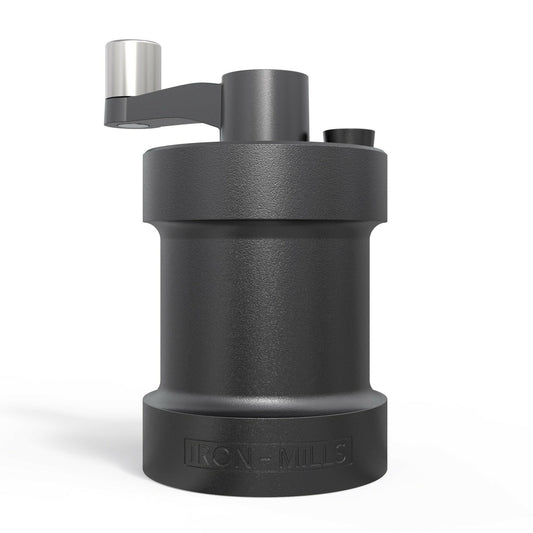
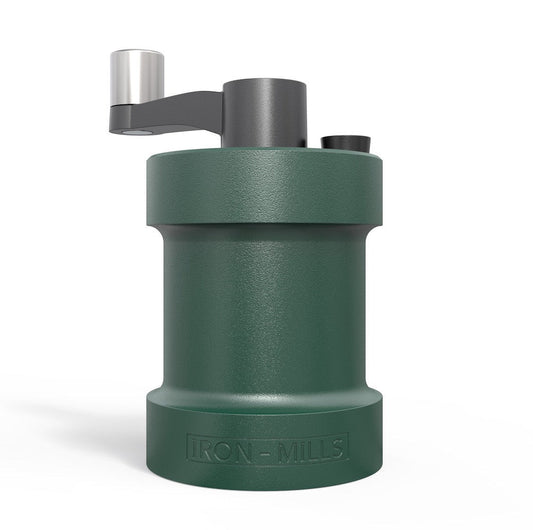
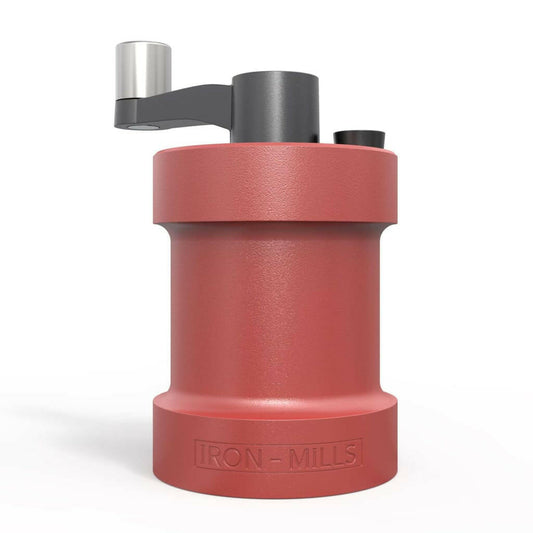
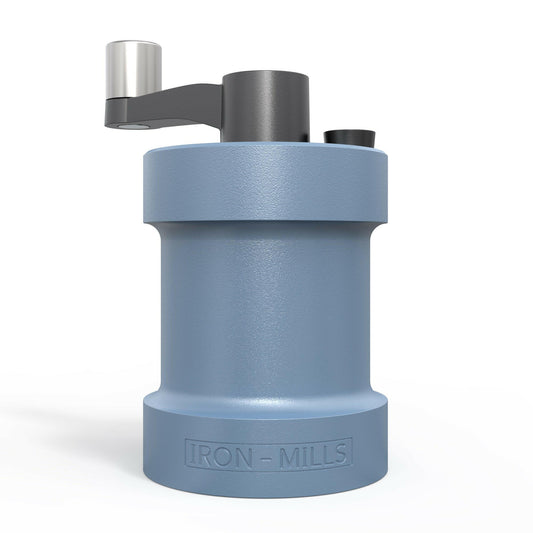
A cast iron seasoning mill, for example, has the reassuring heft to stay steady while you grind. The material is not chosen merely for appearance. It supports a product designed to be handled every day, rather than nursed along until the next replacement arrives.
Stainless steel: inspect the construction
Stainless steel is a sensible choice for many kitchen essentials because it resists rust, cleans well and does not hold flavours. But not all stainless steel is equal. Look beyond a mirror finish and assess the gauge of the metal, the firmness of handles and the quality of joins. Thin steel can dent, scorch food and feel unpleasantly light.
For pans, a properly bonded base or multi-layer construction matters because it helps distribute heat more evenly. The right pan should respond well on the hob without developing hot spots that catch sauces and spoil simple cooking.
Wood, ceramic and glass: useful, with conditions
Natural wood brings warmth and character, especially in boards, utensils and serving pieces. Choose well-finished hardwood and accept that it requires drying and occasional oiling. It is a fair trade for a material that can age handsomely.
Ceramic and glass are excellent where non-reactive storage, baking or presentation is the priority. Check the thickness, edges and suitability for heat. They can last for years, but their failure point is obvious: a dropped dish does not offer much forgiveness.
Weight Is a Clue, Not the Whole Story
Premium kitchenware often has a noticeable weight because quality materials and sound construction are rarely feather-light. A pan should sit securely on the hob. A mill should feel balanced, not hollow. A knife should have a stable handle and enough substance to guide the blade safely.
That said, heavier is not automatically better. A cast iron casserole can be excellent for braising but impractical if lifting it from a low oven is difficult. A very heavy knife can become tiring during prep. The right test is control. Can you lift, pour, turn and clean the item comfortably? If not, its impressive specifications will not make it more useful.
Where possible, handle kitchenware before buying. If you are shopping online, study product dimensions, material details and photographs closely. Vague descriptions such as “premium metal” or “professional quality” are not enough. A confident manufacturer should be clear about what the product is made from and why.
Look Closely at the Working Parts
The details that affect performance are often tucked away inside the product. This is particularly true of grinders, knives, pans with lids and any item with a moving part.
For salt and pepper mills, the grinding mechanism deserves more attention than the exterior. A handsome mill that produces uneven shards, clogs with use or spills seasoning onto the table is not premium in any meaningful sense. Seek a mechanism designed for the specific seasoning, with adjustment that is practical rather than fussy. Pepper needs a clean, consistent grind; salt requires components that can cope with salt’s corrosive nature.
With knives, inspect how the blade meets the handle and whether the handle offers a secure grip when damp. For pans, examine the lid fit, handle attachment and flatness of the base. For utensils, avoid loose rivets, sharp mould lines and flimsy joints. These are the places cheap products usually reveal themselves first.
A Premium Kitchenware Buying Guide Should Include Care
The best purchase is not always the one that needs no care. It is the one whose care requirements are reasonable for the performance and lifespan it offers.
Cast iron cookware benefits from drying thoroughly and maintaining its seasoning. Wooden boards should not be left soaking in the sink. Quality knives prefer hand washing and prompt drying, even if a dishwasher-safe label suggests otherwise. These habits take little time once established, and they protect the qualities that made the item worth buying.
Be wary of claims that promise every advantage with no compromise. A pan that is light, indestructible, non-stick forever, metal-utensil safe and dishwasher proof at a bargain price is unlikely to deliver on all fronts. Good kitchenware makes clear choices. It may ask you to hand wash it, accept a little weight or learn a simple maintenance routine. In return, it should perform properly for a long time.
Warranty and Origin Are Part of the Value
A warranty is not a decorative line at the bottom of a product page. It signals how long a business expects its product to remain in service. Read what is covered, how long protection lasts and whether the company gives plain guidance on care. A long warranty is most meaningful when paired with specific material information and a clear route to support.
Origin matters for similar reasons. “Built in Britain” should point to more than a flag on a box. It can mean closer oversight of materials, manufacturing and finishing, along with a greater sense of accountability. It is not a guarantee on its own, but it is a useful marker when it is backed by proper construction and a maker that speaks plainly about its process.
Iron-Mills takes this approach with British-built cast iron salt and pepper mills designed for long-term daily use, supported by a 10-year warranty. That is the standard worth looking for: solid material, practical performance and a promise with enough weight behind it.
Spend More Where Failure Is Most Frustrating
You do not need to replace every item in your cupboards at once. Start with the pieces that disappoint you most often. If your cheap grinder has lost its bite, replace it with a mill made to grind consistently. If a warped frying pan turns cooking eggs into a fight, invest in one with a sound, even base. If your knives are uncomfortable or impossible to sharpen, buy one reliable cook’s knife before purchasing a whole matching block.
This approach is kinder to your budget and better for your kitchen. It also stops you being drawn into buying sets full of pieces you do not need. Build gradually, choosing objects with a clear purpose and enough durability to become familiar favourites.
Buy for Ten Years, Not Ten Uses
The real measure of premium kitchenware is not how it looks when it arrives. It is how it behaves after hundreds of meals, hurried weeknights, family gatherings and the occasional overenthusiastic scrub. It should still feel good to use, still do its job without complaint and still justify the space it occupies.
Choose the material you can live with, the construction you can trust and the care you are willing to give. A well-made tool does more than make cooking easier. It removes one small source of frustration from the everyday, which is exactly what a good kitchen should do.