Grinder Mechanism Comparison for Lasting Mills
A mill can look the part on the worktop and still disappoint at the first turn. That is why a proper grinder mechanism comparison matters more than a fashionable finish or a low ticket price. The mechanism determines whether your pepper is properly cracked, whether salt keeps flowing in a steamy kitchen, and whether the mill is still dependable after years of Sunday roasts and weeknight suppers.
Cheap mills often fail in predictable ways: the grinder blunts, the adjustment slips, a plastic part cracks, or salt causes corrosion where it should not. A good mill feels controlled in the hand because the engineering inside is doing its job. The right choice depends on what you grind, how you cook and whether you want a kitchen tool to last rather than become another replacement purchase.
Grinder mechanism comparison: the materials that matter
Most seasoning mills use one of four broad mechanism types: ceramic, carbon steel, stainless steel or plastic-based components. None is automatically right for every ingredient. What matters is how the material responds to hard peppercorns, corrosive salt, moisture and repeated use.
Ceramic mechanisms
Ceramic is widely used because it is exceptionally hard and does not rust. That makes it a sensible choice for salt, particularly in busy kitchens where a mill may be used over a pan of boiling potatoes or left near the hob. Salt naturally attracts moisture, and ceramic avoids the corrosion problem that can affect ordinary steel.
It also works with more than salt. Dried herbs, spices and peppercorns can be ground in many ceramic mechanisms, which appeals to cooks who want flexibility. The trade-off is feel and finish. A ceramic grinder can produce a very capable grind, but the cutting action may feel less crisp than a well-made metal pepper mechanism. Quality varies considerably, too. A precisely manufactured ceramic mechanism is a different proposition from a generic ceramic insert fitted into a lightweight mill.
Ceramic is hard, but hard materials can be brittle if dropped or badly made. The surrounding body and the way the mechanism is secured therefore matter just as much as the ceramic itself.
Carbon steel mechanisms
For black pepper, carbon steel remains the traditional standard for good reason. Its sharp teeth grip and crack peppercorns rather than merely crushing them. This produces an aromatic, even grind, from fine pepper for sauces to coarser pieces for steaks, salads and cacio e pepe.
A proper carbon steel mechanism develops its reputation through performance over time. It should retain a positive bite, turn without strain and deliver pepper cleanly rather than producing a mixture of dust and oversized fragments. There is a reason serious pepper mills have long favoured steel grinding parts: peppercorns are hard, and sharp metal teeth deal with them efficiently.
The limitation is clear. Carbon steel and salt do not belong together. Salt's moisture can cause corrosion, which may lead to stiffness, discolouration and eventual failure. If a mill uses carbon steel, reserve it for dry peppercorns. That is not a weakness of the material. It is simply using the right tool for the ingredient.
Stainless steel mechanisms
Stainless steel is often chosen for its resistance to corrosion and its clean, contemporary appearance. In theory, it offers a useful middle ground, particularly for salt. In practice, the grade of stainless steel and the mechanism design make a real difference.
A well-engineered stainless steel mechanism can be durable and suitable for salt. However, not all stainless steel is equally resistant to the salty, humid conditions found in a kitchen. Lower-grade parts may still corrode or lose their smooth action. Stainless steel may also lack the keen cutting performance of carbon steel when used for pepper, depending on how its teeth have been formed.
It is a practical material, but the label alone is not a guarantee. Ask what the mechanism is designed to grind and whether the mill has been built for years of regular use, not simply for an attractive product description.
Plastic mechanisms and plastic components
Plastic is inexpensive, light and easy to mould, so it is common in lower-cost grinders. It can work acceptably for a while, especially where the mill is used occasionally. Yet repeated pressure from hard peppercorns takes its toll. Teeth can wear down, housings can flex and adjustment parts can lose their hold.
Plastic also changes the experience of using a mill. Where a quality metal mechanism offers resistance and control, a lightweight plastic grinder can feel vague. That does not make every plastic component unsuitable - some internal components may be entirely sensible - but a mill that relies on plastic for the main grinding surfaces is rarely built as a long-term kitchen essential.
Grind quality is more than fine or coarse
A mechanism earns its place by producing a consistent result. At the fine setting, it should make a controlled, even powder without clogging. At the coarse setting, it should crack peppercorns or salt crystals into recognisable pieces, not send out random shards alongside fine dust.
Consistency matters because it affects flavour. Fine pepper disperses quickly through a creamy sauce, while coarsely cracked pepper offers warmth and texture on a finished dish. Uneven grinding makes seasoning harder to judge. One turn may add very little, while the next brings a harsh burst of oversized pepper.
Adjustment is part of this picture. The best mills offer a setting that stays where you put it. A loose top knob can gradually tighten or loosen while you grind, leaving you to correct the mill rather than concentrate on cooking. Some mechanisms use a top adjustment, while others have a base or internal setting. The position matters less than a firm, repeatable adjustment that is easy to understand and does not spill seasoning onto the table.
The mill body still has a job to do
It is tempting to discuss mechanisms as though they exist in isolation. They do not. A grinder needs a solid body, a secure spindle and a reliable connection between handle, shaft and grinding teeth. If any of those parts are weak, even a decent mechanism cannot perform as it should.
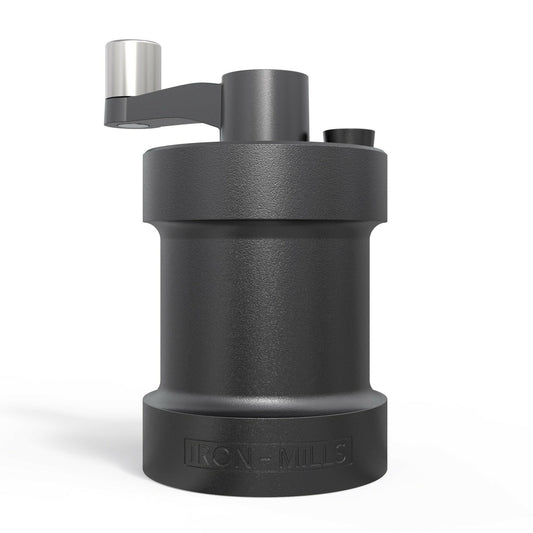
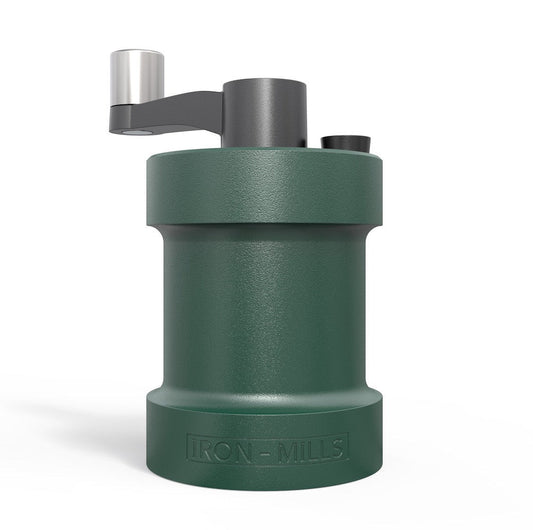
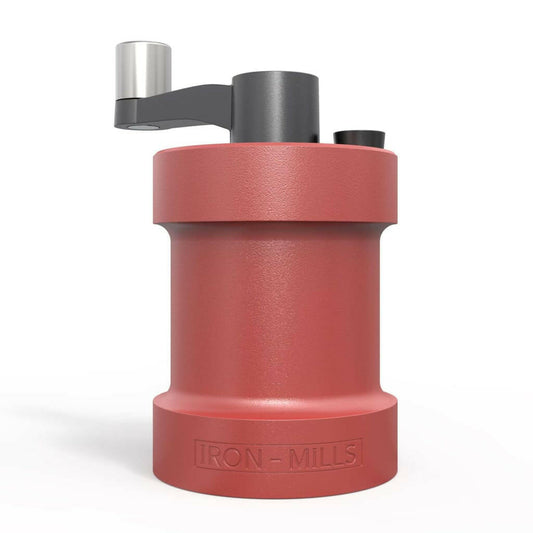
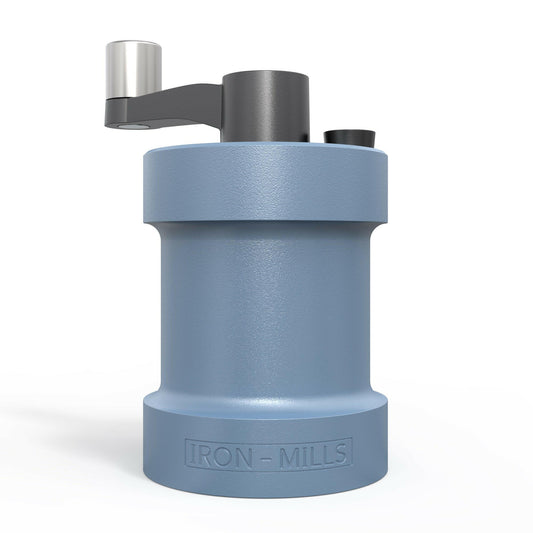
Weight is not everything, but a substantial mill offers advantages. It is steadier to use, less likely to twist under pressure and more reassuring in everyday handling. Cast iron, for example, brings a material presence that suits a hard-working kitchen tool. It also needs thoughtful construction and care, as any quality metal product does.
Look closely at how the mill opens for refilling. A good design should allow you to replenish peppercorns or salt without fiddly pieces, stripped threads or a cloud of seasoning across the worktop. The opening should close securely, keeping contents dry and the mechanism protected.
Which mechanism should you choose?
For a dedicated pepper mill, carbon steel is difficult to beat when grind quality and traditional performance are the priority. It is made for peppercorns and should deliver a clean, satisfying crack with a useful range of settings.
For a salt mill, ceramic is the dependable choice because it avoids the corrosion risk associated with steel. A suitably specified stainless steel mechanism can also be effective, but it is worth buying from a maker that is clear about materials rather than relying on broad claims.
If you want one mill for several dried spices, ceramic offers useful versatility. If you want a mill that will earn its place for years, avoid being led by a low price or a shiny exterior. Consider the full construction, the mechanism material, the quality of adjustment and whether the maker stands behind the product with a meaningful warranty.
A good grinder should become almost unnoticed in the best possible way: always ready, easy to trust and capable of seasoning a meal exactly as you intend. Choose the mechanism for the ingredient, give it a well-built home, and it will make every turn count.