How to Maintain Premium Seasoning Mills
A good mill tells on itself. If the grind starts to feel stiff, the output turns uneven, or fine dust gathers where it should not, something is off. Knowing how to maintain premium seasoning mills is not about fussy upkeep. It is about protecting a kitchen tool that ought to work properly every day, year after year.
Cheap grinders are often treated as disposable because, frankly, many of them are. A well-made seasoning mill is different. Built from proper materials and designed for repeated use, it rewards a bit of sensible care with better performance, more consistent seasoning, and a far longer working life. That matters whether you cook every night, season at the table, or buy quality pieces because you are tired of replacing flimsy ones.
Why maintenance matters more with premium mills
A premium seasoning mill is engineered for accuracy and durability. That does not mean it is immune to neglect. Salt attracts moisture, pepper releases oils, and both can leave residue inside the mechanism over time. If that build-up is ignored, even a solidly made mill can begin to feel rough or grind less evenly.
The trade-off is straightforward. Better mills are made to last, but long life depends on using them properly. Treat them as precision kitchen tools rather than throwaway gadgets, and they will usually return the favour with reliable performance. In many homes, that means years of service instead of another disappointing purchase six months down the line.
How to maintain premium seasoning mills day to day
Most maintenance is simple and takes seconds rather than hours. The biggest mistake is overcomplicating it. Day-to-day care is really about keeping the mill dry, clean on the outside, and filled with the right seasoning.
After use, wipe the exterior with a soft dry cloth or, if needed, a slightly damp one followed immediately by a dry wipe. This removes cooking splashes, greasy fingerprints, and fine seasoning dust before they settle. If your mill sits near the hob, this matters even more, because steam and airborne grease can cling to the body and work their way towards moving parts.
Storage also makes a difference. Keep mills away from direct heat and heavy moisture. A shelf beside a steaming kettle or right above a bubbling pan is not ideal. Salt, in particular, can clump when exposed to damp air, which can put avoidable strain on the mechanism.
Use the mill as intended. Pepper mills are for dry peppercorns, and salt mills are for dry salt crystals suited to grinding. It sounds obvious, but many problems begin when people load a mill with overly moist sea salt, spice blends, or flavoured seasonings that contain oils, flakes, or additives. Premium mills are durable, not indestructible, and the wrong contents can gum up even a well-built grinder.
Keep the grinding mechanism clean
If you want the best answer to how to maintain premium seasoning mills, start with the grinding mechanism. It is the working heart of the mill, and the place where performance is won or lost.
For pepper mills, natural oils from the peppercorns can leave a light residue over time. For salt mills, moisture is usually the main culprit. In either case, the first rule is to avoid soaking the mill or running it under the tap. Excess water can encourage corrosion in unsuitable parts, damage finishes, or leave trapped moisture where you do not want it.
Instead, empty the mill if it needs a more thorough clean. Turn it upside down and gently work out any remaining seasoning. Then use a dry brush, such as a small pastry brush or a clean soft toothbrush, to loosen residue around the grinding area. A dry cloth can clear what the brush lifts. If the design allows access to the mechanism according to the manufacturer’s instructions, clean only as far as intended. Forcing parts apart is a fine way to create a repair job where none existed before.
Some owners like to grind a small amount of dry coarse salt through a pepper mill to help absorb oils, but this depends on the mechanism and the maker’s guidance. If in doubt, it is better to stick to dry brushing and careful emptying than experiment with home remedies.
What never to do
A few habits shorten the life of a mill very quickly. Do not put a premium seasoning mill in the dishwasher. Do not immerse it in water. Do not use harsh cleaners, bleach, or abrasive pads. And do not leave damp seasoning sitting inside for weeks, hoping it will sort itself out. It will not.
Refilling without causing wear
Refilling should be tidy and deliberate. Rushing it often leads to spillage into threads, around adjustment fittings, or into places where seasoning can compact and interfere with movement.
Before refilling, check that the chamber is dry and free from old residue. If you are topping up rather than fully emptying, it is still worth looking for signs of clumping or stale contents. Peppercorns lose freshness over time, and old salt that has absorbed moisture can become troublesome. Fresh seasoning does not just taste better. It tends to move through the mill more cleanly as well.
Do not overfill. Leave enough space for the contents to move freely. Packing a chamber to the brim can put unnecessary pressure on the mechanism and make grinding feel heavier than it should. A well-made mill should feel controlled and solid in the hand, not strained.
Adjusting grind settings properly
One reason people invest in a premium mill is grind consistency. Fine for sauces and finishing, coarser for steaks, salads, or crusts - that range matters. But adjustment needs a measured hand.
If your mill has an adjustable setting, change it in small increments. Overtightening can restrict the mechanism, while setting it too loose may produce an uneven crush instead of a proper grind. Make adjustments with the mill empty or with gentle use, depending on the design. If it suddenly feels resistant, do not force it. Resistance is usually a sign to check the setting, inspect for residue, or confirm that the seasoning inside is suitable and dry.
It depends, of course, on what you prefer in cooking. Some cooks favour a fine pepper for sauces, others want a coarser crack for table use. The point is not one setting over another. The point is to adjust with care rather than wrenching parts tighter in search of speed.
Spotting early signs of trouble
A premium mill rarely fails without warning. Usually, it gives you clues first. Grinding may become uneven. The body may feel sticky from kitchen grease. The mechanism might sound rougher than usual, or salt may begin to clog after damp weather.
These signs are useful if you act on them early. A quick clean, a refill with fresh dry seasoning, or a move away from a steamy corner of the kitchen can often put things right. Leave the issue for months, and a simple fix can become unnecessary wear.
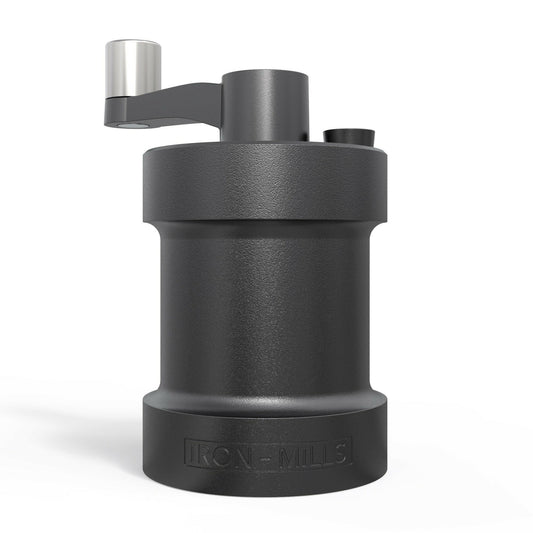
With cast iron or other weightier materials, exterior care matters too. Keep the surface clean and dry, especially if the mill is handled often at the table. A premium finish should age with character, not with neglect.
Seasonal care and long-term storage
Most mills used daily need only light routine care. If a mill is used less often, perhaps brought out for dinner parties or kept as part of a best set, long-term storage needs a bit more thought.
Empty it before putting it away for an extended period. This is especially wise with salt, which can attract moisture from the air and form hard clumps. Clean out the mechanism gently, wipe the exterior, and store the mill in a dry cupboard. When you return it to use, refill with fresh seasoning rather than relying on what has sat inside for months.
That same approach works well if you are packing kitchenware for a move or sending a mill as a gift. A clean, dry, empty mill travels and stores far better than one left half full.
When quality care pays off
There is a practical satisfaction in owning kitchenware that does not need replacing on a whim. A proper seasoning mill should feel dependable in the hand, look right on the worktop, and perform as well on a Tuesday supper as it does when guests are over on Sunday.
That is why maintenance matters. Not because premium tools are delicate, but because they are worth looking after. At Iron-Mills, that principle sits at the heart of good kitchenware - build it properly, use it properly, and it should earn its place for the long haul.
If you keep your mill clean, dry, correctly filled, and sensibly adjusted, it will usually do exactly what it was made to do: deliver consistent seasoning without fuss, and keep doing it long after cheaper alternatives have given up.