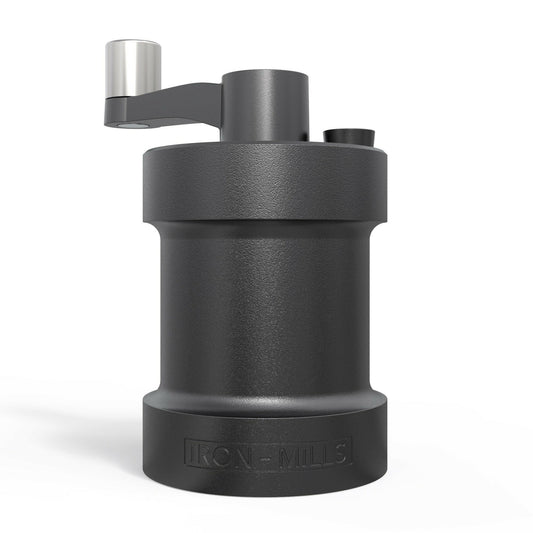
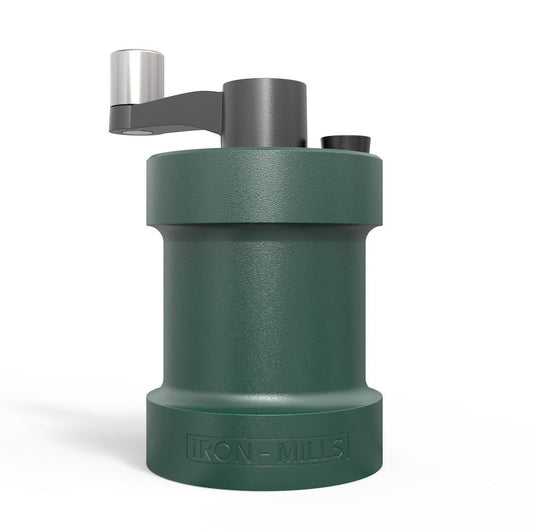
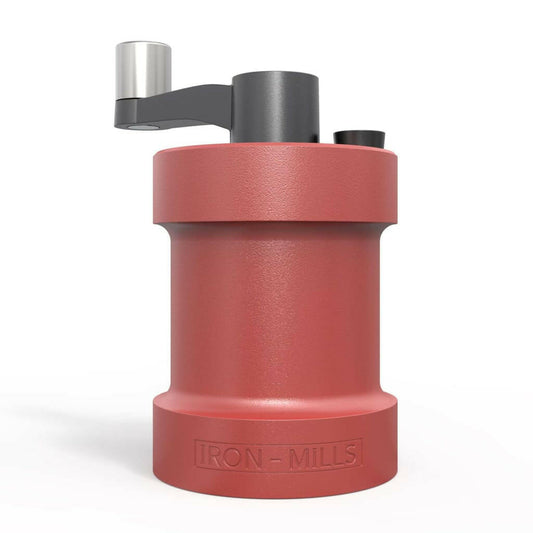
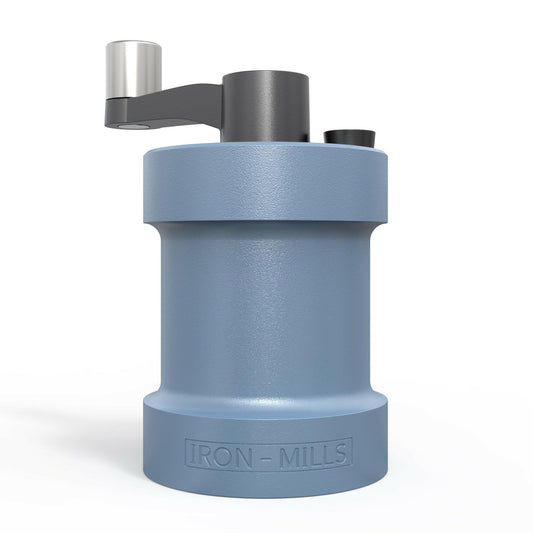
Are Cast Iron Mills Worth It? Yes, If You Cook
A pepper mill usually gives up at the worst possible moment - halfway through a supper party, over a hot pan, or just when you are trying to finish a decent steak properly. That is why people ask, are cast iron mills worth it? If you are tired of plastic mechanisms, loose fittings and grinders that feel tired after a few months, the short answer is yes. For the right buyer, they are absolutely worth it.
The longer answer is that value in kitchenware is rarely about the ticket price alone. It is about how something performs, how long it lasts, and whether it still feels reliable years after the novelty has worn off. A cast iron mill is not the cheapest choice on the shelf, nor is it trying to be. It is built for people who would rather buy once than replace repeatedly.
Are cast iron mills worth it for everyday cooking?
If you cook often, season generously and care about consistency, cast iron mills make a strong case for themselves. They are designed to handle regular use without the wobble, cracking and stripped mechanisms that plague cheaper grinders. In practical terms, that means fewer frustrations in the kitchen and a better result on the plate.
A good mill should do one job very well. It should grind cleanly, feel steady in the hand and hold up under daily use. Cast iron helps with all three. The weight gives it presence, the structure gives it durability, and the overall build tends to feel more assured than lightweight alternatives made to hit a low price point.
That does not mean every cast iron mill is automatically brilliant. Design still matters. The grinding mechanism matters. So does the quality of assembly. But when cast iron is used properly, it creates the sort of kitchen tool that feels dependable from day one and keeps feeling that way.
What you are really paying for
People often compare a premium cast iron mill to a budget grinder and stop at the upfront cost. That misses the point. Cheap mills are usually inexpensive because something has been compromised - thinner materials, weaker internal parts, poorer alignment or all three.
You may save money at first, but that saving disappears if the grinder jams, cracks, dulls or ends up in the bin after a short spell of use. Replacing poor-quality mills every year or two is not economical. It is just a slower, more irritating way to spend more.
With a well-made cast iron mill, you are paying for material quality, stronger construction and longevity. You are also paying for a product that feels as though it belongs in a serious kitchen rather than a temporary one. That matters more than many people expect. The tools you reach for every day should not feel disposable.
Durability is where cast iron earns its place
Cast iron has a straightforward appeal. It is solid, hard-wearing and far less likely to feel flimsy after prolonged use. In a kitchen, that matters. Salt and pepper mills are handled constantly, knocked about on worktops, passed around the table and used with one hand while cooking with the other. Weak materials show their limits quickly.
A sturdy mill resists the wear that comes with real life. It keeps its shape, holds together properly and does not develop that loose, rattly feel so common in cheap grinders. There is a reason serious cookware leans on strong materials. Daily use is a test, and poor-quality products rarely pass it for long.
There is also the question of trust. If a mill comes with a substantial warranty, that tells you something. Brands do not offer long cover on products they expect to fail early. It is a practical sign that the build is meant to last.
Grind quality matters more than most people think
Seasoning is not just about adding more salt or pepper. It is about control. A weak mill often produces an uneven grind - dust one turn, oversized fragments the next. That makes it harder to season properly and easier to overdo things.
A better-built mill tends to give a steadier grind and a more consistent flow. That means more control over flavour and fewer surprises at the hob or table. You notice it with pepper first, because poor pepper mills have a habit of crushing badly or dispensing erratically. But it matters for salt too, especially when finishing dishes where texture counts.
For home cooks who care about the difference between decent food and properly seasoned food, that consistency is worth paying for. It is not theatre. It is function.
Are cast iron mills worth it compared with cheaper grinders?
Compared with bargain grinders, cast iron mills usually win on lifespan, feel and reliability. They are less likely to become kitchen clutter after a few months and more likely to become part of your everyday routine for years. That is the practical case in their favour.
Where cheaper grinders still appeal is entry price. If you need something immediately and only use it now and then, a lower-cost option might seem good enough. Some people simply do not cook often enough to notice the difference straight away.
But frequent cooks do notice. Anyone who seasons while frying, roasting, grilling or serving will quickly feel the gap between a mill that works properly and one that does not. Once you have used a solid, well-balanced grinder with a dependable mechanism, it is hard to go back to something light, inconsistent and short-lived.
Who will get the most value from them?
Cast iron mills make the most sense for people who use them regularly and expect kitchen tools to last. If you cook most days, entertain at home, or like your kitchen to feel considered rather than cobbled together, they fit naturally.
They also make sense for gift buyers. A premium mill has far more staying power than a novelty kitchen present or a generic gadget. It feels substantial, useful and properly chosen. That is why it suits weddings, housewarmings, anniversaries and Christmas especially well.
If, on the other hand, you barely cook and only bring out the pepper for the odd plate of eggs, a cast iron mill may be more than you need. Worth it depends on use. The more often you reach for it, the more value you get from its build quality.
The less obvious benefits
There is a quieter advantage to buying well. Good tools make everyday cooking feel less like a chore. A dependable mill with proper weight and clean grinding action is one of those small upgrades that improves the rhythm of the kitchen.
Then there is appearance. Cast iron has presence. It looks purposeful on a worktop or dining table, not flimsy or forgettable. For people who care about materials and design integrity, that counts. A kitchen should work hard, but there is no reason it should not look the part too.
British-made products add another layer for many buyers. Provenance still matters. Knowing where something is made, and that it has been produced to a proper standard, gives confidence that mass-market imports often lack. That is part of the appeal of brands such as Iron-Mills, where durability and British manufacture sit at the centre of the promise.
When they may not be worth it
Honesty matters here. Cast iron mills are not the right answer for everyone. If your budget is very tight, the upfront cost may be difficult to justify, even if the long-term value is better. If you prefer ultra-light kitchen tools, their weight may not suit you. And if a mill is poorly designed, cast iron alone will not save it.
That is why it is worth looking beyond material alone. Consider the mechanism, the finish, the warranty and whether the brand sounds as though it stands behind what it sells. Premium pricing should come with genuine substance.
So, are cast iron mills worth it?
For serious home cooks, style-conscious buyers and anyone fed up with replacing cheap grinders, yes. Cast iron mills are worth it because they solve the problems that make ordinary mills so disappointing - weak construction, short lifespan and inconsistent performance.
They are not a throwaway purchase, and that is precisely the point. You buy them for steadier grinding, lasting build quality and the confidence that the thing will still be doing its job years from now. In a kitchen full of disposable products, that sort of reliability stands out.
If you are choosing tools for the long haul, buy the one that feels built for real life, not just for the shelf.