Premium Mill Review: Is Quality Worth the Price?
A premium mill review should answer one practical question: will this be better to use six months from now, not merely impressive when it first arrives? Anyone who has wrestled with a seized grinder, a loose cap or a scatter of pepper dust across the worktop knows the cost of buying cheap. A proper mill is a small piece of kitchen equipment, but it is used constantly and has to earn its place.
The difference is not just looks. A premium salt or pepper mill should feel balanced in the hand, produce an even grind and stand up to daily cooking without becoming another item destined for the back of a cupboard. For home cooks who care about their food, that reliability is worth examining closely.
What separates a premium mill from an ordinary grinder?
The simplest answer is that a premium mill is built as a long-term tool rather than a short-term convenience. Low-cost grinders often rely on light materials, thin internal components and mechanisms that grow unreliable with regular use. They can look smart at first, yet the grind becomes inconsistent, the body loosens or the adjustment stops holding its setting.
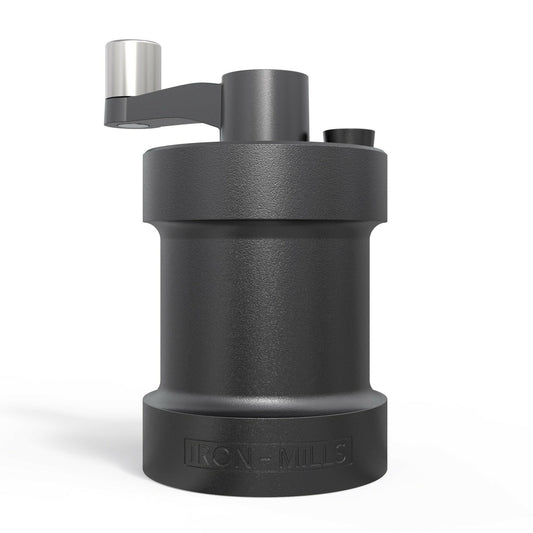
A well-made mill takes a different approach. Its body should have real substance, with materials chosen to tolerate hands, heat, everyday knocks and repeated refilling. Cast iron has a particular appeal here. It brings reassuring weight, a distinctive finish and the kind of physical presence that disposable plastic grinders cannot imitate.
Weight alone does not make a mill better, of course. An overly heavy design can be awkward at the table, while a decorative body with a poor mechanism is still a poor grinder. The value lies in how the whole item works together: a secure exterior, a dependable grinding mechanism, sensible adjustment and an opening or refill process that does not turn seasoning into a chore.
Premium mill review: the tests that matter at home
A mill should be judged where it belongs: beside a hot pan, over a roasting tray and on a dinner table with guests waiting. Glossy product photographs cannot tell you whether it will deliver when your hands are damp, you need a finer finish on a sauce or you are seasoning a steak just before serving.
Grind consistency is the real performance test
A good pepper mill should crack peppercorns cleanly rather than crush some into dust while leaving others in large, hard pieces. Consistency matters because seasoning should be deliberate. Fine pepper disperses quickly through a creamy sauce; a coarser grind brings texture and warmth to roasted vegetables or a finished dish.
Salt presents its own challenge. Salt is abrasive and moisture can cause problems in inferior grinders, especially in a busy kitchen. A premium salt mill needs a mechanism suited to the job and a design that keeps daily handling straightforward. If a grinder jams every time the weather turns damp, it is not professional kitchenware, whatever the label says.
Adjustment is equally significant. The setting should be easy to alter but firm enough not to drift as you use it. Some cooks keep one reliable medium setting for nearly everything. Others switch between fine and coarse depending on the dish. Neither approach is wrong, but both demand a mill that responds predictably.
Construction should inspire confidence
Look closely at the points that take the strain. Does the mill feel solid when it is twisted? Do parts sit neatly together? Is there any rattle, flex or sense that a component could fail under ordinary pressure? These are modest details, but they reveal whether a product was made for years of use or simply made to reach a price point.
Premium does not mean delicate. The best kitchen tools develop character through use. A substantial mill can live on the worktop, travel to the dining table and be picked up with one hand while you stir with the other. It should feel dependable rather than precious.
This is where a meaningful warranty matters. A long warranty is not a substitute for good design, but it is a clear signal that the maker expects its product to remain in service. Ten years of cover says far more than vague language about quality. It gives the buyer a practical reason to believe the mill has been made with the long view in mind.
Refilling should not interrupt the pleasure of cooking
There is little glamour in refilling salt or pepper, but it is part of ownership. A mill with a sensible refill design makes it easy to keep good ingredients to hand. One that is fiddly, spills everywhere or requires excessive force will soon become irritating.
Capacity is a trade-off. A larger mill needs refilling less often and can suit a family kitchen or frequent entertaining. A more compact design is easier to pass around the table and may feel more comfortable for smaller hands. The right choice depends on how you cook, but either way, the mill should be easy to live with rather than a performance piece reserved for guests.
Why material quality changes the experience
Most people do not set out to buy several pepper mills. They buy replacements because their previous one stopped working properly. That cycle is precisely why material quality deserves more attention than surface styling.
A cast iron mill brings durability you can feel before you have ground a single peppercorn. Its weight helps it sit securely in the hand, while its dark, tactile finish suits both traditional and modern kitchens. It is not trying to disappear into a drawer. It is made to be used and left within reach.
There are trade-offs. Cast iron is more substantial than wood, acrylic or lightweight metal, which will not suit everyone. If you want the lightest possible table accessory, another material may be preferable. But for cooks tired of flimsy grinders and homeowners who want their kitchenware to have genuine material presence, that heft is a benefit, not a drawback.
Appearance should also remain practical. A premium mill needs to look right beside a simple weeknight supper as well as a carefully laid table. A restrained, purposeful design is more likely to stay relevant than a novelty shape or a finish chosen solely to follow a passing trend.
Is the higher price justified?
It depends on what you expect from a kitchen purchase. If seasoning is an afterthought and the mill will spend most of its time unused in a cupboard, an inexpensive option may do the job. But for anyone who cooks regularly, a mill is not an occasional accessory. It is handled at nearly every stage of preparing food.
The upfront price of a premium mill is higher because the aim is different. You are paying for better materials, more considered construction and a product intended to keep working rather than be replaced at the first sign of trouble. Over time, that can be the more sensible purchase, particularly when the alternative is buying a succession of grinders that never quite perform as they should.
There is also the matter of enjoyment. Freshly ground seasoning gives you more control over flavour, and a dependable mill makes that control effortless. You notice the difference when seasoning a tomato salad, finishing buttery mashed potatoes or bringing a peppery edge to a rich stew. These are small moments, but they happen often.
For gifting, quality carries extra weight. A substantial salt and pepper mill set is useful from day one, yet it does not feel generic. It suits a new home, a wedding, a keen cook or someone who appreciates British-made objects with purpose. The strongest gifts are not the ones people admire briefly. They are the ones they reach for every evening.
What to look for before you buy
Do not be distracted by a long list of claims. Focus on the evidence of lasting value. A considered buyer should check the materials, how the mill is made, whether the grind can be adjusted, what warranty is offered and how clearly the brand stands behind the product. The country of manufacture can matter too, especially when it reflects genuine craft and accountability rather than a token phrase on the packaging.
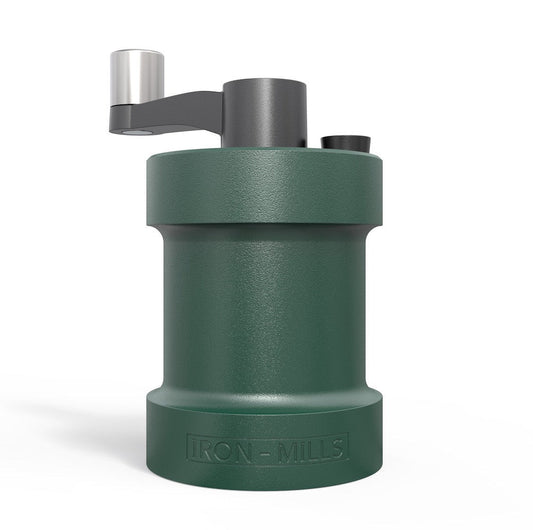
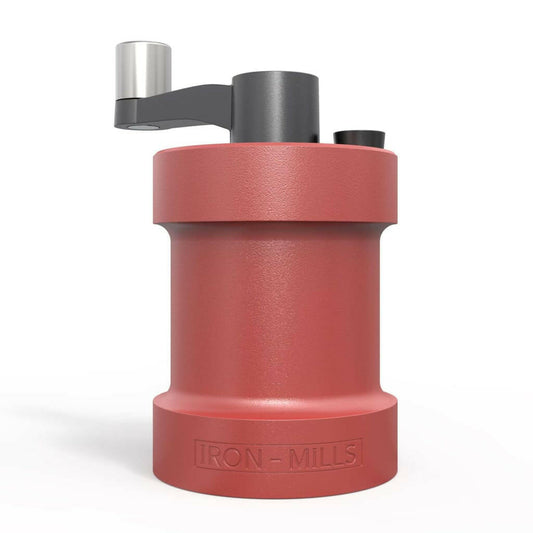
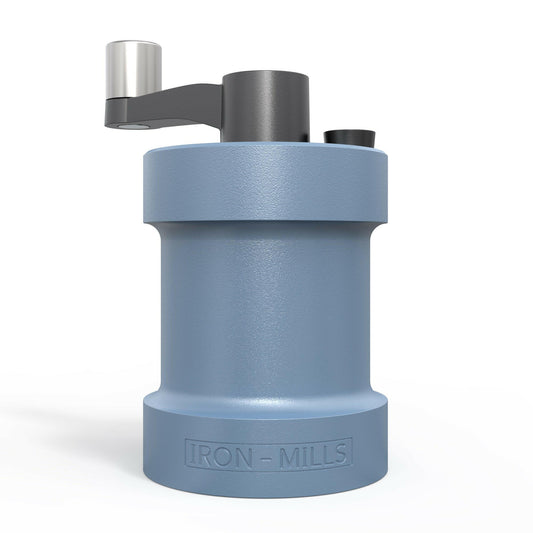
Iron-Mills makes this case plainly with cast iron seasoning mills built in Britain and backed by a 10-year warranty. That combination addresses the frustration at the heart of the category: nobody needs another grinder that gives up after a few months of proper cooking.
A final decision should come down to use. Choose a mill you will be happy to keep on the worktop, comfortable using every day and confident placing on the table when friends arrive. When a kitchen tool performs without fuss for years, the higher standard stops feeling like a luxury and starts feeling like common sense.