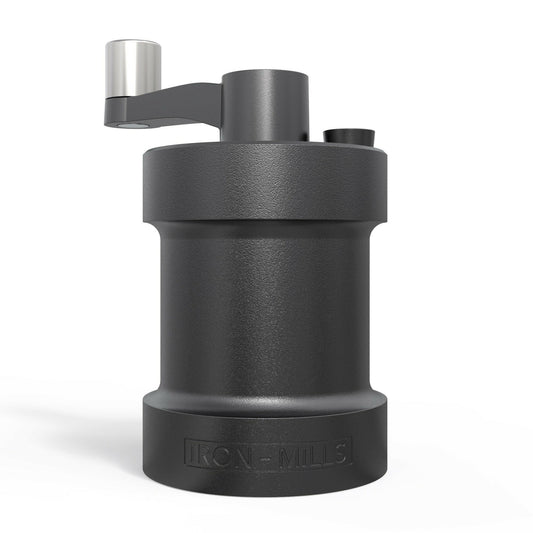
How to Clean Cast Iron Pepper Mill
A pepper mill that clogs, sheds old pepper dust or starts grinding unevenly is usually asking for one thing - proper care. If you are wondering how to clean cast iron pepper mill parts without damaging the finish or inviting rust, the good news is that the job is straightforward. The trick is knowing what to clean, what to leave alone and when moisture becomes the problem rather than the solution.
Cast iron is built for long service, but it does expect a bit of respect. Treat it like a cheap acrylic grinder and you will shorten its life. Clean it properly and it will keep doing its job with the solid, consistent performance that made you buy it in the first place.
Why cast iron pepper mills need a different approach
Most frustration starts with the wrong cleaning method. People assume every kitchen tool can be rinsed under the tap, scrubbed with washing-up liquid and left on the draining board. That is exactly the sort of treatment cast iron does not thank you for.
The exterior and grinding mechanism on a cast iron pepper mill are chosen for strength and longevity, not for soaking. Water left sitting in the wrong places can lead to oxidation, stale residue can affect flavour, and over-cleaning can do nearly as much harm as neglect. A good mill should feel dependable in the hand and precise in use, so the aim is maintenance, not punishment.
If you only use your mill for black peppercorns and refill it regularly, you may not need a deep clean often. If you have used flavoured pepper blends, mixed spices or left old contents sitting for months in a damp kitchen, it is worth being more thorough.
How to clean cast iron pepper mill safely
Start by emptying the mill fully. Tip out any remaining peppercorns and grind through the last few pieces to clear what is sitting in the mechanism. If the mill comes apart, disassemble only as far as the maker intends. There is no prize for forcing stubborn parts and creating a repair job.
Use a dry, stiff brush first. A small cleaning brush, pastry brush or even a clean toothbrush works well for lifting pepper dust from the grinding area and around threads, seams and adjustment points. This dry stage matters more than many people realise. Quite often, the problem is not grime in the usual sense but compacted spice particles.
For the inside chamber, wipe with a dry cloth or kitchen paper. If there is loose residue clinging to the interior, a soft brush will shift it. Avoid pouring water inside. Pepper absorbs moisture quickly, and even a little damp left behind can turn fresh peppercorns into a clogged mess.
If the exterior needs more than dusting, use a barely damp cloth - not a wet one. Wipe the cast iron surface gently, then dry it straight away with a clean towel. The key word is barely. You are removing kitchen grease or fingerprints, not giving it a bath.
Should you find any signs of surface rust, deal with them promptly but calmly. Light rust can often be removed with a dry cloth or a gentle rub using a soft brush. In more stubborn spots, a tiny amount of food-safe oil on a cloth can help lift the mark and restore the surface. Once done, wipe away any excess so the mill does not feel greasy in use.
What not to do when cleaning a cast iron pepper mill
This is where good mills are often let down by bad habits. Do not soak the mill. Do not put it in the dishwasher. Do not leave it to air-dry while moisture sits in joints or around the mechanism. And do not use harsh chemical cleaners that leave behind odours or residue.
It is also wise to avoid cleaning with vinegar or other acidic solutions unless the manufacturer specifically advises it. While these are often suggested for general household cleaning, they are not the default answer for cast iron components. The same goes for abrasive scouring pads on finished surfaces. They may remove more than the dirt.
If your instinct is to dismantle every screw and spring for a perfect clean, pause there as well. Some mills are designed for straightforward user maintenance; others are better left partially assembled. Over-handling internal parts can affect grind consistency, and that defeats the point of owning a well-made mill.
Deep cleaning a cast iron pepper mill
A deeper clean makes sense when flavours seem stale, the grind is inconsistent or the mill has been stored for a long stretch. In that case, empty it completely and brush out all visible residue. Then grind a small amount of dry rice or coarse stale bread through the mechanism, but only if the maker permits it. This can help pull out lingering pepper dust and oil build-up.
Rice is often recommended, but it is not right for every grinder. Some mechanisms cope with it perfectly well, while others are better served by brushing alone. If you are unsure, play it safe and stick to manual cleaning. A dependable mill should not need kitchen folklore to stay in working order.
Once the inner chamber and grinding path are clear, wipe accessible areas with a dry cloth. If the outer body looks dull, a very light touch of food-safe mineral oil on a cloth can help maintain the finish. Less is more here. You want protection, not slipperiness.
How often should you clean it?
That depends on how you use it. In an everyday kitchen, a quick exterior wipe and occasional brushing of the mechanism may be enough for weeks at a time. A more thorough clean every few months suits most households well.
If you cook often, keep the mill near the hob or live in a humid home, check it more regularly. Steam, grease and airborne moisture can all build up faster than expected. Likewise, if you are giving a pepper mill as a gift or bringing one out for a dinner party, a quick clean beforehand keeps it looking as solid and smart as it should.
Signs your pepper mill needs attention
You can usually tell before a full blockage happens. Pepper may come out unevenly, the adjustment may feel stiff, or the flavour may seem flat rather than bright and sharp. Sometimes the body simply looks tired from kitchen grease and handling.
That does not mean the mill is failing. More often, it means residue has built up in exactly the places where precision matters. A properly made cast iron mill is built for years of use, but even durable kitchenware performs better when it is not carrying around old pepper oils and dust.
Storage matters as much as cleaning
A clean mill stored badly will still give you trouble. Keep your pepper mill somewhere dry, away from direct steam and not pressed up against a kettle or cooker where condensation is common. That is especially true for cast iron, which rewards dry conditions and steady care.
Try not to overfill it either. Filling the chamber sensibly means peppercorns stay fresher and you have fewer stale remnants sitting at the bottom for months. Fresh contents, dry storage and routine brushing do more for performance than dramatic deep cleans ever will.
For households that care about buying once and buying well, this is the point. Good kitchenware should not be disposable. A cast iron pepper mill is meant to stay on the table, on the worktop and in service year after year, not end up forgotten in a drawer because it was treated like a gadget rather than a tool.
A simple care routine that works
If you want the practical version, keep it dry, brush out pepper dust now and then, wipe the exterior with restraint and deal with rust early. That is the backbone of how to clean cast iron pepper mill surfaces and mechanisms without shortening the life of the piece.
There is no need to fuss over it. A well-built mill, like those made for long-term everyday use at Iron-Mills, is designed to earn its place in the kitchen. Give it sensible care, and it will keep delivering the consistent grind, solid feel and lasting reliability that cheaper mills rarely manage.
Look after your pepper mill as you would any proper bit of kitchen kit - not delicately, just correctly - and it will return the favour every time you season a meal.