Why Cast Iron Salt Mills Last Longer
A salt mill usually earns attention only when it goes wrong. It jams halfway through supper, drops coarse lumps onto a carefully finished dish, or simply gives up after a few months of ordinary use. That is exactly why cast iron salt mills matter. They are made for cooks who are fed up with flimsy grinders and want something with proper weight, proper reliability and proper staying power.
The difference starts with expectations. Cheap mills are often bought as if they are temporary, almost disposable. They look fine on the worktop for a while, then the mechanism wears, the body loosens or the grind becomes inconsistent. A well-made cast iron mill sits at the opposite end of the spectrum. It is designed to be used daily, handled often and kept for years, not replaced the moment it starts to feel tired.
What makes cast iron salt mills different?
Material matters more than most people realise. Cast iron has a solidity that lighter materials simply do not replicate. In the hand, it feels reassuring rather than delicate. On the table, it has presence. In use, that weight helps create a steadier, more controlled grinding action.
That does not mean every heavy mill is automatically better. Design and machining still count. But cast iron gives a strong foundation for a product built around durability. It resists the sense of flex and fragility that often comes with cheaper alternatives, especially those made from thin plastics or lightweight metals that wear quickly under regular use.
There is also the question of long-term fit and finish. A seasoning mill is not a gadget used once a month. It lives by the hob, comes to the table, gets picked up with damp hands and works through weekday dinners and weekend roasts alike. A cast iron body is well suited to that sort of life. It feels like kitchenware rather than packaging.
Cast iron salt mills and everyday performance
Good seasoning is about control. Sometimes you want a coarse crunch over tomatoes or a steak, and sometimes you need a finer finish for soups, eggs or roasted vegetables. A decent mill should respond cleanly and consistently, not scatter salt unpredictably.
This is where many cheaper grinders let people down. The issue is not always dramatic failure. Often it is slower than that. The mechanism becomes rough, the output inconsistent, or the adjustment stops feeling precise. You end up twisting harder for worse results. Over time, cooking becomes that bit more irritating.
With cast iron salt mills, the appeal is not just that they are tough. It is that toughness supports better day-to-day use. A sturdy body and a quality grinding mechanism create a more dependable action. That matters whether you cook every evening or simply want kitchen tools that do their job without fuss.
There is a practical point here too. Salt is not kind to poor materials. Mills used regularly need to cope with repeated contact, movement and storage in a busy kitchen. Choosing a product made with long-term performance in mind saves both annoyance and replacement cost later on.
Why weight can be a good thing
Some people assume lighter always means easier. In kitchenware, that is not necessarily true. A bit of weight gives stability. It can make a mill feel more balanced in the hand and more substantial during use.
Of course, there is a trade-off. If someone wants the lightest possible table accessory, cast iron may not be their first choice. But for many home cooks, the extra heft is part of the appeal. It feels purposeful. More importantly, it reflects a product made to last rather than one made to hit the lowest price point.
The cost question - cheaper now or better over time?
Premium mills are not bought on impulse in the same way as bargain grinders. They cost more upfront, and there is no point pretending otherwise. The better question is what that higher initial price actually buys.
In most cases, it buys service life. It buys stronger construction, more reliable performance and less chance of replacing the thing in six months. For anyone who has already gone through a string of disappointing grinders, the value becomes fairly obvious. Buying cheap repeatedly is rarely cheap in the long run.
It also buys confidence. A kitchen tool that works properly every day earns its place quickly. You stop thinking about it because it stops causing problems. That sort of reliability is easy to underestimate until you have experienced the opposite.
For gift buyers, the equation is slightly different. A cast iron salt mill feels substantial in a way a standard grinder never does. It has presence, and it signals care. Whether for a wedding, a housewarming or Christmas, it is the sort of gift people use rather than tuck away in a cupboard.
Built to be kept, not replaced
There is a wider shift happening in how people buy for the kitchen. More shoppers are stepping away from throwaway products and looking for pieces that can stay in service for years. Not because it sounds worthy, but because constant replacement is a nuisance.
That is where British-made quality still carries weight. Craftsmanship, material honesty and a clear sense of provenance matter when people are deciding what deserves a permanent place in their home. A well-made mill should not feel anonymous. It should feel like something built with a standard in mind.
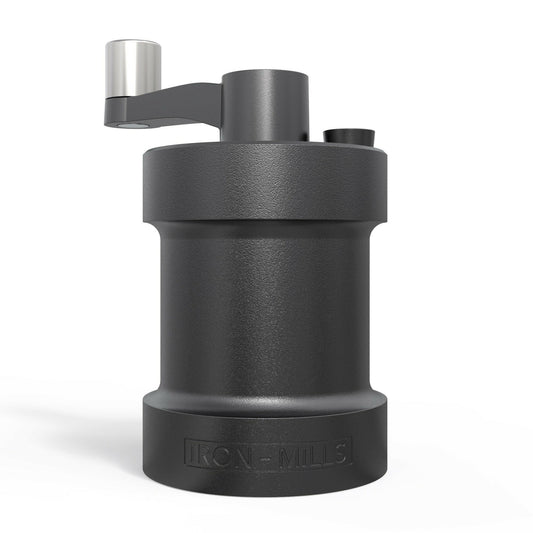
For brands such as Iron-Mills, that promise is straightforward - professional kitchenware that can stand up to real use. Free shipping and a 10-year warranty help build trust, but the real point is the product itself. If a mill looks the part but does not perform, the message falls apart quickly. Good construction is what makes every other promise believable.
Are cast iron salt mills right for every kitchen?
Not always, and that is worth saying plainly. If someone wants a bright, lightweight grinder to match a very specific decorative style, cast iron may feel more industrial or more traditional than they want. If the priority is the cheapest possible purchase today, there are plenty of lower-cost options.
But if the aim is reliability, a strong feel in the hand and a product that does not need replacing the moment regular use begins to show, cast iron makes a great deal of sense. It suits cooks who value performance over gimmicks and durability over novelty.
That same logic applies to aesthetics. Cast iron has a grounded, practical character. It looks at home in modern kitchens, country kitchens and busy family kitchens alike because it does not chase trends. It looks like it belongs near heat, chopping boards and good ingredients.
Choosing a salt mill without regret
The best buying decision usually comes down to a few plain questions. Does it feel solid? Is the grind likely to stay consistent with regular use? Is it made with the expectation of longevity, or simply saleability? And does the company behind it stand by what it sells?
Those questions cut through a lot of marketing noise. Plenty of mills are dressed up as premium because they have a polished finish or a fashionable silhouette. That is not the same as being built properly. Real quality shows up in use, especially after months and years rather than the first week out of the box.
A dependable mill should become part of your routine. It should work just as well over a pan of potatoes as it does at the dining table. It should feel just as suitable for a quick Tuesday pasta as it does for a roast shared with friends. In other words, it should earn its keep.
Why this choice changes the way a kitchen feels
There is something quietly satisfying about using kitchen tools with real substance. Not flashy, not overcomplicated, just honest pieces that do their job properly. A cast iron salt mill brings that kind of confidence into daily cooking.
It will not make a poor cook brilliant. It will not turn seasoning into theatre. What it does offer is far more useful - consistency, durability and the sense that one of the most reached-for tools in your kitchen is built to the same standard you expect from the food you make.
If you are tired of grinders that wobble, wear out or let you down just when you need them, that is reason enough to choose better and keep it for the long haul.