British Made Grinders That Earn Their Place
A pepper mill that jams halfway through supper is not a small annoyance. Nor is a salt grinder that turns stiff after a few months, sheds flakes of finish, or leaves you twisting harder than necessary for a dusting of seasoning. British made grinders appeal because they promise a better answer: a kitchen tool with the weight, materials and purpose to be used every day for years.
The phrase alone is not enough, of course. A mill earns its place on the worktop through how it feels in the hand, how consistently it seasons food, and whether it remains dependable long after the novelty of a new purchase has worn off. For cooks who are tired of replacing cheap grinders, those details matter.
What British made grinders should mean
Buying British made is about more than a flag on the box. It should point to accountable production, a clearer connection to the people making the product, and standards that can be checked rather than assumed. It also speaks to an older, more sensible idea of kitchenware: buy fewer things, but buy things made properly.
That does not mean every British-made mill must look traditional. Good design can be clean, modern and at home in a contemporary kitchen. What matters is that the construction is honest. The body should have substance. The moving parts should be made to work repeatedly. The finish should suit a life around heat, steam, hands and the occasional splash from the hob.
There is also a practical benefit to choosing a British maker. When a company stands behind its products with a meaningful warranty, it has made a public commitment to longevity. That is very different from a disposable grinder sold with no real expectation that it will still be in service a decade from now.
Why the material changes everything
Many low-cost mills rely on light materials because they are cheap to mould and quick to produce. They can look smart at first, but a mill is a working object. It is handled daily, refilled regularly and exposed to the knocks of a busy kitchen. Thin plastic and lightweight metal often reveal their limits quickly.
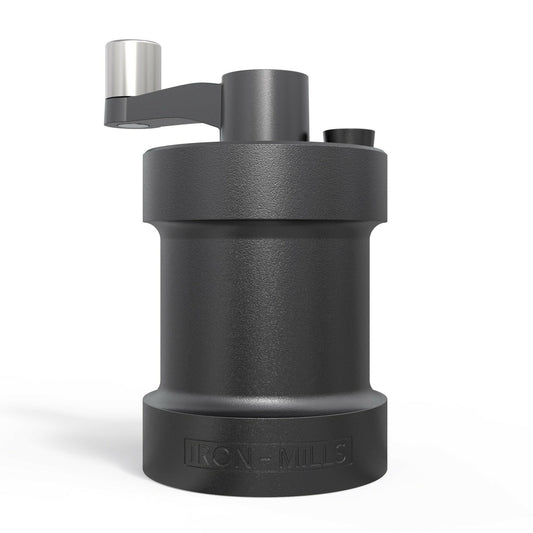
Cast iron takes a different approach. It has presence, weight and a reassuring solidity that makes seasoning feel controlled rather than fiddly. A well-made cast iron mill does not skate across the table when used one-handed. It sits firmly by the cooker, feels balanced in the palm and looks better for being used rather than hidden away.
Weight alone is not a guarantee of quality. A needlessly heavy mill with a poor grinding mechanism is still a poor mill. But when substantial material is paired with thoughtful engineering, the result is something that feels purposeful. It is designed for the daily rhythm of cooking, from seasoning a fried egg to finishing a Sunday roast for the table.
Cast iron also carries a character that polished, disposable kitchenware cannot imitate. Its surface has texture. Its form has confidence. It suits kitchens where tools are chosen for what they do, not merely for how they photograph.
The grinder mechanism is where performance shows
The outside of a mill may catch the eye, but the mechanism determines whether it earns repeat use. Peppercorns need to be cracked cleanly and delivered evenly. Salt needs a grinder suited to the job, particularly because salt can be unforgiving on unsuitable materials over time.
Consistency is the real test. A good mill should not produce a mixture of powder, whole peppercorns and unpredictable chunks every time you turn it. You want a reliable grind that gives you control over seasoning, whether you are building flavour in a sauce or adding a final crack of pepper to steak, salad or soup.
Adjustability can be useful, but it should be straightforward. Fine seasoning for sauces and dressings, a coarser grind for grilled vegetables or a generous plate of cacio e pepe - these are useful options. Yet an adjustment setting that slips, clogs or requires a degree in engineering is no benefit at all. The best kitchen tools make good results easier without demanding attention for themselves.
It is worth considering how you cook. If you season at the hob with one hand while stirring with the other, a solid, easy-to-grip body matters. If your mills live on the dining table, appearance and stability become part of the decision. If you cook frequently, capacity and simple refilling will save repeated irritation. There is no single perfect grinder for every household, but there are clear signs of one made without compromise.
British made salt and pepper grinders are a long-term purchase
The cheapest option can seem sensible until it has been replaced two or three times. A grinder that cracks, loses its mechanism or becomes difficult to turn creates waste as well as frustration. The initial saving soon looks less convincing when you are buying another one before the year is out.
A premium mill asks you to think differently. Instead of treating it as a minor accessory, treat it as an everyday piece of equipment. Like a good pan, a proper knife or a dependable chopping board, it does a simple job exceptionally well and stays with you.
That value is not only financial. A reliable mill improves small moments that happen every day. Seasoning becomes immediate and satisfying. You stop wrestling with a stiff mechanism. Guests notice the substantial object on the table. And when it is time to buy a gift for someone who enjoys cooking, you are giving them something useful enough to reach for constantly.
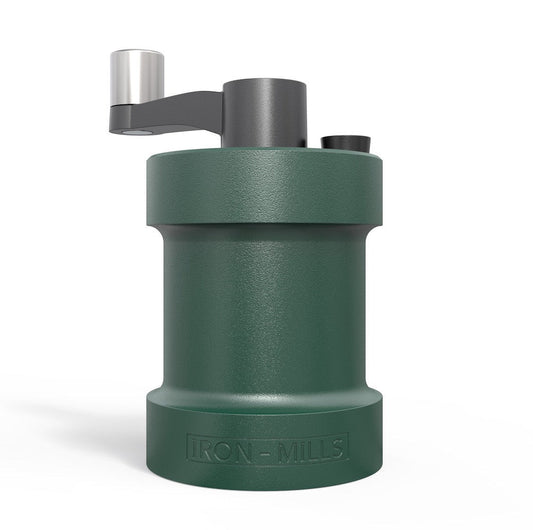
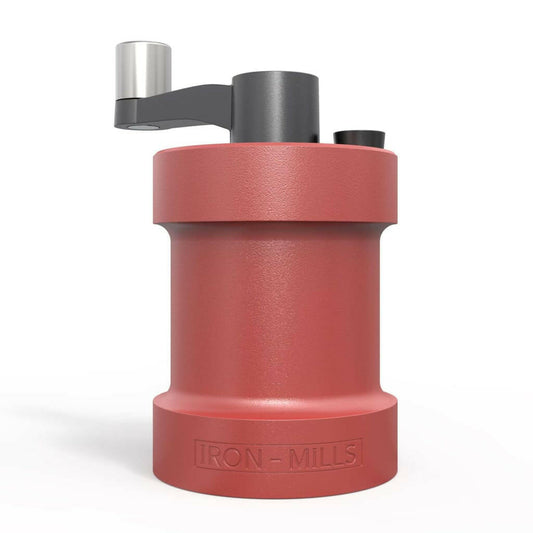
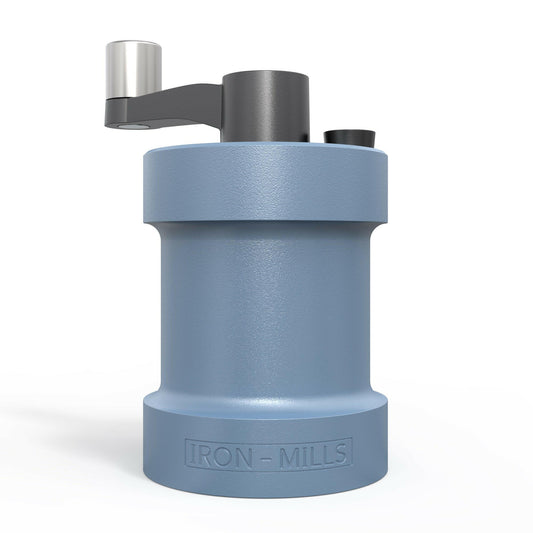
This is why guarantees matter. A 10-year warranty is not decorative wording. It is a statement that the manufacturer expects the mill to keep working and is prepared to stand behind that expectation. Iron-Mills builds its cast iron salt and pepper mills around that principle: professional kitchenware, built in Britain and made for long-term daily use.
What to check before you buy
Start with the basics: the material, the mechanism and the warranty. Look beyond a product photograph and ask whether the mill appears designed to be repaired, refilled and used hard, rather than simply displayed. A substantial body is promising, but the grinder needs to match it with dependable performance.
Next, check that the product is suited to its contents. Salt and pepper do not place identical demands on a mechanism, and a maker should be clear about what each mill is designed to grind. Consider the shape too. If the body is awkward, overly smooth or poorly balanced, it will be less enjoyable to use no matter how handsome it looks on a shelf.
Finally, consider the claim of British manufacture with a sensible eye. A trustworthy brand should be proud and specific about where its products are made, while also being clear about the standard it stands for. Heritage has real value when it is backed by workmanship, not used as a substitute for it.
Care that keeps a good mill working well
Even the best grinder benefits from straightforward care. Keep the exterior clean and dry, particularly around the base. Refill before the mill is completely empty where possible, and use good-quality peppercorns or dry salt suited to the grinder. Moisture is the enemy of smooth seasoning, especially for salt, so avoid leaving mills beside a steaming pan or washing them under the tap.
A cast iron exterior deserves the same common sense you would give any cherished kitchen tool. Wipe it down after use rather than soaking it, and do not leave it sitting in water. This is not fussy maintenance. It is the small habit that protects a piece of kitchenware made to serve for years.
The right grinder will never be the loudest item in your kitchen. It simply turns when you need it, seasons properly and remains ready for the next meal. Choose one with the substance to keep doing that job, and it may become one of the most used things you own.