Long Lasting Kitchenware Comparison
A long lasting kitchenware comparison starts where most disappointing purchases end: with the thing that broke, warped, chipped or simply stopped working properly far sooner than it should have. A peeling pan or a pepper mill that turns without grinding is not a bargain. It is clutter with a short delay.
For a kitchen that sees real use, durability is more than a handsome finish or a reassuring weight in the hand. It is the combination of sound material, sensible construction, repairable or replaceable parts where needed, and performance that stays consistent through years of breakfasts, Sunday roasts and dinner for friends.
What makes kitchenware genuinely long lasting?
The strongest kitchen tools are rarely the cheapest on the shelf, but price alone proves very little. A high price can buy a name, packaging or a fashionable colour. Lasting value comes from the parts you can inspect and the weaknesses a product does not try to hide.
Look first at the material. Cast iron, stainless steel, solid wood and thick glass each have their place because they cope with daily work in different ways. Then consider construction. A pan with a firmly riveted handle, a mill with a proper grinding mechanism and a utensil with a full, well-secured handle will usually outlast a lighter alternative assembled for low cost.
Finally, ask whether the product will still be useful when it bears the marks of use. Good kitchenware should acquire a little character without becoming unreliable. A few scratches on a steel mixing bowl are honest wear. A non-stick surface flaking into your eggs is not.
Long lasting kitchenware comparison: material by material
Cast iron: substantial, repairable and made for regular use
Cast iron earns its place through sheer staying power. Properly cared for, it can remain in service for decades. Its weight is not a flaw to be excused - it gives the material stability, helps it retain heat and makes it feel planted on the worktop or hob.
For cookware, cast iron rewards patient heating and basic care. It is not the quickest option for a rushed weekday meal, and bare cast iron needs drying after washing to prevent rust. Yet its surface can be maintained rather than discarded. Seasoning can be rebuilt, and its performance often improves with use.
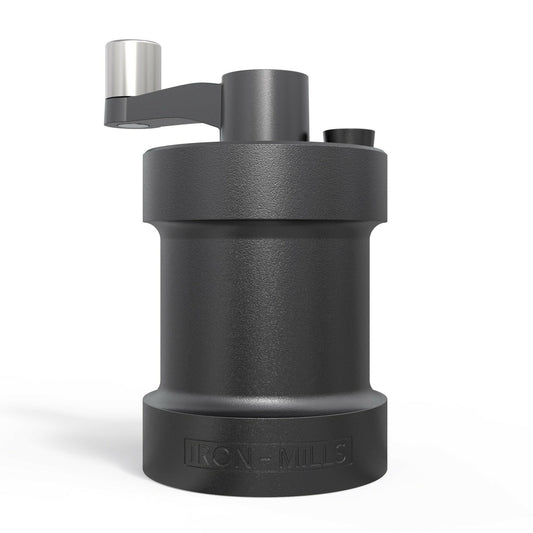
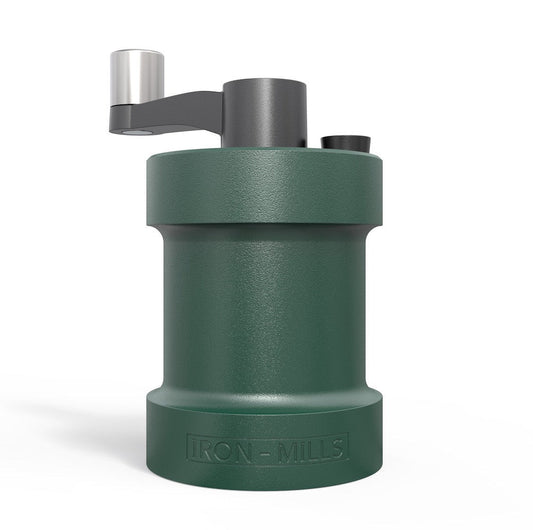
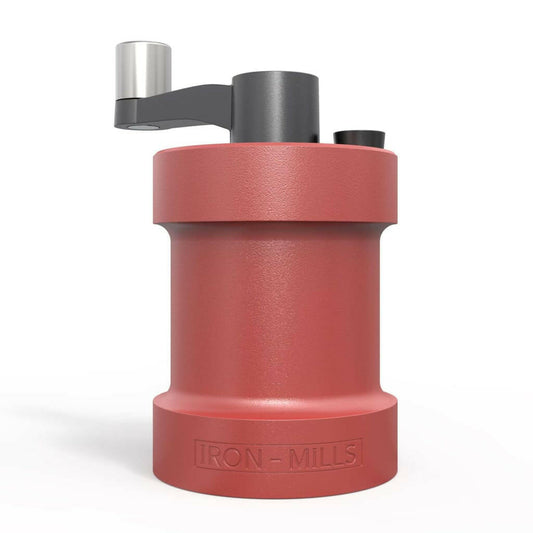
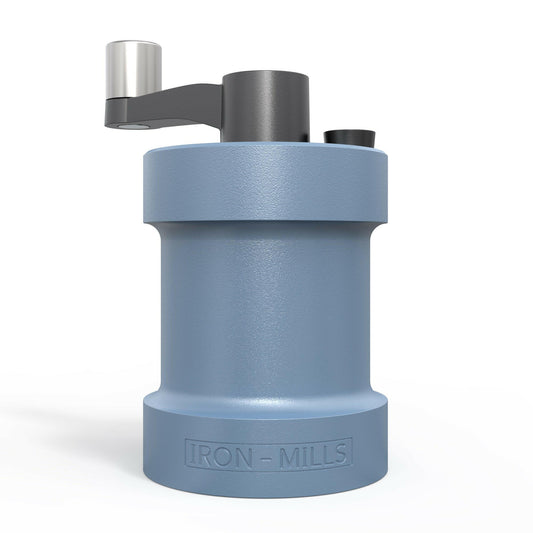
The same principle applies to well-made cast iron table and seasoning tools. A solid cast iron mill has the material presence to withstand regular handling, while a quality internal mechanism determines whether it keeps producing an even grind. The body alone is not enough. The working parts must be made to the same standard.
Stainless steel: the practical workhorse
Stainless steel is one of the safest choices for busy kitchens. It resists rust, does not absorb smells, tolerates frequent washing and handles acidic ingredients without complaint. Good stainless steel saucepans, bowls, utensils and roasting tins can work hard for many years with little more than ordinary care.
Its limitation is heat control. A thin stainless steel pan can develop hot spots and may warp under repeated high heat. Look for a substantial base, particularly on frying pans and saucepans. A bonded or layered base gives better heat distribution and makes the pan less likely to buckle over time.
Stainless steel is especially sensible where hygiene and easy cleaning matter most: mixing bowls, measuring tools, serving spoons and food storage. It may not always be the most romantic material, but it is remarkably difficult to wear out when properly made.
Wood: warm, useful and dependent on care
Wooden boards, spoons and rolling pins bring warmth to a kitchen, and good hardwood can last for years. Unlike hard metal utensils, wood is kind to cookware surfaces. It also feels better in the hand than cheap plastic, which can flex, stain and split.
Wood does need a little attention. Never leave it soaking in water, and refresh it occasionally with a food-safe oil. End-grain chopping boards are particularly hard-wearing because the knife cuts between fibres rather than repeatedly across them. They cost more, but a well-maintained board can outlast several thin, scarred boards bought on impulse.
Avoid treating every wooden item as heirloom material, however. Very thin boards, poorly glued handles and soft timber will still fail. Material quality and construction matter as much as the word “wood” on the label.
Ceramic, glass and enamel: excellent in the right role
Ceramic and glass can serve for decades, but they require a little more care around knocks and sudden temperature changes. A solid ceramic casserole dish, a tempered glass storage container or a well-fired serving bowl can offer lasting everyday value. Their weakness is obvious: one bad drop may end their working life.
Enamelled cookware sits somewhere between beauty and practicality. Quality enamel over cast iron is durable, easy to clean and excellent for slow cooking. Cheap enamel can chip, particularly around rims and lids, so inspect the finish before buying. A clean, even coating and a weighty base are good signs.
For pieces that stay on the table or sit in a cupboard, ceramic and glass can be excellent investments. For tools likely to be knocked about at the hob or passed through a busy household, steel and cast iron are usually the safer bet.
Where kitchenware fails first
Most kitchenware does not fail because its owner has been careless. It fails at the predictable weak points: loose handles, thin bases, cheap coatings, weak springs, plastic gears and poorly fitted lids. These are the details worth checking before you buy.
A pepper or salt mill is a good example. The outside may look polished, but the real test is the mechanism. Does it produce a reliable grind? Is the adjustment steady? Will the grinder cope with regular refilling, or will it clog, slip or crack after a season of use? A mill should not be treated as a disposable accessory when it is handled at nearly every meal.
Likewise, inspect cookware from underneath. A pan may appear substantial from above but reveal a thin base that is likely to warp. Lift the lid of a storage container. Twist a handle gently. Check how a joint is made. Durable products tend to look straightforward because they have nothing to disguise.
Buy fewer pieces, but buy with purpose
A lasting kitchen is not built by replacing every tool at once. Start with the objects that are used most often and cause the greatest irritation when they fail. For many homes, that means a dependable frying pan, a proper saucepan, a sharp knife, a solid chopping board and seasoning mills that work every time.
Choose a material for the job rather than trying to make one material do everything. Stainless steel is ideal for speed and low-maintenance cooking. Cast iron is superb for heat retention and long service. Wood is a natural choice for preparation and gentle stirring. Glass and ceramic bring value where presentation and storage are the priority.
This approach also makes gifting easier. A well-made kitchen tool has real presence because it says something useful: this is for the meals you will make, not the drawer you will fill. Iron-Mills is built on that belief, with British-made cast iron mills designed to stay in daily use rather than become another short-lived kitchen purchase.
Care is part of the comparison
Even the best materials need sensible treatment. Do not shock a hot pan under cold water. Dry cast iron and wood promptly. Avoid metal scourers on coatings that are not designed for them. Keep knives sharp, because a blunt blade forces more pressure and damages boards as well as food.
Care should be reasonable, not fussy. If a product needs an elaborate ritual simply to survive ordinary cooking, it may not suit your household. The right choice is the one whose upkeep fits naturally into how you cook.
A kitchen full of reliable tools changes the rhythm of daily cooking. You reach for what you need without checking whether the handle is loose, the coating is failing or the grinder will give up halfway through supper. That quiet confidence is worth paying for - and it is what long-lasting kitchenware should deliver, year after year.