Does Fresh Pepper Taste Stronger When Ground?
A pinch of pre-ground black pepper can make food taste faintly dusty. Turn a good mill over the same dish, and the difference is immediate: a warm, woody aroma rises before the pepper reaches the plate. So, does fresh pepper taste stronger? Usually, yes - but the reason is more interesting than simply adding more heat.
Freshly ground pepper delivers a fuller flavour because you release its aromatic oils at the last possible moment. It can taste brighter, warmer and more complex, with a sharper peppery kick. That is why professional kitchens keep pepper mills close to the pass, and why a dependable mill earns its place on the dining table as well as by the hob.
Why does fresh pepper taste stronger?
Black pepper gets much of its character from volatile oils - natural compounds that create its scent and much of the flavour you notice first. Once peppercorns are cracked, those oils begin to fade as they meet air, light and time. Pre-ground pepper has already been sitting with a large exposed surface area, often for months before it reaches your cupboard.
Whole peppercorns protect those oils inside their hard outer layer. Grind them only when you need them and more of that character reaches your food. The result is not necessarily a dramatically hotter meal. It is a livelier, clearer pepper flavour that holds its own against rich sauces, roasted meat, eggs and simple vegetables.
The heat itself comes chiefly from piperine. Fresh grinding does not create more piperine, but it does give you a more complete experience of pepper: fragrance, warmth, slight citrus notes and a lingering bite. When people say fresh pepper tastes stronger, they often mean it tastes more present.
Aroma is the part most people miss
Taste and smell work together. If you grind pepper over a bowl of tomato soup, the first thing you notice is the aroma travelling upwards. That fragrance prepares the palate for what follows and makes the seasoning seem more powerful.
Pre-ground pepper can still add heat, particularly if you use plenty of it, but it rarely has the same top notes. Think of the difference between a spice jar opened for the first time and one that has been left half-empty at the back of the cupboard. Both contain pepper, but only one feels properly alive.
This matters most in dishes with clean, uncomplicated flavours. Cacio e pepe, a fried egg on toast, buttered new potatoes or a good steak leave room for pepper to be noticed. In a heavily spiced curry or slow-cooked casserole, the distinction may be less obvious, though freshly ground pepper still adds a welcome finish.
Grind size changes the flavour too
Freshness is only half the story. The size of the grind affects how pepper behaves in a dish.
A fine grind disperses quickly and gives an even, familiar warmth. It suits soups, sauces, mashed potato and recipes where you want pepper in every mouthful without seeing it. A coarser grind creates small bursts of flavour. It is particularly good over steak, salads, roasted vegetables and creamy pasta, where the pepper can remain distinct.
Very coarse pepper is not automatically better. Large fragments can feel harsh or gritty if they have not had time to soften in the food. For a pepper crust on meat, that bold texture is part of the point. For a delicate omelette, it can overpower the dish. A good mill gives you the choice instead of leaving you stuck with one uneven setting.
Fresh peppercorns are not all the same
The word “fresh” can mean two things here. It usually means freshly ground, rather than peppercorns picked recently from the plant. In a home kitchen, whole, properly stored peppercorns are the practical route to fresher flavour.
Their quality matters. Peppercorns should smell fragrant when crushed between your fingers, not stale, musty or flat. Black pepper is the everyday standard: bold, warm and versatile. White pepper is earthier and more direct, useful when you want seasoning without black flecks in a pale sauce or mashed potato. Green peppercorns are milder and fresher in character, while pink peppercorns bring a light, fruity note rather than classic pepper heat.
For day-to-day cooking, buying whole black peppercorns in sensible quantities is wiser than stocking a huge bag for years. Store them in a cool, dry cupboard, away from steam and direct sunlight. A mill should be topped up as needed, not treated as a permanent storage container beside a boiling kettle.
When should you grind pepper?
For maximum aroma, grind pepper close to serving. A final turn over a finished risotto, a salad or a plate of grilled fish gives the pepper its best chance to shine. The oils are still intact, and the fragrance meets the diner rather than disappearing into the pan.
That does not mean pepper should only ever be added at the end. Grinding some in during cooking builds a deeper background warmth, especially in stews, ragùs and sauces. The sensible approach is often both: season during cooking, then finish with a little more fresh pepper before serving.
There is one trade-off. Pepper can become bitter if it is fried hard for too long, particularly when ground finely. If you are starting a dish with oil, spices and onions, add pepper later than you would add whole seeds such as cumin or mustard. Let it warm through rather than scorch.
Why the mill matters
Tired of cheap mills that clog, slip or produce a mixture of powder and boulders? They make good peppercorns work harder than they should. Consistent grinding is what gives you control over flavour from one meal to the next.
A properly made pepper mill should feel stable in the hand, turn without strain and produce the setting you select. Its grinding mechanism needs to crack peppercorns cleanly, rather than crush them into uneven dust. That helps you move from a fine grind for a sauce to a coarse finish for a Sunday roast with confidence.
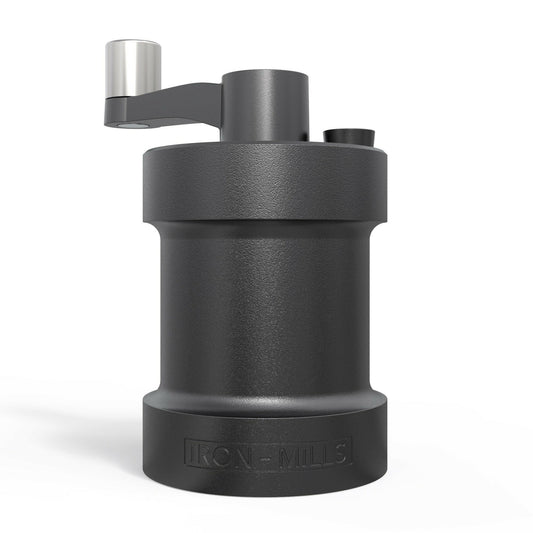
Durability matters here as much as appearance. A pepper mill is used constantly, often with wet hands and busy pans nearby. It should be substantial enough for everyday cooking, not a throwaway gadget that gives up after a few months. Iron-Mills cast iron mills are made for exactly that kind of lasting, practical work: dependable seasoning without the fuss.
How to get the best flavour from freshly ground pepper
Start with whole peppercorns that smell lively and use a grind suited to the food in front of you. Keep the mill clean and dry, especially around the mechanism, and avoid leaving it where cooking steam can work its way inside. Moisture causes clumping and can make any mill less consistent.
Then season with purpose. Pepper should support the dish, not cover it. Add it in stages when cooking something long and slow, but reserve a final grind for the moment you serve. That last layer is where freshly ground pepper earns its reputation.
The next time a meal tastes as though it needs something, do not reach automatically for more salt. Give it a few turns of fresh pepper first. A small, well-timed change can make ordinary ingredients taste properly finished.