Best Kitchen Tools for Seasoning That Last
A proper meal rarely needs more ingredients. It needs better judgement at the moment of seasoning. The best kitchen tools for seasoning give you control over that final, decisive step - whether you are finishing a roast, balancing a tomato sauce or bringing a simple fried egg to life.
Cheap grinders, damp salt pots and vague handfuls of dried herbs make that control harder than it needs to be. A well-chosen set of tools earns its place on the worktop because it performs day after day, looks at home in a proper kitchen and does not need replacing after a few months.
Start with mills that do the hard work
Salt and pepper are the foundations of almost every savoury dish, so the mills you use matter more than most people expect. Pre-ground pepper soon loses its warmth and aroma, while coarse sea salt needs a reliable mechanism to turn it into an even seasoning rather than an unpredictable shower of large crystals.
A good pepper mill should produce a consistent grind, from a fine finish for a creamy sauce to a coarser crack for steak, mushrooms or roast vegetables. A salt mill should handle dry salt cleanly without clogging. What matters is not a drawer-full of novelty shakers, but two dependable mills that feel solid in the hand and work without fuss.
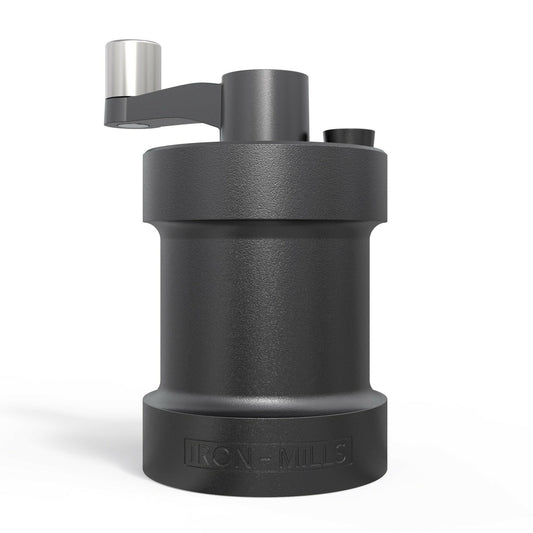
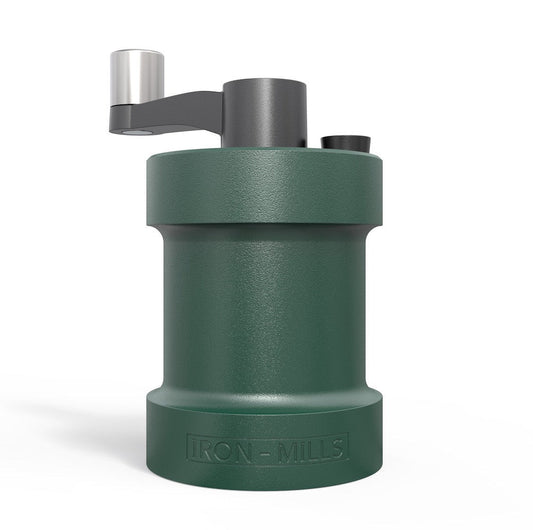
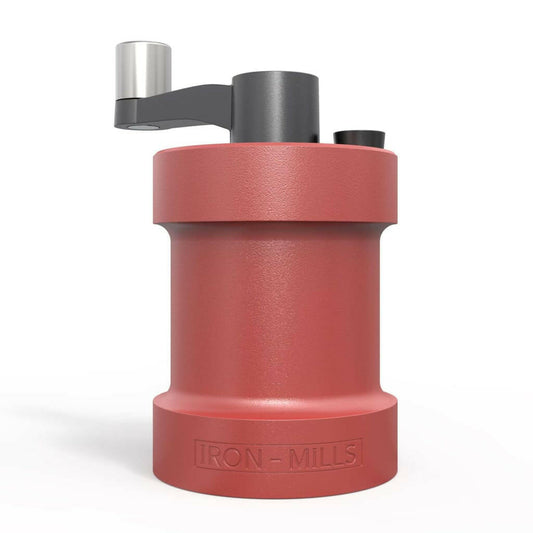
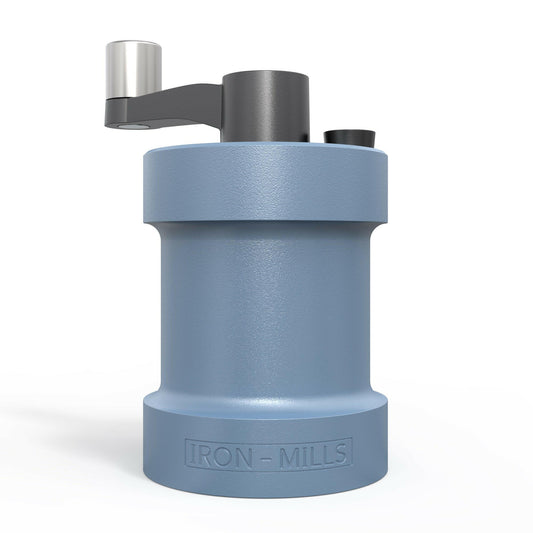
Material is part of the decision. Lightweight plastic mills can feel convenient at first, but they are often the first tools to crack, jam or lose their grip. A substantial cast iron mill has the weight and presence to stay steady during use, while offering the kind of durability expected from a tool used at every meal. Iron-Mills are built in Britain for exactly this role: professional-grade seasoning mills made for long-term daily cooking rather than short-term replacement.
Keep salt and pepper mills close to the hob and table. If they are buried in a cupboard, seasoning tends to become an afterthought. When they are to hand, you taste, adjust and finish dishes properly.
Choose the grind for the food, not the habit
Fine pepper disperses quickly through soups, gravies and sauces. Coarser pepper gives a more distinct bite and works particularly well on grilled meat, salads and buttery eggs. Salt follows a similar rule. Fine salt is useful when it must dissolve quickly; larger flakes are best added at the end, where their texture can still be noticed.
One adjustable mill can cover much of this ground, provided its mechanism is reliable. If you regularly cook for guests or enjoy a wide range of cuisines, separate mills or settings for different salts and peppers can be worthwhile. For most home kitchens, though, consistency beats excess.
Measuring tools that make flavour repeatable
Seasoning by instinct is satisfying, but it becomes far more useful when it rests on a dependable baseline. Measuring spoons are among the best kitchen tools for seasoning because they stop a favourite curry rub, marinade or dressing from changing wildly each time you make it.
Choose metal measuring spoons with clear markings that will not rub away. They are more durable than thin plastic and easier to clean after sticky ingredients such as honey, mustard or chilli paste. A set that includes quarter-teaspoon, half-teaspoon, teaspoon and tablespoon measures will deal with most recipes.
A small digital scale is equally valuable if you bake bread, make sausage, cure fish or prepare larger batches of spice blends. Salt is one area where weight brings real precision. A level teaspoon of different salts can vary considerably because crystal size changes the amount that fits in the spoon. Weighing removes the guesswork.
This does not mean cooking should become laboratory work. Measure when building a recipe, then taste as you go. The measurement gives you a reliable starting point; your palate makes the final call.
Keep herbs and spices in working order
The tool is only half the story. Even the finest mill cannot rescue seasoning that has gone stale in a sunny cupboard. Whole spices, dried herbs and ground blends all lose character over time, especially when exposed to heat, light and moisture.
A sturdy spice grinder or pestle and mortar is worth considering if you cook with cumin, coriander, fennel, cardamom or peppercorns. Grinding spices shortly before cooking releases fresher aroma and gives you more authority over texture. A pestle and mortar takes a little more effort, but it is particularly useful for crushing garlic, fresh herbs, citrus zest and spices into a rough paste for marinades.
For speed, an electric grinder is practical. Keep one reserved for spices rather than coffee, as the aromas linger. For character and versatility, a heavy mortar and pestle is difficult to beat. It depends on how you cook: weekday meals may favour speed, while leisurely weekend cooking often rewards the hands-on approach.
Store dried spices in labelled, airtight containers away from the cooker. Clear jars look tidy, but they should sit inside a drawer or cupboard rather than on an exposed shelf. Buy modest quantities of spices you use occasionally, and replenish them when their scent becomes faint. Seasoning should smell like something before it ever reaches the pan.
Use a pinch bowl, not the packet
A small pinch bowl beside the hob is a modest tool with a noticeable effect. Fill it with the salt you are using for cooking, then add pinches with your fingers rather than shaking directly from a packet over steam. You gain better control, keep moisture out of the main supply and avoid over-seasoning a dish in one careless pour.
This is especially useful with flaky finishing salt. Large, delicate flakes are easily crushed in a grinder and can disappear into food if added too early. Keep them in a covered bowl or small cellar and add them immediately before serving to roasted vegetables, fish, salads or chocolate desserts.
A salt cellar is not essential for every kitchen, but it is a thoughtful upgrade for anyone who cooks regularly. Look for one with a lid that protects the contents without making access awkward. The best tools remove friction from good habits.
Do not overlook the tasting spoon
Seasoning without tasting is guesswork, however expensive the equipment may be. Keep a supply of teaspoons by the cooker and use a clean one every time you check a sauce, soup or stew. It is a simple discipline, but it separates food that is merely cooked from food that has been properly finished.
Taste at several points. Salt early enough for it to season the ingredients, then taste again before serving. Pepper is often at its best later in the process, when its fragrance remains clearer. Acid, such as lemon juice or vinegar, can make a dish taste more seasoned without adding more salt. A small knob of butter can soften a sharp sauce; fresh herbs can lift one that feels flat.
The point is not to add more of everything. It is to identify what is missing. A reliable set of tools lets you make those adjustments deliberately.
Build a seasoning kit that suits your kitchen
There is no prize for owning every gadget. For most households, a strong starting kit is a dependable salt mill, a dependable pepper mill, metal measuring spoons, a small digital scale and a covered salt cellar or pinch bowl. Add a pestle and mortar if you enjoy fresh spice pastes and whole spices.
Buy the tools you will reach for several times a week, not the ones that promise a dramatic transformation from the back of a drawer. Weight, comfort, cleanability and repairable quality all matter. A tool that feels well made invites use; one that sticks, cracks or scatters seasoning across the worktop does the opposite.
Good seasoning is built through attention, not theatrics. Put reliable tools within reach, use them with purpose and let every meal benefit from that final, confident adjustment.