Pre-Ground Versus Fresh Pepper: Is It Worth It?
A good peppery finish can lift a fried egg, sharpen a creamy pasta sauce or bring a proper roast into focus. Yet the difference between pre-ground versus fresh pepper is often overlooked until you taste them side by side. One is convenient and consistent; the other is fuller, brighter and far more expressive. For everyday cooking, that difference is worth understanding.
Pre-Ground Versus Fresh Pepper: The Real Difference
Black pepper gets its character from aromatic oils held inside each peppercorn. These oils carry the warm, woody, citrus-like scent that makes freshly cracked pepper so recognisable. Once pepper is ground, more of its surface is exposed to air, light and moisture. The flavour does not disappear overnight, but it steadily loses its liveliness.
That is why a tin of pre-ground pepper can taste dusty, flat or simply hot, particularly if it has sat at the back of the cupboard for months. Freshly ground pepper releases its aroma at the moment it meets the food. You smell it before you taste it, and that scent is a large part of what makes a dish feel properly seasoned.
Fresh pepper is not automatically better in every situation. The question is not whether pre-ground pepper is unusable. It is whether the convenience it offers matters more than the flavour and control you give up.
Why Freshly Ground Pepper Tastes Better
The case for grinding peppercorns fresh is straightforward: less time exposed to air means more flavour reaches the plate. Fresh pepper has a clean bite and a rounded warmth rather than a one-dimensional burn. It works particularly well where pepper is a visible, deliberate part of the dish, such as cacio e pepe, steak au poivre, mushroom risotto or a simple tomato salad.
Texture matters just as much. A freshly ground coarse pepper adds small bursts of flavour and a pleasant crunch. A fine grind disappears more readily into sauces, soups and scrambled eggs. With pre-ground pepper, you are generally stuck with one texture, whether it suits the dish or not.
There is also a practical advantage at the table. A few turns of a quality mill over finished food give you a fragrant final seasoning without overloading the dish with salt. It is a small detail, but it is the sort of detail that makes familiar food taste considered.
Peppercorn quality still counts
A mill cannot improve stale or poor-quality peppercorns. Look for whole black peppercorns that are dry, firm and reasonably even in size. They should smell fragrant when crushed, not musty. Buying modest quantities and keeping them in a cool, dark cupboard will preserve their character far better than buying a large bag that lingers for years.
Different peppercorns also bring different notes. Tellicherry peppercorns are often prized for their depth and warmth, while white pepper is earthier and useful when you want pepper flavour without black flecks in a pale sauce. Green peppercorns have a fresher, milder profile. Whole peppercorns give you the freedom to choose, rather than treating pepper as one fixed ingredient.
When Pre-Ground Pepper Makes Sense
Pre-ground pepper has earned its place in plenty of kitchens. It is quick, easy to measure and useful in recipes where pepper is mixed into a dry rub, marinade or large batch of seasoning. If you are cooking for a crowd, packing a picnic or simply need a pinch in a hurry, there is no need to make a ceremony of it.
It can also be helpful in baking and spice blends, where a reliably fine texture is more useful than a coarse crack. A classic pepper biscuit, for example, may call for pepper that disperses evenly through the dough. In these cases, fresh grinding may not offer a noticeable return for the extra effort.
The sensible approach is to use pre-ground pepper for background seasoning and save whole peppercorns for dishes where pepper has a starring role. If you keep a small jar of pre-ground pepper, replace it regularly rather than treating it as a permanent cupboard fixture. It is cheap, but it should not be immortal.
Grind Size Changes the Dish
Fresh pepper is not one thing. The grind you choose affects how quickly the pepper releases flavour, how it feels in the mouth and where it works best.
A fine grind is suited to sauces, dressings, omelettes and soups, where you want an even warmth without distinct pieces of pepper. Medium-ground pepper is the reliable all-rounder for everyday cooking, from bolognese to roast vegetables. Coarse pepper is bolder and more textural, ideal for steaks, grilled mushrooms, peppercorn sauces and the final seasoning of salads.
This control is one of the strongest arguments for a proper mill. Some inexpensive grinders can deliver an uneven mixture of dust and large fragments, then clog or loosen when you need them most. A dependable mill gives a consistent grind and lets you season with confidence rather than shaking out whatever happens to fall.
Should You Add Pepper During Cooking or at the End?
Both, depending on what you are making. Adding pepper early allows it to mellow and blend into the dish. In a stew, curry or slow-cooked ragu, this can create a gentle background warmth. But prolonged heat softens some of pepper's more delicate aromas.
For that reason, many dishes benefit from a second addition at the end. Season early for depth, then add a few turns just before serving for fragrance and a livelier finish. This is especially effective with buttery vegetables, eggs, creamy sauces and meat resting after cooking.
Be cautious with very high heat. Pepper can scorch in a dry pan and become bitter. If you are searing a steak, season it with salt before cooking and add much of the freshly ground pepper once the steak has rested. You will retain more of its aroma and avoid a burnt edge.
The Mill Matters More Than You Might Think
A pepper mill is used often, usually with one hand busy and the pan already hot. It should feel solid, turn cleanly and deliver pepper without fuss. That is not a luxury. It is basic kitchen equipment doing a regular job properly.
A well-built mill also encourages you to use fresh pepper more often. When a grinder is flimsy, difficult to refill or inconsistent, it gets pushed to the back of the cupboard and the pre-ground tin returns by default. A substantial mill with a reliable mechanism makes fresh seasoning part of ordinary cooking, not something reserved for dinner guests.
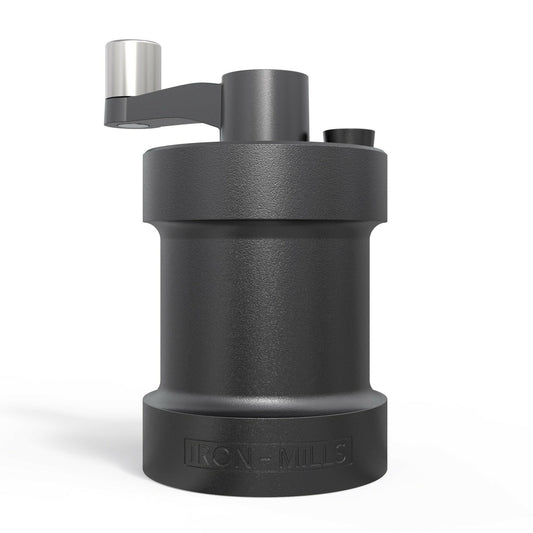
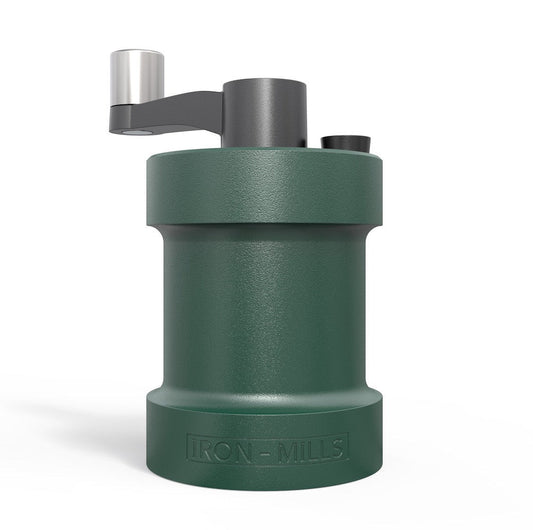
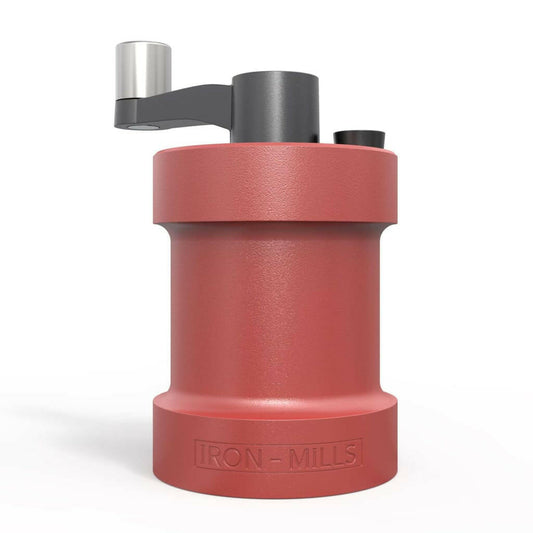
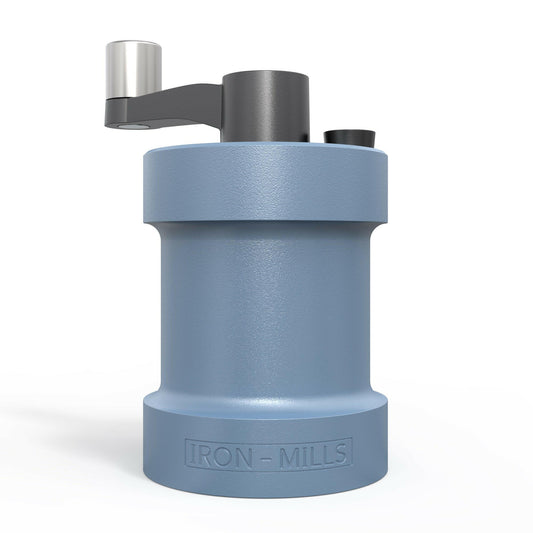
Iron-Mills stainless steel pepper mills are designed for precisely that sort of everyday use: substantial in the hand, straightforward in purpose and built with durability in mind. With duplex stainless steel bodies and dedicated pepper grinding mechanisms, they're designed to be used regularly and enjoyed for years.
How to Get the Best From Fresh Pepper
Keep peppercorns away from the heat and steam of the hob. A shelf or cupboard is better than leaving them beside a boiling kettle, where moisture can affect both the pepper and the grinding mechanism. Refill the mill before it runs completely empty, and wipe its exterior with a dry cloth rather than soaking it.
Use freshly ground pepper with intention. Try a fine grind in a leek and potato soup, medium pepper in a cottage pie filling, and a coarse finish over buttered new potatoes. Taste as you go. Pepper builds quickly, but its effect changes depending on fat, acidity and heat.
A final turn of fresh pepper will not rescue an under-seasoned dish on its own. It can, however, provide the aroma, warmth and texture that make a straightforward meal feel finished. Keep pre-ground pepper for the jobs where speed and uniformity genuinely matter, but give whole peppercorns a good mill when flavour deserves a proper say.