Why Salt Mills Corrode and How to Prevent It
You notice it when the grind starts to feel rough. Then the handle stiffens, the burrs drag, and one day there is that tell-tale dusting of rust where a kitchen tool should be clean and dependable. If you have ever wondered why salt mills corrode, the short answer is simple: salt is unforgiving, and poor materials do not last long in its company.
That is the heart of the problem. A salt mill lives in one of the harshest little environments in the kitchen. Dry salt itself seems harmless enough, but salt attracts moisture from the air. Add steam from cooking, damp worktops, wet hands and cheap internal parts, and corrosion becomes a matter of time rather than bad luck.
Why salt mills corrode in the first place
Salt is not just a seasoning. Chemically, it is highly aggressive to many metals, especially when moisture is involved. On its own, dry salt crystals are less of an issue. The trouble begins when those crystals pull water from the atmosphere and create a thin salty film on metal surfaces.
That film acts as an electrolyte. In plain English, it speeds up the electrochemical reaction that turns ordinary steel into rust. If the grinding mechanism, screws, springs or shafts are made from low-grade metal, corrosion can begin surprisingly quickly. This is why a mill can look smart on the outside while quietly failing inside.
The kitchen makes things worse. A mill kept beside the hob is exposed to bursts of steam. A mill used over a simmering pan gets hit with warm moisture directly from below. Even storage matters. If it lives near the sink, in a humid room, or on a windowsill that gets condensation, corrosion has the conditions it needs.
The real culprits are material and design
Not every salt mill corrodes at the same rate. Some fail in months, while others keep working properly for years. The difference usually comes down to what is hidden inside.
A cheap mill often uses standard steel components because they are inexpensive to manufacture. That keeps the retail price low, but it is a false economy. Standard steel and salt are poor companions. Once the protective finish wears, chips, or was never very good to begin with, corrosion can set in quickly.
A better-made salt mill uses corrosion-resistant materials for the grinding mechanism and critical internal parts. Ceramic is a common choice because it does not rust. Certain treated or specially selected metals can also perform well if the engineering is sound. What matters is not just the headline material, but the entire build. One weak spring, one poor-quality screw, or one untreated shaft can compromise the whole mechanism.
Design also plays its part. If a mill allows salt dust to collect around metal fittings, or if the body traps moisture where it cannot evaporate, the risk rises. A well-designed mill keeps the working parts protected, stable and suited to repeated use in a real kitchen, not just a showroom photo.
Why salt is harder on mills than pepper
People often assume salt and pepper mills are interchangeable. They are not.
Peppercorns are dry and oily, but they are not especially corrosive. Salt is different. It is crystalline, abrasive and moisture-loving. That means a grinder built for pepper may feel fine at first when filled with salt, but its internal parts can degrade much faster than intended.
This is one of the main reasons people end up replacing mills again and again. They buy a matching set made to look the part, not necessarily to withstand the job. A salt mill needs its own proper engineering. If it has simply been styled to match the pepper mill without accounting for corrosion, the lifespan will be limited.
Small habits that speed up corrosion
Sometimes the problem is the mill. Sometimes it is how the mill is used. Usually, it is a bit of both.
Grinding salt directly over a steaming saucepan is a common culprit. It feels natural while cooking, but steam rises straight into the mechanism. Over time, that moisture mixes with salt particles and settles where it can do damage. Likewise, setting the mill down on a damp surface or handling it with wet fingers gives salt the moisture it needs to become more aggressive.
The type of salt matters too. Very damp sea salt, or salt blends with added flavourings and moisture, can be harder on a mechanism than dry, coarse salt crystals. If the salt clumps in the chamber, it may indicate the environment is already too humid for the mill to stay in good order.
Cleaning mistakes can do their share of harm. Rinsing the mechanism under the tap is one of the quickest ways to shorten a salt mill's life, especially if the internal parts are metallic. A mill is not a saucepan. Too much water gets into the places that matter most.
Signs your salt mill is starting to corrode
A failing salt mill usually gives warning before it gives up altogether. The grind may become uneven or stiff. You might notice resistance where the action used to feel smooth. The adjustment mechanism can stick, or the handle may squeak and bind.
Visible rust is the obvious sign, but not the only one. White crusting around joins or fastenings can indicate salt build-up and moisture retention. A metallic smell, discolouration around the mechanism, or flakes falling from the grinder are all signs that the internals are under strain.
At that point, the issue is rarely cosmetic. Corrosion affects performance. Once the grinding surfaces or moving parts begin to degrade, consistency suffers. You stop getting a clean, reliable grind and start wrestling with the tool.
How to stop a salt mill from corroding
The first step is choosing the right mill. That sounds obvious, but it is where most frustration starts. If a mill is made with unsuitable internal materials, careful use will only slow the inevitable. Good engineering matters more than clever packaging.
After that, the day-to-day habits are straightforward. Keep the mill away from direct steam. Grind into your hand or away from the pan if you are cooking over heat, then add the salt where you want it. Store the mill somewhere dry and stable, not beside the sink or in a patch of regular condensation.
Use dry salt that is suitable for a mill. If the crystals feel damp or clump easily, let them dry out before filling. When you refill, wipe the exterior and the opening with a dry cloth first. If the mechanism needs cleaning, use a dry brush or cloth rather than water.
It is also worth checking whether the mill is intended specifically for salt. That detail gets overlooked. A proper salt mill is designed around the material it is handling, not simply adapted after the fact.
What to look for if you are replacing one
If you are tired of cheap mills that do not last, ignore the glossy promises and inspect the fundamentals. Ask what the grinding mechanism is made from. Ask whether the internal parts are built to resist corrosion. Ask whether the mill is meant for long-term daily use or just occasional table duty.
Weight and build quality tell you something as well. A substantial mill usually reflects better materials and more serious construction, though not always. The best ones feel solid because they are solid. They are made to work repeatedly, not to be discarded when the first signs of wear appear.
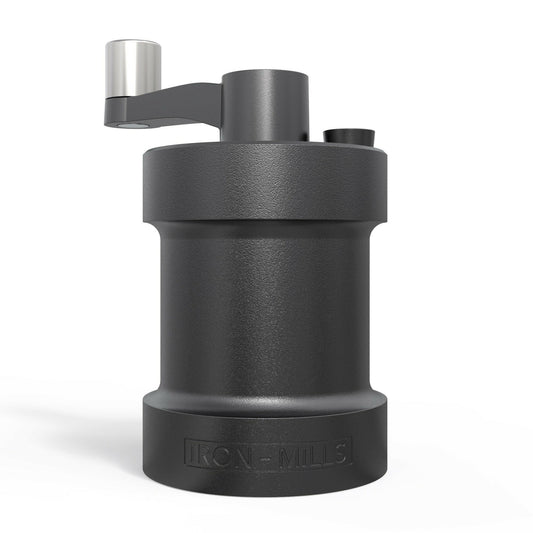
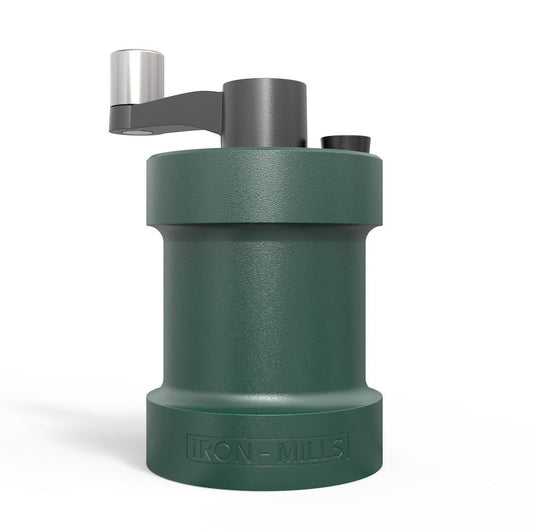
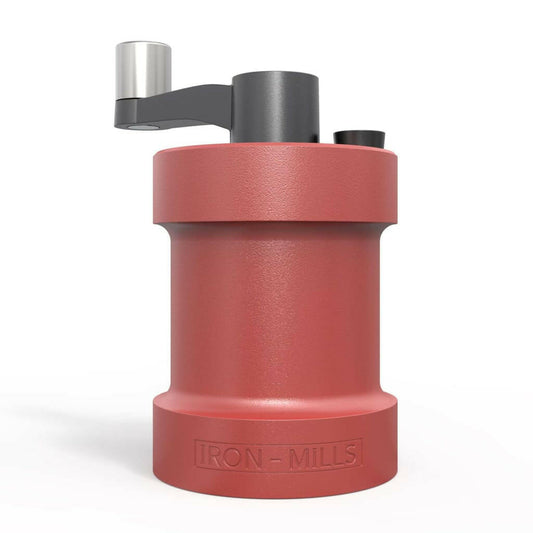
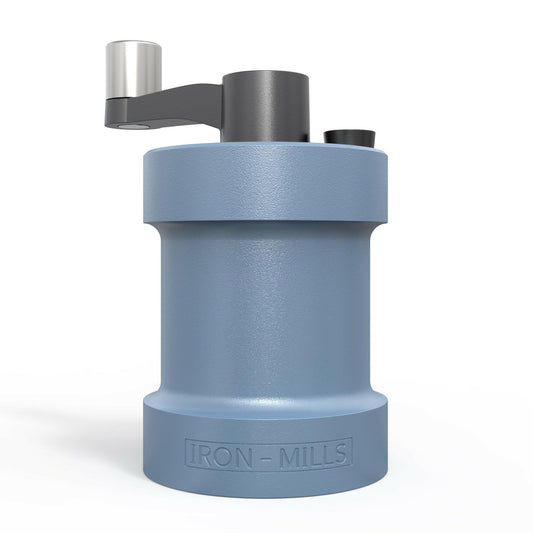
This is where British-made quality still means something. A well-built mill should feel like a kitchen staple, not a temporary accessory. Brands such as Iron-Mills put durability at the centre of the design for good reason: when salt is involved, there is no room for flimsy internals or corner-cutting.
It is not just about rust - it is about reliability
When people ask why salt mills corrode, they are usually asking a bigger question: why do so many kitchen tools fail long before they should? The answer is usually compromise. Cheap materials, generic mechanisms and design choices made around price rather than performance.
A salt mill has one job, but it needs to do that job in a harsh environment, day after day. If it is built properly, that is not a problem. If it is not, the failure is built in from the start.
Buy for the conditions, not the label. Keep it dry, keep it away from steam, and choose a mill made for salt rather than one that merely claims to cope with it. A dependable kitchen tool should earn its place over years of use, not lose a fight with seasoning after one damp winter.