Fresh Pepper Benefits Worth Grinding For
A properly seasoned fried egg tells you more about a kitchen than a cupboard full of gadgets. A pinch of pre-ground pepper may add heat, but freshly ground pepper brings fragrance, bite and a lively finish that changes with every turn of the mill. The fresh pepper benefits are not complicated: better flavour, more aroma and a useful natural compound called piperine, all delivered at the moment your food needs them.
For everyday cooks, that makes whole peppercorns one of the simplest worthwhile upgrades in the kitchen. They cost little, keep well when stored properly and can bring a plain supper, a Sunday roast or a bowl of soup into sharper focus.
Why freshly ground pepper tastes so different
Black pepper gets its character from volatile oils as well as piperine, the compound responsible for much of its warming pungency. Once pepper is ground, those aromatic oils begin to escape. Leave a packet of ground pepper in the cupboard for months and it may still look like pepper, yet its scent and complexity will have faded considerably.
Grinding whole peppercorns just before cooking or serving preserves more of that character. You notice a bright, woody aroma first, followed by a clean warmth rather than a flat blast of heat. It is the difference between seasoning food and merely making it hotter.
Grind size matters too. A coarse grind gives steak, mushrooms and tomato salads a pleasant crunch and a slower release of flavour. A finer grind distributes more evenly through sauces, soups and marinades. This control is one reason cooks keep a dependable mill within reach rather than relying on a shaker with one fixed result.
Fresh pepper benefits for flavour and everyday cooking
Pepper has a rare ability to make other ingredients taste more like themselves. It cuts through the richness of butter, eggs, cream and cheese. It gives sweet vegetables such as carrots, beetroot and squash a welcome edge. With lemon, herbs and good olive oil, it can lift a simple dressing without demanding a long list of ingredients.
That does not mean pepper belongs in everything at the same intensity. Delicate white fish and lightly dressed leaves may need a restrained, fine grind. A peppery crust on a rib-eye, meanwhile, can take a much bolder hand. The practical benefit is flexibility: you can adjust both the quantity and the texture to suit the dish.
Freshly milled pepper also allows you to season in stages. Add a small amount early in a stew or ragù to build warmth into the base, then finish with another grind before serving for aroma. Long cooking softens pepper’s sharper notes, while a final flourish puts its fragrance back where it belongs.
For a quick test, make scrambled eggs with salt and pepper added at the table, then make them again with pepper freshly ground over the pan just before serving. The ingredients are unchanged, but the result is noticeably more rounded and aromatic.
What does pepper contribute nutritionally?
Pepper is used in small amounts, so it is not a major source of vitamins or minerals in the way leafy greens, pulses or fruit can be. Its health interest lies chiefly in piperine. This naturally occurring compound is being studied for antioxidant and anti-inflammatory activity, and for its role in helping the body absorb certain substances from food.
The best-known example is curcumin, a compound found in turmeric. Piperine may increase curcumin’s absorption, which is why black pepper is often paired with turmeric in cooking. A turmeric-spiced lentil soup, roasted cauliflower or warming curry will benefit from the pairing in flavour as well as function.
It is worth keeping the claim in proportion. A few twists of pepper are not a cure-all, and no seasoning can make up for an unbalanced diet. Fresh pepper earns its place because it helps make nutritious, straightforward food more appealing - a tray of roasted vegetables, a bean salad or a homemade soup is easier to enjoy when it is properly seasoned.
A sensible note on piperine and medication
Piperine can affect how the body processes some medicines. Normal culinary amounts of pepper are suitable for most people, but anyone taking regular medication, particularly drugs with specific dietary guidance, should ask a pharmacist or clinician before using concentrated piperine supplements. That is a different proposition from seasoning dinner with a few grinds of pepper.
If pepper causes heartburn, stomach irritation or discomfort, use less or choose gentler seasoning. Good cooking is about making food enjoyable for the people eating it, not following a rule for its own sake.
Black, white or green peppercorns?
Each type comes from the pepper plant, but processing creates distinct flavours. Black peppercorns are picked while still green and dried, developing the familiar bold, warm profile most people expect. They are the dependable all-rounder for everyday use.
White peppercorns have their outer skin removed. Their flavour is earthier and more direct, with less visible speckling in pale sauces, mashed potato and creamy dishes. Some people love that assertive character; others find it a little too musky. It depends on the recipe and your preference.
Green peppercorns are harvested earlier and preserved or dried to retain a fresher, softer flavour. They work particularly well with chicken, game, sauces and peppercorn cream, where you want gentle warmth rather than a heavy crust of heat.
For the clearest fresh pepper benefits at home, begin with good-quality whole black peppercorns. When your palate is used to their aroma, trying white or green varieties becomes a useful way to widen your cooking rather than a needless complication.
Getting the best from whole peppercorns
Whole peppercorns need only a little care. Store them somewhere cool, dry and away from direct sunlight. Keep them away from steam too. Filling a mill directly above a boiling pan is a small habit that can introduce moisture into the mechanism and dull the peppercorns over time.
Buy a quantity you will use within a sensible period, rather than a giant bag that sits forgotten at the back of the cupboard. Peppercorns last far longer than ground pepper, but they are at their best when they still smell lively and resinous when crushed.
A reliable mill is equally important. Poor grinders can produce an uneven mix of dust and boulders, jam when you need them and leave more pepper on the worktop than on the plate. A solid mill with a consistent grinding action lets you use fine pepper for sauces and a coarser finish for meat and vegetables without fuss. That is the point of a well-made tool: it should perform every day, not become another item waiting to be replaced.
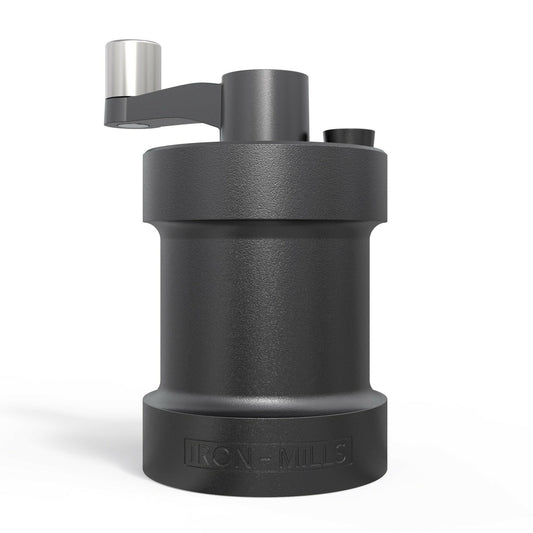
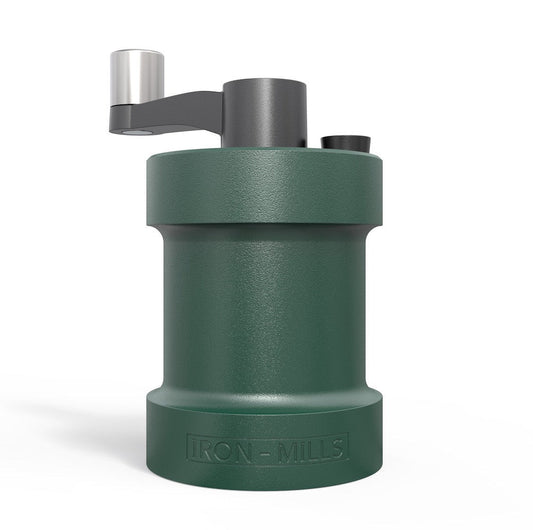
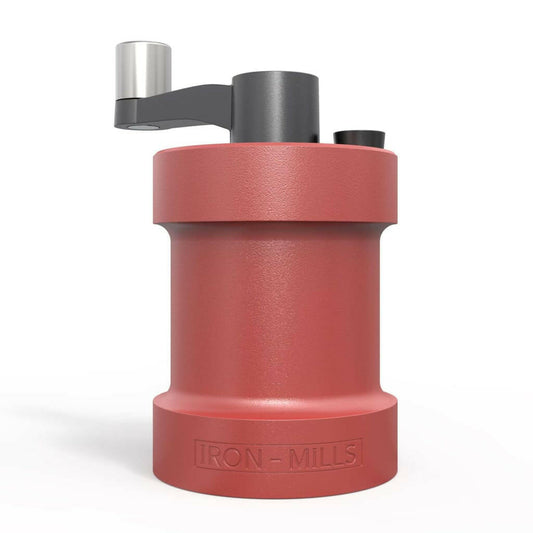
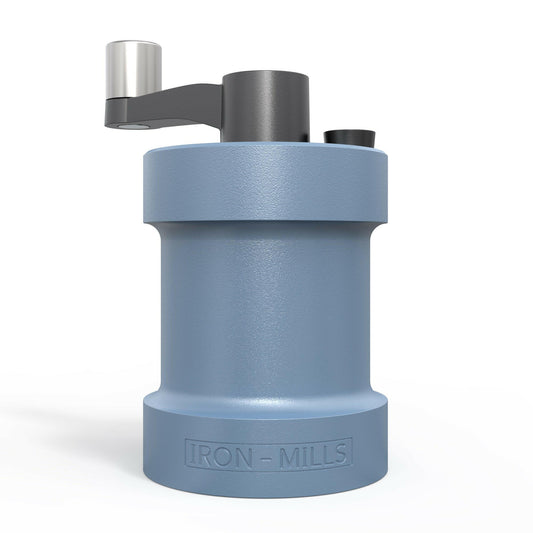
Iron-Mills cast iron mills are made for precisely this sort of regular, hands-on cooking - substantial enough to feel secure at the table and built for years of proper use.
When should you add pepper?
There is no single right moment. For grilled meat, fish or vegetables, add some pepper before cooking but avoid coating food so heavily that the fine particles scorch. Finish with another grind after cooking to restore the aroma.
For soups, casseroles and sauces, pepper can go in early, though it is wise to hold back some for the end. In uncooked dishes such as salads, vinaigrettes and carpaccio, grind it immediately before serving. Here its fragrance is not competing with heat or long simmering, so the difference is especially clear.
Do not treat pepper as salt’s automatic partner. Salt draws out and balances flavour; pepper adds its own character. Taste first, then decide whether the dish needs savouriness, heat, aroma or all three. That small pause prevents over-seasoning and produces more confident food.
Keep whole peppercorns close to hand, use a mill that gives you proper control and grind only what the plate calls for. A good meal does not need to be elaborate. It needs ingredients treated with enough care for their flavour to show.