Manual vs Electric Spice Grinders Compared
A pepper mill that splutters out dust one day and refuses to turn the next is not a kitchen shortcut. It is clutter. The choice between manual vs electric spice grinders comes down to more than speed: it affects the flavour on the plate, the control in your hand and whether the tool is still working properly after a year of daily dinners.
Electric grinders have obvious appeal. Press a button and season a pan with one hand while stirring with the other. Manual grinders ask for a little effort, but reward it with greater feel, fewer failure points and a proper sense of control. For most home kitchens, the better choice depends on what you grind, how often you cook and whether you value convenience over a tool built for decades rather than seasons.
Manual vs electric spice grinders: the real difference
A manual grinder uses your hand to turn a mechanism. In a traditional salt or pepper mill, whole peppercorns or salt crystals pass through a grinding mechanism and emerge at the coarseness you select. With a hand-cranked grinder for dried spices, the same principle applies, though the grinding surfaces and shape may differ.
An electric grinder relies on a motor, powered by batteries or a rechargeable unit. Many electric pepper and salt mills use a ceramic or metal mechanism. Electric spice grinders, especially compact models for dried spices, often use fast-spinning blades instead. That distinction matters. A blade chops inconsistently and can heat spices if run too long; a good burr-style mechanism crushes or grinds more evenly.
Neither type is automatically superior. The question is whether its construction suits the job. A fine powder for a curry paste, for example, calls for a different tool from a dependable mill used to finish roast potatoes, eggs or a steak.
Flavour and grind control favour the manual mill
Freshly ground seasoning is one of the simplest upgrades a cook can make. Whole peppercorns keep their oils far better than pre-ground pepper, and a clean, consistent grind lets those aromatics come through at the table and in the pan.
Manual mills make it easier to judge the amount and texture as you go. Want a broad, assertive crack of black pepper over a creamy carbonara? Turn the adjustment towards coarse. Need a finer grind for a sauce or dressing? Tighten it and grind with a steadier hand. You can see and feel the output rather than hoping an electric mill has dispensed the right amount before you release the button.
This control is particularly useful when seasoning close to the end of cooking. A few turns can make the difference between a dish that tastes properly finished and one that has been over-salted or buried under a cloud of pepper.
Electric mills can offer adjustable settings too, but the mechanism does the work out of sight. Some produce a decent, even result. Others vary from a few large pieces to fine dust, particularly as batteries weaken or the grinding mechanism wears. If precision is part of your cooking, a well-made manual mill is usually the more dependable option.
Heat is a consideration for dried spices
When grinding cumin, coriander, fennel or cardamom for a recipe, heat is not your friend. Friction and warm blades can drive off delicate aromatic oils, leaving a flatter result. This is mainly a concern with electric blade grinders run for too long, rather than electric salt and pepper mills used for a few seconds.
For small quantities of dried spices, a mortar and pestle or a dedicated burr grinder gives excellent control. For regular table seasoning, a quality manual pepper or salt mill is the more natural and practical tool.
Electric grinders win on convenience, not always reliability
There are moments when electric seasoning mills earn their keep. If you have reduced hand strength, arthritis or limited mobility, pressing a button can make cooking more comfortable. They are also handy when one hand is occupied, perhaps while tossing vegetables in a hot pan or holding a carving fork.
That convenience comes with compromises. Batteries run flat, rechargeable models need charging, and motors introduce another part that can fail. An electric grinder also has to contend with moisture and kitchen residue around its switches, charging port or battery compartment. These are not reasons to avoid one altogether, but they are reasons to buy carefully rather than treating an electric mill as a throwaway gadget.
There is also the matter of pace. An electric mill is quick, but it can be too quick when you only need a modest pinch. If you season by eye and taste, a manual mill often feels more measured. For a busy cook who wants to cover a tray of vegetables in seconds, electric may be the better fit.
Build quality matters more than the power source
A cheap manual mill can be just as disappointing as a cheap electric one. Cracked plastic bodies, loose adjustment knobs and blunt mechanisms are familiar frustrations. The answer is not simply choosing manual. It is choosing a mill with the materials and engineering to cope with daily use.
Look first at the grinding mechanism. It should turn smoothly, hold its setting and cope with the seasoning it is designed for. Pepper is hard and requires a mechanism capable of cracking it cleanly. Salt needs a corrosion-resistant mechanism because salt attracts moisture. Do not assume one grinder will perform equally well for both unless the maker specifies it.
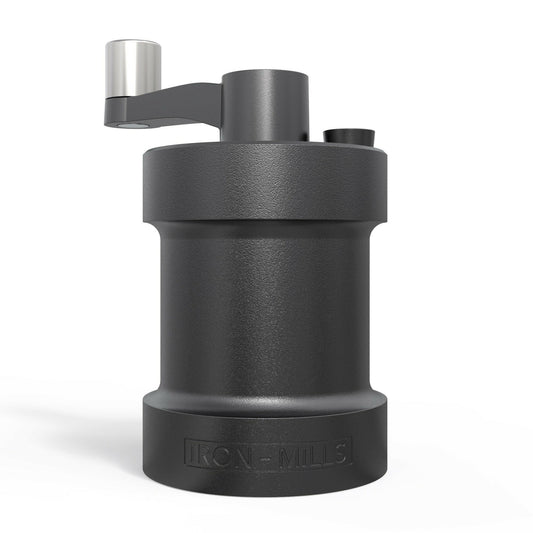
Then consider the body. A substantial mill sits securely in the hand and is less likely to split, flex or lose alignment. Cast iron has a material presence that lightweight plastic cannot imitate: it feels stable, wears well and belongs on a worktop rather than in the back of a drawer. A durable outer body still needs a sound internal mechanism, of course, but it signals a product made for use rather than disposal.
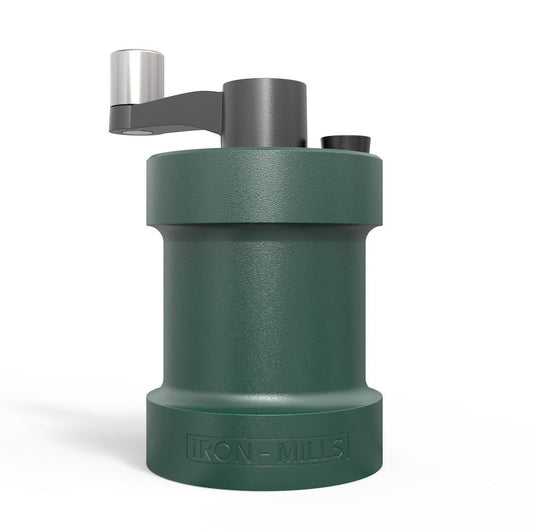
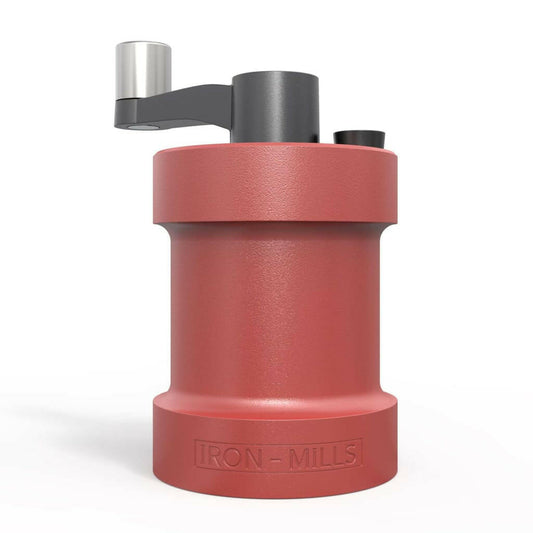
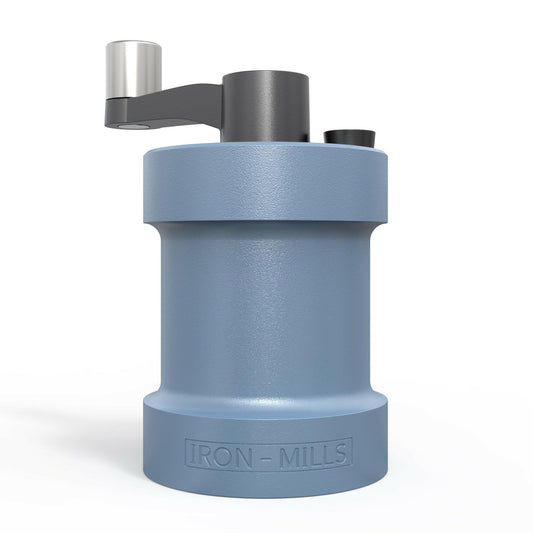
Iron-Mills takes this approach with cast iron salt and pepper mills made in Britain, designed as long-term kitchen tools rather than another short-lived accessory. A 10-year warranty is not decoration. It is a practical sign that the product is expected to keep doing its job.
Think about cleaning before you buy
Spice grinders are easier to live with when each one has a clear purpose. Using the same grinder for peppercorns one week and toasted cumin the next will muddle flavours. Cinnamon is especially persistent, and a trace of chilli in a sweet spice blend can be an unwelcome surprise.
For salt and pepper mills, keep one dedicated to each. Avoid putting wet salt, sticky seasoning mixes or oily ingredients into a mechanism that was built for dry crystals or peppercorns. If the mill clogs, empty it, allow it to dry completely and follow the maker's care guidance rather than forcing the mechanism.
Electric blade grinders need more attention. Loose spice dust gathers beneath lids and around blades, and the motor unit cannot usually be immersed in water. Brush it out between uses and wipe it only when unplugged or switched off. If you grind strong spices regularly, a separate grinder for savoury spices is a sensible investment.
Manual mills are generally simpler to maintain because they have no electronics. Still, simpler does not mean maintenance-free. Keep them dry, avoid overfilling and do not leave them beside a steaming hob where moisture can enter the mechanism. A good mill deserves the same straightforward care you give a good knife or frying pan.
Which grinder belongs in your kitchen?
Choose a manual salt or pepper mill if you want consistent seasoning, tactile control and a product with fewer things to go wrong. It is the strongest all-round choice for cooks who season food every day, care about presentation on the dining table and would rather buy once than replace a tired gadget repeatedly.
Choose an electric mill if easy one-handed operation is your priority or hand strength makes a conventional mill difficult to use. Spend enough to get a reliable mechanism and treat batteries, charging and cleaning as part of the ownership experience.
For whole dried spices used in larger quantities, neither a table mill nor a basic electric pepper grinder is necessarily the answer. A dedicated spice grinder or mortar and pestle will give better results. Matching the tool to the ingredient is how you avoid bland flavour, damaged mechanisms and cupboards full of items that do half a job.
The best grinder is not the one with the most features. It is the one you reach for without thinking, because it turns smoothly, seasons properly and is still solid in your hand long after cheaper alternatives have been binned.