Best Salt and Pepper Mills for Home Cooks
A poor mill gives itself away quickly. It jams halfway through dinner, sheds grit on the table, or turns with all the grace of a rusted tap. If you are looking for the best salt and pepper mills for home cooks, the real question is not which one looks smart on the worktop. It is which one seasons properly, survives daily use and still feels good in the hand a few years from now.
That matters more than many people expect. Salt and pepper are not garnish. They are the final adjustment in almost every savoury dish you cook, from a pan of scrambled eggs to a slow-cooked roast. When the grind is uneven or the mechanism starts slipping, your seasoning suffers. When the mill is solid, consistent and easy to use, cooking feels smoother from the first pinch to the last pass at the table.
What makes the best salt and pepper mills for home cooks?
Home cooks do not need fussy gadgets. They need mills that work every day without complaint. The best models tend to get the basics right - a dependable grinding mechanism, a body made from materials that can handle years of use, and an adjustable grind that actually gives you a meaningful range.
Grind consistency is the first thing to look at. Pepper should crack cleanly rather than turning to dusty powder unless you want a very fine finish. Salt should come through evenly, not in clumps. A good mill gives you control, whether you are finishing a steak with coarse black pepper or adding fine salt to a simmering sauce.
Build quality comes next. This is where many cheaper options fall down. Thin acrylic bodies scratch, lightweight metal coatings chip and weak internal parts wear out surprisingly fast. They can look decent on day one and feel spent by month six. A proper mill should have some heft to it, sit comfortably in the hand and turn with steady resistance rather than wobbling or grinding against itself.
There is also the question of longevity. Buying one inexpensive grinder after another is not value. It is a cycle. For most serious home cooks, the better buy is a mill designed as a long-term kitchen tool rather than a disposable accessory.
Materials matter more than branding
A lot of marketing in this category leans on appearance. Glossy timber, shiny steel and neat gift-box presentation all have their place, but materials should be judged by performance first.
Wooden mills can be excellent if they are well made. They have warmth, they suit both traditional and modern kitchens, and they age well. The downside is that quality varies widely. Poorly finished wood can mark, crack or swell if treated carelessly.
Stainless steel mills appeal to buyers who want a sleek, contemporary look. Good ones are hygienic and hard-wearing, but cheap stainless-clad mills often hide mediocre internals. The shell may look smart while the mechanism inside does the failing.
Acrylic and plastic mills are common because they are inexpensive and light. That can suit occasional use, but for a busy kitchen they are rarely the best choice. They are more prone to wear, and they seldom deliver the same confidence in the hand.
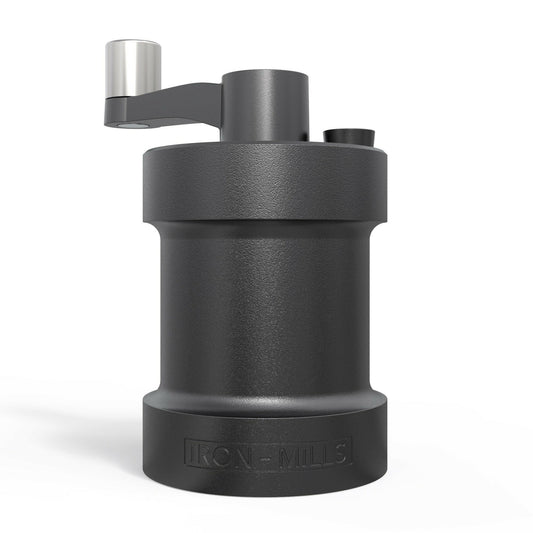
Then there are heavier-duty options built around cast metal construction. These tend to appeal to cooks who are tired of replacing grinders and want something with genuine staying power. The extra weight is not just for show. It often signals a more serious build, greater stability during use and a product designed to be kept rather than swapped out when fashions change.
Choosing between ceramic and steel mechanisms
The grinding mechanism is the engine of the mill. Get this wrong and little else matters.
Ceramic mechanisms are often used for salt because they resist corrosion well. Salt is harsh, especially in damp kitchens, and not every metal can handle it. A good ceramic grinder can give clean, reliable performance over time.
Steel mechanisms are often favoured for pepper because they are strong and sharp. They crack peppercorns efficiently and tend to hold their edge well when properly engineered. That gives you a more even grind and less crushing.
There is no universal winner because salt and pepper behave differently. What matters is whether the mechanism suits the job and has been made to last. A mill that feels smooth and precise after repeated use is worth more than one with a long list of features and a short working life.
Why adjustable grind settings are worth having
Many home cooks use one setting and never touch it again. Even so, proper adjustability still matters because it tells you something about the mill. A well-designed adjustment system usually points to better engineering overall.
Fine salt disappears neatly into soups, sauces and doughs. Coarse salt is better for finishing. Fine pepper works well in dressings and marinades, while coarser pepper gives more aroma and texture on meats, eggs and vegetables. If your mill cannot move cleanly between those textures, it limits how useful it is.
The best adjustment systems are simple. They should not require fiddling, guesswork or half a manual. Turn, test and cook. That is enough.
What home cooks actually need from a mill
Professional chefs may care about speed through high-volume service, but home cooks have slightly different priorities. Comfort matters. Refilling matters. The mill should be easy to grip with dry or slightly floury hands, straightforward to top up and solid enough that it does not feel precious.
This is also where size becomes practical rather than aesthetic. Small mills can look tidy, but they need refilling more often. Very large mills make sense if you cook constantly or season at the table for a crowd, but they can feel cumbersome in a smaller kitchen. For most households, a medium to large mill strikes the best balance between capacity and handling.
If you cook daily, keep an eye on how the mill performs over time rather than how it looks out of the box. Does it still turn smoothly after months of use? Does the finish hold up? Does the mechanism keep producing an even grind? Those are the tests that separate a good purchase from an annoying one.
The trade-off between style and durability
The best salt and pepper mills for home cooks usually sit where form meets function. You want something that looks right in your kitchen, but not at the expense of daily performance.
There is no shortage of mills designed mainly as table décor. They photograph well, match current kitchen trends and make decent gifts at first glance. The trouble starts when they become awkward to refill, slippery to hold or inconsistent to grind. A seasoning mill is still a working tool. If style is doing all the heavy lifting, the product is missing the point.
That is why many buyers end up moving towards more substantial designs. There is reassurance in weight, in honest materials and in a mechanism that feels engineered rather than merely assembled. A mill should earn its place beside the hob and on the dining table.
When it is worth paying more
Not every kitchen tool needs to be expensive. A wooden spoon can be simple. A mixing bowl can be basic. Salt and pepper mills are different because they rely on moving parts under repeated pressure. Cheap engineering shows up fast.
Paying more makes sense when the extra cost buys durability, a stronger mechanism and better materials. It also makes sense when the product is backed properly. A serious warranty tells you something. So does clear information about where and how the mill is made.
That is one reason British-made kitchenware still carries weight with many buyers. There is trust in craftsmanship, in accountability and in products designed for long-term use rather than quick turnover. For home cooks who are tired of replacing flimsy grinders, that reassurance counts.
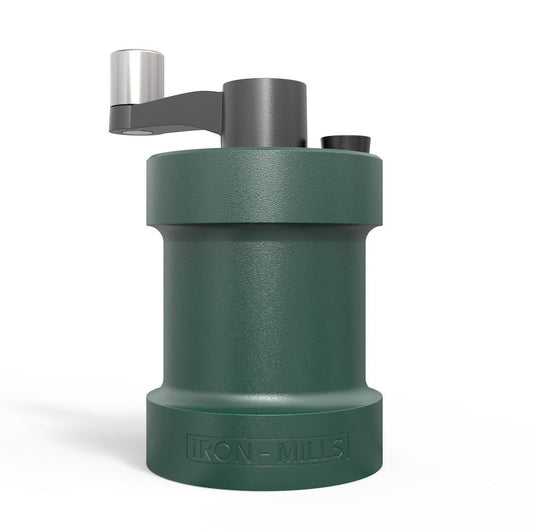
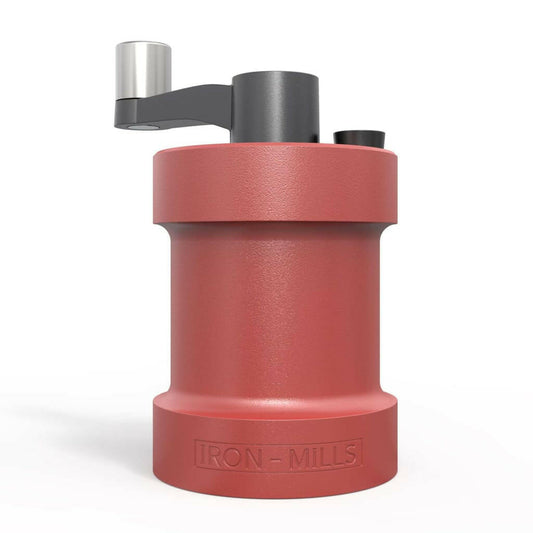
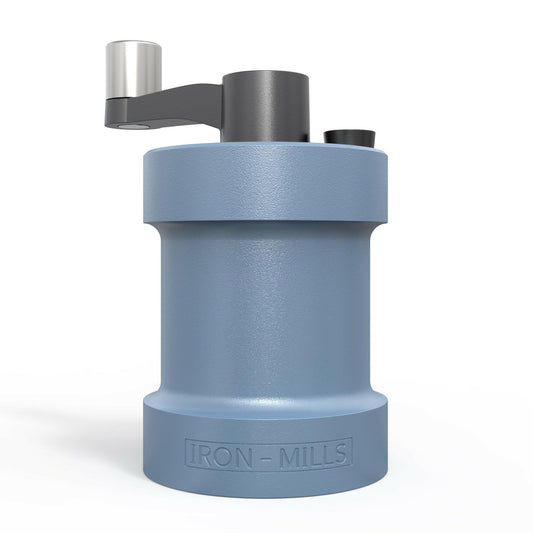
Iron-Mills sits squarely in that camp - built for people who want dependable seasoning, solid construction and a mill that feels every bit as serious as the cooking it is used for.
How to spot a mill that will disappoint you
A few warning signs are easy to miss. If the mill feels very light, that may mean the body or internals are made to a cost. If the grinding action feels rough in an empty demonstration model, it will not improve once filled. If the adjustment setting is vague or loose, consistency will probably be poor.
Be wary of anything sold mainly on novelty, matching aesthetics or bargain pricing. There is nothing wrong with wanting a good-looking mill, but if the product description talks more about display than performance, that tells its own story.
The best mills tend to be described in practical terms. Material quality. Mechanism. Durability. Warranty. Ease of use. Those are the details that matter once the packaging is in the bin.
The best choice depends on how you cook
There is no single perfect mill for every household. If you cook lightly and want something unobtrusive for the table, a compact model may be enough. If you cook daily, season with confidence and want tools that feel built for real work, you will be better served by a heavier-duty mill with a strong mechanism and decent capacity.
That is the thread running through every good buying decision here. Choose for use, not just appearance. A proper salt or pepper mill should make cooking easier, not add another minor irritation to the routine. Buy one that feels solid, seasons evenly and is made with the expectation that you will still be reaching for it years from now. Your dinner will notice the difference, and so will your hands every time you turn it.