Salt and Pepper Mills That Last
A mill usually tells on itself within a few weeks. The top works loose, the grind turns patchy, or the whole thing starts shedding flakes onto the table. If you are looking for salt and pepper mills that last, you are not really shopping for a kitchen accessory. You are buying your way out of a familiar cycle of disappointment.
That matters more than people admit. Salt and pepper are used almost every day, often several times a day, and a poor mill makes itself known quickly. It jams when you need a fine finish over eggs, dumps coarse chunks over a salad, or gives up entirely halfway through a Sunday roast. A good one should feel dependable in the hand, turn cleanly, and keep doing its job year after year.
What makes salt and pepper mills that last?
Longevity in a mill comes down to three things: material, mechanism and build quality. If any one of those is weak, the whole product tends to follow. A handsome exterior does not save a poor grinder, and a flashy box does not make a mill more durable.
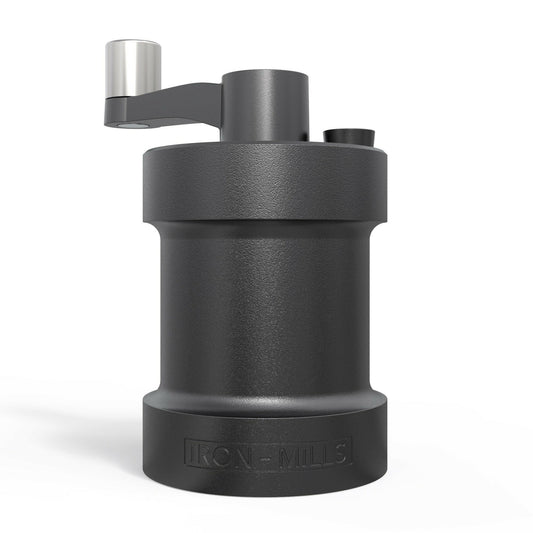
The first thing to examine is the body. Many cheaper mills rely on thin acrylic, lightweight timber or plated metal that looks smart on arrival but marks, cracks or loosens with regular use. Heavier materials tend to signal a different level of intent. Cast iron, for example, brings obvious weight and presence, but more importantly it resists the flex and wear that can shorten the life of lighter mills. A solid body keeps the mechanism stable, and stability is what helps a mill grind consistently over time.
Then there is the grinder itself. Salt is corrosive, pepper is oily, and both put stress on moving parts. A weak mechanism can dull, clog or split under normal kitchen use. A better mechanism handles repeated grinding without losing precision. That is the difference between a mill that still feels crisp after years and one that turns vague and gritty after a season.
Finally, there is assembly. A mill can be made from decent materials and still fail if the fit is poor. Loose fittings, soft screws and badly matched components often reveal themselves in wobbly tops and inconsistent adjustment. Good construction feels tight, balanced and deliberate from the start.
Why cheap mills fail so often
Cheap mills are tempting because they all promise the same basic function. Twist, grind, season. On paper, the gap between a budget grinder and a premium one can look small. In the kitchen, it rarely is.
The usual problem is not one dramatic breakage. It is gradual decline. The adjustment stops holding properly, so your coarse setting drifts finer as you use it. The body gets knocked about near the hob and starts to show it. The mechanism clogs, especially if the salt has taken on moisture. Before long, the mill still technically works, but not well enough to trust.
That is where false economy creeps in. Replacing a poor mill every year or two costs more than many people expect, and it is frustrating besides. There is also a practical cost. Cooking is smoother when the tools on your worktop do exactly what they should. Constantly fighting a grinder is a small annoyance that adds up.
The materials matter more than the styling
A well-designed mill should look right on the table, but lasting quality begins with what it is made from, not how trend-led it appears. Timber can be beautiful, and steel can be smart, but neither is automatically durable. It depends on grade, thickness and how the parts have been engineered.
Cast iron stands apart because it offers a sort of straightforward honesty. It is weighty, resilient and not trying to disguise itself as something else. In a busy kitchen, that matters. It can take daily handling, regular refilling and the odd knock without feeling flimsy. For buyers who are tired of decorative grinders that age badly, a more substantial material often feels like a relief.
That said, heavier is not always better for every person. If someone has reduced grip strength, a very weighty mill may not be ideal. This is one of those cases where durability needs to be balanced with ease of use. The best choice is the one you will genuinely enjoy using every day.
Salt mills and pepper mills do not face the same job
One detail many shoppers miss is that salt and pepper behave differently. Salt can corrode metal if the wrong materials are used. Peppercorns can be surprisingly demanding because of their hardness and oil content. A proper set takes these differences seriously.
This is why dedicated mechanisms matter. A mill built to grind pepper well may not automatically be suitable for salt, and vice versa. If a product treats both as identical, it is worth asking whether corners have been cut.
How to spot a mill worth buying
You do not need to be an engineer to judge quality. A few plain signs usually tell you whether a mill is built for years of use or just a quick sale.
Start with the feel. A good mill should sit securely in the hand, with no rattling parts or lightweight hollowness. The turning action should feel controlled rather than scratchy. Refilling should be simple, not fiddly. If the opening mechanism seems awkward when new, it will not improve with age.
Then look at the promises behind the product. A strong warranty often says more than glossy product photography ever will. Brands that genuinely expect their mills to last are usually prepared to stand behind them. Manufacturing origin can matter too, especially when it reflects a real commitment to consistent quality rather than a marketing line.
There is also the question of repair versus replacement. Some mills are effectively disposable once the mechanism starts failing. Others are built with the expectation of long service. For many buyers, that difference is at the heart of the purchase.
Salt and pepper mills that last are about performance, not just lifespan
Durability on its own is not enough. A mill might survive for ten years and still be irritating if the grind is uneven or hard to control. Lasting quality means lasting performance.
That shows up in the food. A fine pepper grind for soups and sauces should be achievable without a struggle. A coarser crack over steak should feel deliberate rather than random. Salt should fall cleanly, without clumping or sudden avalanches. The best mills make seasoning feel precise, and precise seasoning makes cooking better.
This is where premium mills justify themselves. They are not simply tougher objects. They tend to deliver a steadier result, which matters if you cook often and care how a dish is finished. Home cooks may not always describe it in those terms, but they notice it immediately when they use a proper mill.
When spending more makes sense
Not every kitchen tool needs to be an heirloom. Some items are fine to replace from time to time. Salt and pepper mills are different because they live on the worktop, are handled constantly, and affect nearly every meal.
Spending more makes sense if you cook regularly, entertain often, or simply dislike buying the same thing twice. It also makes sense if you want a product that looks settled in your kitchen rather than temporary. A well-made mill brings a certain confidence to everyday cooking. You pick it up, it works properly, and you get on with the meal.
For gift buyers, durability matters even more. A mill set given for a wedding, housewarming or anniversary should not feel tired after a year. A long warranty, strong materials and proper construction turn a useful present into one that carries real staying power.
There is, of course, a trade-off. Premium mills cost more at the outset, and that will not suit every budget. But if the alternative is a string of mediocre grinders that crack, rust or lose their bite, the better buy is often the one that costs less over time.
A better standard for the everyday kitchen
There is no mystery to choosing well. Look for honest materials, a reliable grinding mechanism, solid construction and a brand willing to back what it makes. Those are the markers of a mill designed for real kitchens, not showroom shelves.
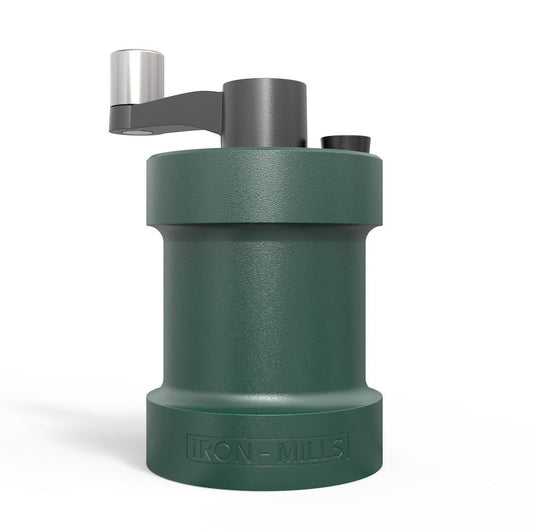
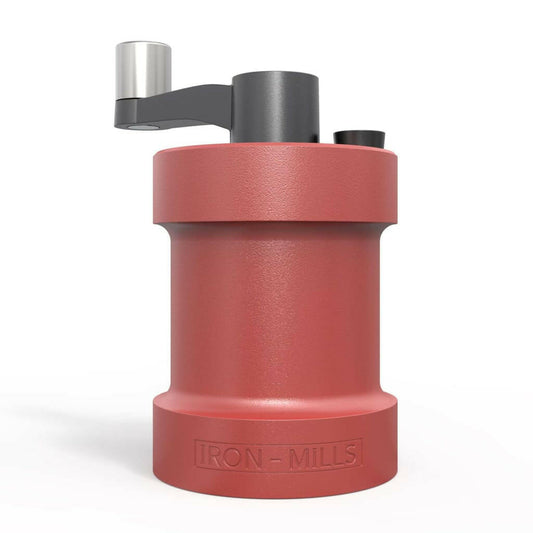
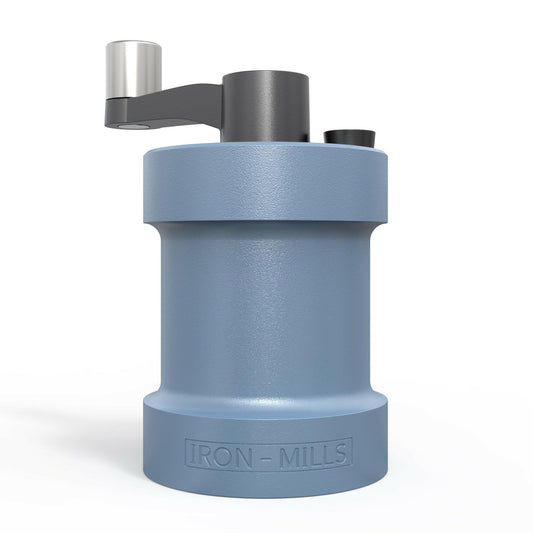
That is why durable, British-made options continue to appeal to cooks who are tired of replacing poor grinders. Brands such as Iron-Mills speak to that frustration with a simple promise: proper kitchenware, built with intention, for everyday use that does not let you down.
If your current mill already feels like a compromise, trust that instinct. The right one should not be something you tolerate. It should be one of those rare kitchen tools that earns its place quietly, meal after meal, and still feels right years later.