12 Best Durable Kitchen Tools Worth Buying
A drawer full of bent peelers, blunt knives and seized-up grinders is not a sign that you cook badly. It is what happens when kitchen tools are made to be replaced rather than relied upon. The best durable kitchen tools do the opposite: they feel substantial in the hand, perform properly under daily use and keep doing their job long after cheaper alternatives have gone in the bin.
Buying fewer, better pieces is not about filling your kitchen with professional kit for the sake of it. It is about choosing the items that take the hardest knocks, make cooking more enjoyable and repay their place in the cupboard over years rather than months.
What makes a kitchen tool genuinely durable?
Durability starts with material, but it does not end there. Stainless steel is an excellent choice for utensils, bowls and tongs because it resists rust, staining and odours. Forged steel gives a knife strength where it needs it. Cast iron brings welcome weight and permanence to cookware and mills, provided it is cared for properly.
Construction matters just as much. Look for one-piece utensils rather than handles glued or loosely riveted to a working end. Inspect moving parts on peelers, can openers and grinders. A tool can look handsome on a shelf, but if its hinge flexes or its mechanism is inaccessible and flimsy, it will not last through a busy week of cooking.
There is a trade-off. The heaviest tool is not automatically the best one, especially if you have limited grip strength or prepare large meals often. The right choice is solid, balanced and comfortable enough that you will reach for it every day.
12 best durable kitchen tools for a hard-working kitchen
1. A full-tang chef's knife
If you spend money on only one cutting tool, make it a properly made chef's knife. A full tang means the steel extends through the handle, providing a strong foundation for the handle's construction. However, overall balance depends on the knife's design, so choose one that feels comfortable and controlled when slicing, chopping and preparing ingredients.
No knife stays sharp indefinitely, regardless of price. Durability here means the blade can be sharpened repeatedly without becoming thin, brittle or uneven. Hand-wash it, dry it straight away and use a wooden or quality plastic board. A good knife on a glass board is an expensive way to create a blunt knife.
2. A thick wooden chopping board
A serious chopping board protects both your worktop and your knives. End-grain hardwood boards are kind to blade edges and can be resurfaced when marked, while a thick edge-grain beech or maple board offers excellent value and sturdy everyday service.
Wood needs a little attention. Do not leave it soaking in the sink or put it through the dishwasher. Wash it promptly, dry it upright and oil it when it looks thirsty. For raw meat preparation, keep a separate dishwasher-safe board if that suits your routine. This is not fussy maintenance - it is how a good board earns decades of use.
3. A cast iron or tri-ply frying pan
A dependable pan changes the way you cook more than most gadgets ever will. Cast iron retains heat brilliantly, making it a fine choice for steak, roast vegetables and a proper fry-up. It is extremely long-lived, but it is heavy and requires seasoning, so it is not the ideal answer for every cook.
For a lighter all-rounder, tri-ply stainless steel is hard to beat. Its layered construction distributes heat more evenly than thin steel, stands up to metal utensils and can usually be restored after years of use. Avoid pans with a very light base or a handle that feels hollow and insecure. They are rarely built for a long working life.
4. Stainless steel mixing bowls
Mixing bowls are used for far more than baking. They hold prepped vegetables, whisk dressings, marinate meat and make clearing down easier. Nesting stainless steel bowls with rolled rims are simple, practical and can provide many years of reliable use.
Choose bowls with enough weight that they do not skate around the worktop while you whisk. A non-slip base can help, although a plain steel bowl is often easier to clean thoroughly and will not suffer when rubber eventually deteriorates.
5. Locking stainless steel tongs
A pair of well-made tongs is one of the most useful things in any kitchen. They turn sausages, lift pasta, toss salad and keep your hands safely clear of hot oil. Look for thick stainless steel, a firm lock and scalloped ends that grip without piercing delicate food.
Silicone-tipped tongs are sensible for non-stick cookware, but bare steel will normally last longer and gives a more positive grip. If you own both a stainless pan and a non-stick pan, it is worth having one of each rather than forcing a single tool to do every job.
6. A solid vegetable peeler
Cheap peelers often fail at the blade mount or become uncomfortable long before the blade itself is worn. A durable Y-peeler with a stainless steel blade and a substantial handle makes quick work of carrots, potatoes and squash without fighting the skin.
A replaceable-blade model can be a sensible choice, but only if replacement blades are readily available. Otherwise, a simple well-made peeler with a fixed blade is usually the more reliable purchase. Rinse it immediately after use, particularly after peeling starchy potatoes, and dry the moving section properly.
7. A fine-mesh stainless steel sieve
From dusting flour to rinsing rice and straining sauces, a fine sieve earns its keep. Choose stainless steel mesh with a reinforced rim and securely attached handle. Flimsy mesh buckles quickly, while a weak join between handle and rim is a common point of failure.
One detail is worth checking: can it sit securely over your most-used saucepan or bowl? A resting hook makes a difference when straining hot pasta or a batch of custard. Clean the mesh promptly, as dried flour and food particles are much harder to remove later.
8. A digital kitchen scale with a glass or steel platform
Good scales remove guesswork from baking and make portioning, coffee and bread dough far more consistent. The electronics will always be the vulnerable part, so durability comes from a protected display, stable feet and a platform that wipes clean easily.
Do not chase unnecessary features. A clear display, dependable tare function and sensible capacity are what matter. Keep the scale away from steam and wipe spills before they find their way around the buttons.
9. A heatproof silicone spatula with a solid core
A spatula should scrape every last bit of sauce from a pan and every last spoonful of batter from a bowl. The strongest versions are moulded from a single piece of silicone around a metal or nylon core. Separate heads and handles eventually collect residue and can split apart.
Check the stated heat resistance, but use common sense around a fiercely hot pan. Silicone is excellent for stirring and scraping, not for leaving against a scorching grill pan. A one-piece design cleans easily and avoids the grimy seams that make cheaper utensils feel worn out before their time.
10. A reliable instant-read thermometer
A thermometer is a practical safety tool, not a restaurant affectation. It takes the uncertainty out of chicken, pork, reheated leftovers and sugar work, and can stop an expensive joint from being overcooked.
Choose a model with a slim metal probe, a clear display and a protective sleeve. It need not have a dozen settings. What matters is an accurate reading, a hinge that remains firm and a probe that is easy to clean without soaking the electronic housing.
11. A heavy-duty can opener
A can opener only becomes interesting when it fails halfway through dinner. A durable model has a sturdy turning mechanism, a sharp cutting wheel and handles that do not flex under pressure. Stainless steel components are preferable, but the shape and leverage of the handle matter too.
Wash and dry the cutting wheel after use. Food residue trapped around the mechanism can contribute to stiffness and corrosion. If the wheel starts to slip, do not keep forcing it - that is how sharp edges become rough and unreliable.
12. A proper salt and pepper mill
Seasoning is one of the final decisions you make before food reaches the table, so a weak, inconsistent grinder is more than a small irritation. A durable mill needs a reliable mechanism, a body that will not crack or loosen with use, and enough weight to feel secure when you grind.
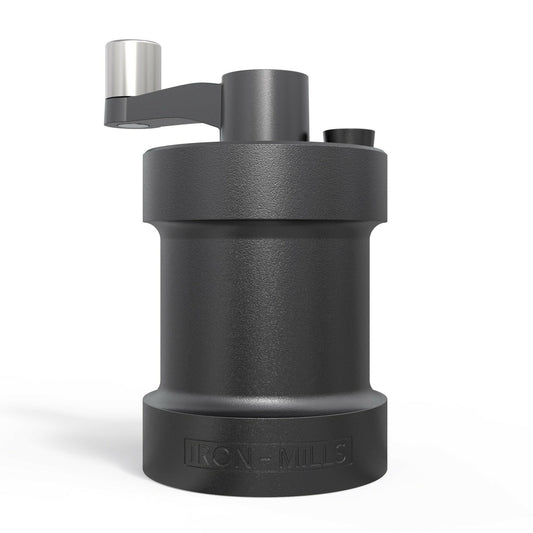
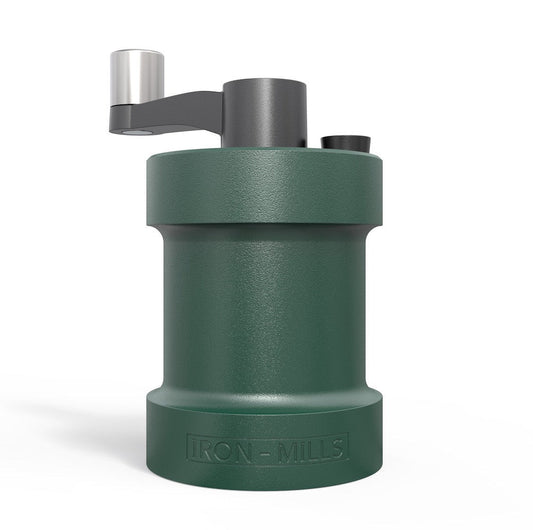
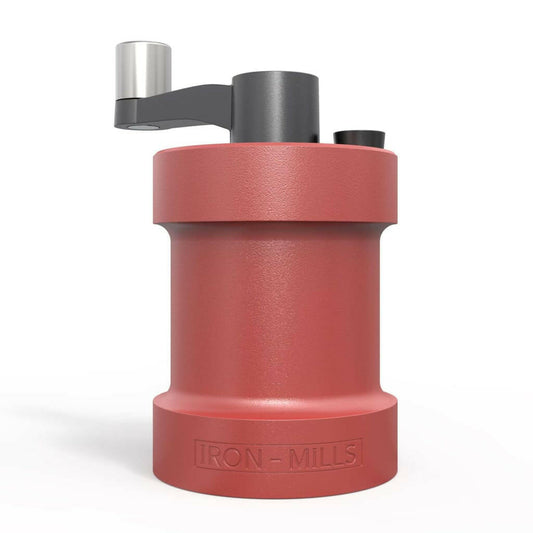
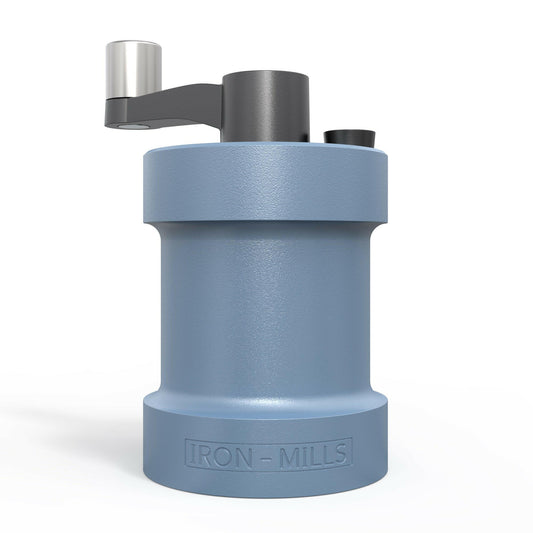
Stainless steel mills offer an excellent combination of strength, durability and corrosion resistance. Iron-Mills salt and pepper mills are built in Britain, combining cast duplex 2205 stainless steel bodies with precision-engineered grinding mechanisms. Designed for everyday use, they offer adjustable grinding performance and are backed by a 10-year warranty on the grinding mechanisms.
How to buy once rather than buy twice
Before adding another tool to the drawer, ask three direct questions. What part is most likely to fail? Can it be cleaned and maintained easily? Will it still be useful if your cooking habits change slightly? A speciality gadget that performs one trick may be tempting, but a well-made basic tool usually gives better value and less clutter.
Pay attention to warranties, too. A long warranty is not a guarantee that a product will never need care, but it is a useful sign that the maker expects it to remain in service. So are spare parts, repairable designs and clear instructions for looking after the material.
The best durable kitchen tools should not make themselves known through gimmicks. They should be there at the exact moment you need them: sharp, steady, clean and ready for another meal. Build your kitchen around that standard, one dependable piece at a time.