Pepper Mill Warranty Review: Is 10 Years Enough?
A pepper mill warranty review may not sound as tempting as choosing a new recipe, but it can tell you far more about a grinder than a polished product photo ever will. Pepper mills are used hard: twisted over hot pans, passed around a crowded table and kept within reach of splashes, steam and everyday knocks. If a maker is prepared to stand behind one for years, that says something.
Cheap mills are often treated as disposable kitchen clutter. They grind well for a while, then the mechanism slips, the body cracks, or the adjustment becomes a fight. A proper mill should be different. It should feel substantial in the hand, deliver a consistent grind and keep doing its job long after the novelty of a new kitchen purchase has worn off.
What a pepper mill warranty review should actually assess
The number of years matters, but it is not the whole story. A long warranty is valuable only when it reflects a product designed to last and when the terms are clear enough to use without a dispute.
Start by looking at what is covered. The grinding mechanism is the working heart of a pepper mill, so cover for faults in that component carries real weight. The mill body, adjustment parts and manufacturing defects also matter, particularly on a product intended for daily handling. A warranty that only sounds generous in a headline but excludes the parts most likely to fail is less reassuring than it first appears.
Next, distinguish a genuine fault from normal wear or poor care. No warranty should be expected to cover damage caused by a mill being dropped on a stone floor, left soaking in water or used with unsuitable contents. That is fair. Equally, a sturdy mill should not develop a loose mechanism, split casing or unreliable grind under ordinary kitchen use and then have those problems dismissed as wear and tear.
The best warranty is straightforward. You should be able to understand how long it lasts, what proof of purchase is needed and what happens if a fault arises. Fine print has a place, but it should not be used to make a bold promise meaningless.
Why ten years is a serious promise
A 10-year warranty changes the way a pepper mill ought to be judged. It moves the purchase away from the mindset of replacing a tired grinder every year or two. Instead, you are buying a kitchen tool that should settle into your routine, whether you season a Sunday roast, finish a bowl of pasta or cook for a full table at Christmas.
That length of cover is especially meaningful in a category full of lightweight acrylic, thin metal and plastic-bodied mills. These may cost less at the till, but the apparent saving disappears if they need replacing repeatedly. A mill that works properly for a decade can be the better value even when its initial price is higher.
It also puts pressure on the manufacturer to use materials that can live up to the claim. Cast iron has weight, strength and a reassuring permanence that flimsy materials cannot imitate. It is not chosen for a throwaway product. A solid cast iron mill feels at home beside good knives, heavy pans and the other kitchen pieces bought with the expectation that they will stay.
There is a trade-off, of course. A cast iron pepper mill is heavier than a lightweight plastic alternative, and that is precisely part of its character. Some people want an almost weightless mill for occasional use. For those who value stability, presence and enduring build quality, that weight feels like evidence of a tool made for the job.
The details behind a durable pepper mill
Warranty length should never distract from the practical signs of quality. Before you rely on a promise of long-term cover, consider how the mill is built and how you will use it.
A dependable grinder needs a mechanism capable of crushing peppercorns cleanly rather than merely cracking them at random. Consistent seasoning is not a minor detail. Fine pepper has a different effect on a delicate sauce from a coarse crack over steak, and an adjustable mill should let you make that choice without jammed settings or uneven results.
The body must also cope with daily use. A mill is picked up with wet hands, knocked against worktops and placed beside heat. Materials should feel secure, with no unnecessary seams, fragile decorative pieces or loose caps waiting to fail. Cast iron is particularly well suited to this role because it brings genuine strength rather than cosmetic weight.
Care still counts. Keep the mechanism dry, wipe the exterior rather than soaking it, and use peppercorns suitable for the grinder. A well-made mill does not ask for fussing, but a little sensible care protects both its finish and its performance. That is not a weakness in the warranty. It is simply how you get the best from a proper piece of kitchenware.
What to check before you buy
A warranty should support a buying decision, not make it for you. Look at the full offer: the material, the grind performance, the manufacturer’s confidence and whether the mill suits the way you cook.
Ask whether the brand makes a clear claim about where and how the product is made. “Built in Britain” is more than a label when it is backed by visible attention to construction and a willingness to support the product over the long term. It creates accountability. You are not just buying an anonymous object with no clear route back to the people responsible for it.
Consider how the mill will look after years on display, too. Pepper mills are not hidden in a drawer. They sit on worktops and dining tables, often beside the food you are proud to serve. A well-proportioned cast iron design has enough presence to feel special, without becoming a novelty that dates quickly.
Finally, check whether the warranty process appears sensible. Keep your order confirmation, understand the care guidance and do not assume that every problem falls under cover. The point is not to seek a replacement at the first sign of use. It is to know that, if a genuine manufacturing fault appears, the maker will deal with it properly.
A warranty is confidence, not a substitute for quality
There is a temptation to compare warranties as if the longest number automatically wins. That approach misses the point. A five-year promise on a carefully engineered mill may offer more practical reassurance than a longer claim attached to a product with vague terms, poor materials and no evidence of lasting performance.
What matters is the complete picture. Is the product made from material that can endure? Is the mechanism designed for repeated use? Are the terms easy to understand? Does the brand speak plainly about its responsibility when something goes wrong? When the answers are yes, the warranty becomes a useful sign of confidence rather than a marketing flourish.
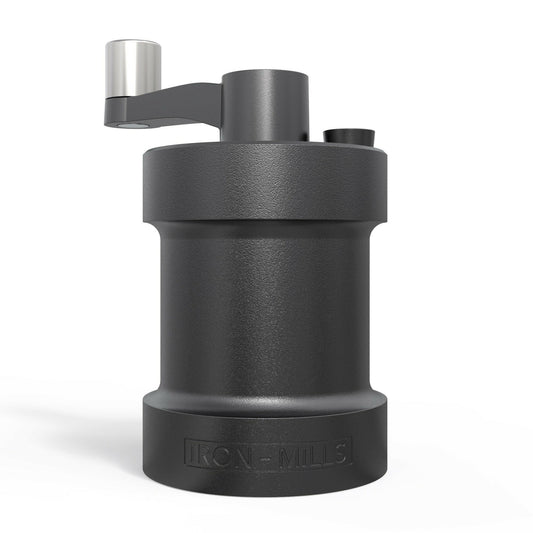
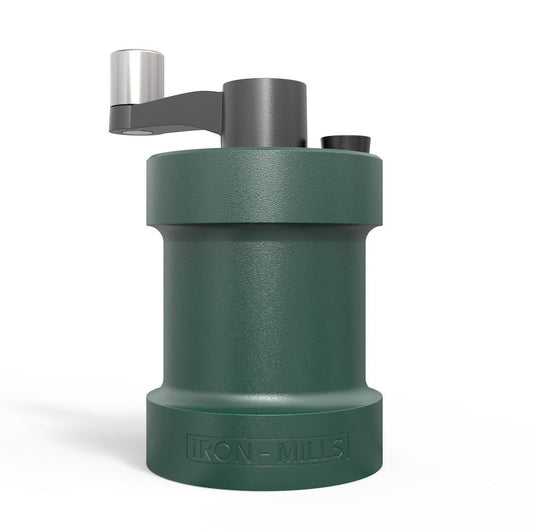
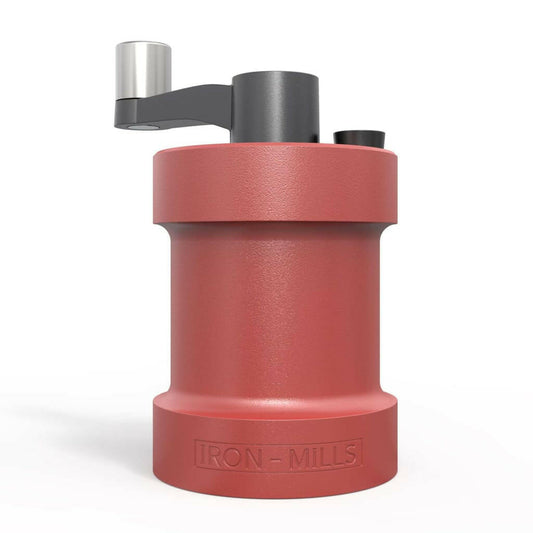
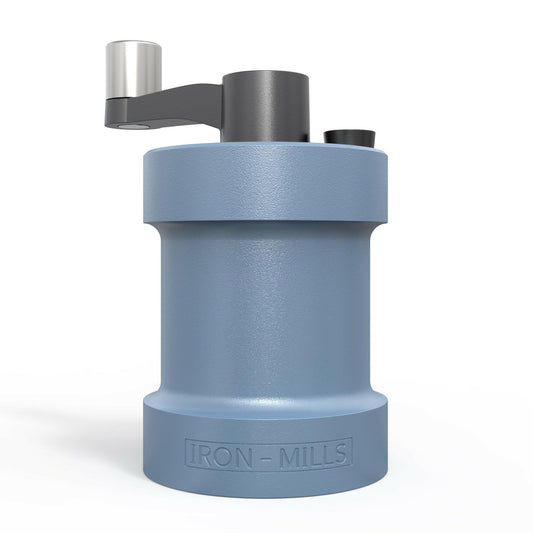
Iron-Mills backs its professional-grade cast iron seasoning mills with a 10-year warranty because a mill built for everyday cooking should not be treated as a short-lived convenience. That promise suits people who would rather buy once with care than keep replacing poor kitchenware that has let them down.
A good pepper mill earns its place slowly: in the familiar weight in your hand, the reliable turn of the mechanism and the knowledge that it will be ready for tonight’s supper and the meals still to come. Choose the one that makes that confidence feel deserved.