How to Season Food Evenly at Home
Patchy seasoning ruins good food. One bite tastes flat, the next is far too salty, and suddenly a well-cooked dish feels careless. If you want to know how to season food evenly, the answer is not more salt or more pepper. It is control. The right amount matters, of course, but how and when you apply seasoning matters just as much.
Even seasoning is what makes simple food taste confident. Roast potatoes need it. A steak certainly does. So do tomatoes, soups, greens, eggs and chips. It is one of those kitchen habits that separates guesswork from cooking you can rely on.
How to season food evenly starts with coverage
Most uneven seasoning comes down to poor distribution. If salt lands in one spot, that area tastes harsh while the rest of the dish tastes underpowered. The goal is not to make food taste salty. The goal is to make the flavour of the food itself taste fuller, clearer and properly balanced.
That means thinking about surface area. A chicken breast, a tray of vegetables and a pot of stew all need different handling. Broadly speaking, you want seasoning to fall lightly and widely, not in dense little clumps. A fine, consistent grind helps because it spreads further and settles more predictably. Coarse crystals can be excellent in the right context, but they are less forgiving when you need complete coverage.
Height helps too. If you season from right above the pan, everything lands in a tight patch. Lift your hand a bit higher and the seasoning has room to disperse. You do not need to throw salt about theatrically. Just give it enough distance to fall evenly.
Choose the right grind for the job
This is where many home cooks come unstuck. They use the same grind for everything, then wonder why some dishes taste balanced and others do not. Grind size changes both flavour impact and distribution.
For quick-cooking foods with exposed surfaces, such as fried eggs, grilled fish or sliced tomatoes, a finer grind usually works better. It settles quickly and seasons each bite more evenly. For steaks, chops and roast vegetables, a slightly coarser grind can be useful because it adds texture and a more gradual release of flavour. But even then, consistency matters. If the grind is wildly uneven, so is the result.
Pepper deserves the same attention. Pre-ground pepper tastes stale and one-dimensional compared with freshly milled pepper, which brings heat, aroma and depth. More importantly, fresh grinding gives you control. You can season delicately or generously without that dusty, blunt flavour that comes from pepper that has sat in a packet for months.
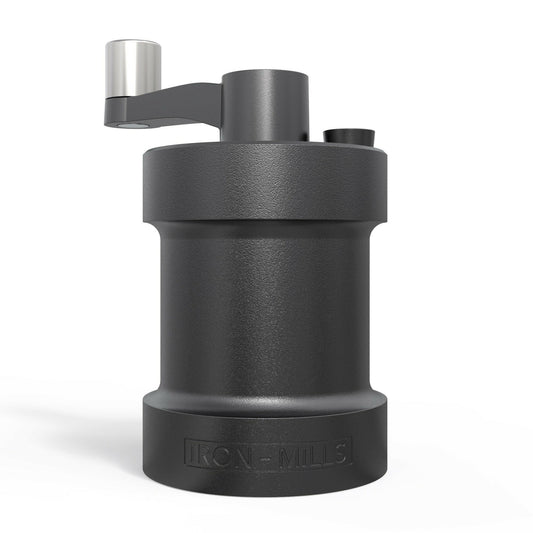
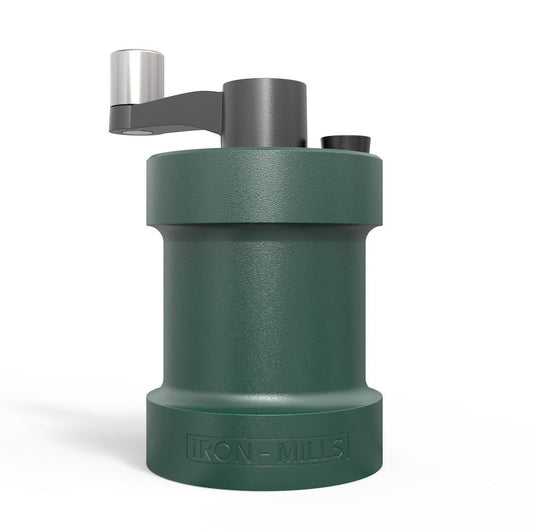
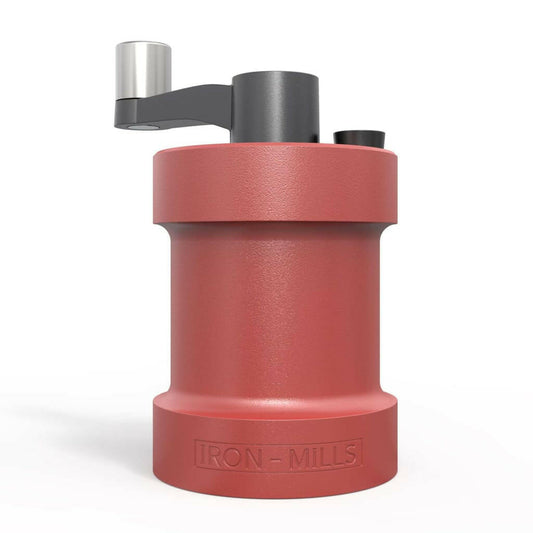
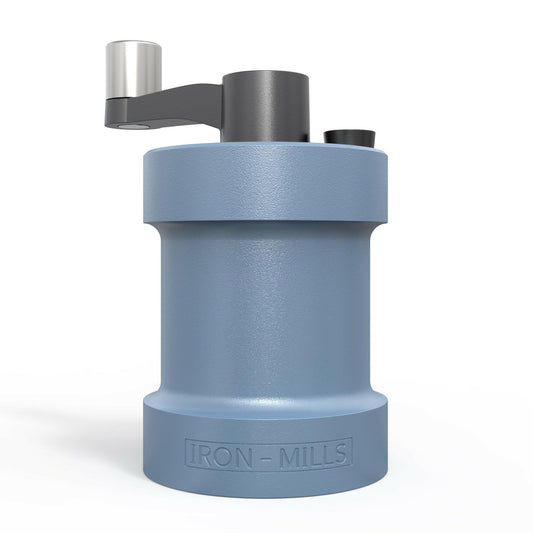
A well-made mill earns its keep here. Cheap grinders often crush badly, clog, or throw out erratic pieces, which makes even seasoning much harder than it needs to be. Solid kitchen tools are not about fuss. They are about repeatable results.
Season in layers, not in one last-minute hit
If you only season at the end, you are asking one final pinch to do all the heavy lifting. That rarely works well. Seasoning in layers gives the food time to absorb flavour and lets you adjust as you go.
With soups, stews and sauces, start modestly. Add a little salt early to build the base, then taste again once the liquid reduces. Reduction concentrates both flavour and saltiness, so this is a classic case of it depends. If the dish will reduce a lot, hold back. If it is a quick soup with little evaporation, you can season more assertively earlier on.
The same principle applies to meat and vegetables. Season before cooking so the surface is properly covered, then taste and finish after cooking if needed. Roast vegetables often need a final touch after they come out of the oven because their sweetness intensifies as they cook. A final turn of pepper can sharpen everything nicely.
Your hand matters more than you think
There is a reason experienced cooks often season with their fingers rather than shaking blindly from a container. Your hand tells you how much you are using. You can feel the pinch, see the spread and correct in real time.
That does not mean mills are less useful. Quite the opposite. A dependable mill gives you a steady, controlled flow that is far easier to judge than a tin with holes in the top. The key is to use it deliberately. Move over the whole pan or plate rather than grinding in one fixed spot. Think sweep, not pile.
It also helps to season before stirring, then after stirring if needed. If you add seasoning to one corner of a dish and leave it there, the distribution will be poor. But if you season lightly, toss or stir, and then reassess, you can build even flavour without overdoing it.
How to season food evenly for different foods
Different foods behave differently, and good cooks adapt. There is no point pretending one method fits everything.
For meat, dry the surface first. Moisture can make salt cling in patches. Once dry, season from a little height on both sides. Larger cuts need more time for the seasoning to settle in, while thinner cuts can be cooked soon after. If you are finishing with pepper, add it with some thought. Pepper can catch and bitter in very hot pans, so for some dishes it is better added after cooking.
For vegetables, use oil first if you are roasting or sautéing. Oil helps seasoning adhere, especially on irregular surfaces such as cauliflower or potatoes. Then toss thoroughly. A bowl gives better coverage than seasoning straight on the tray, where half of it can miss the food altogether.
For pasta, rice and grains, the real seasoning starts in the water. If the base is under-seasoned, no amount of table salt at the end will fully fix it. The aim is not brine, but properly seasoned cooking water that gives flavour from the inside.
For salads, season the components, not just the dressing. Tomatoes, cucumbers and leaves all respond differently. Salt on the tomatoes can wake up their flavour, while pepper in the dressing may distribute more evenly than pepper shaken over the finished bowl.
For chips, roast potatoes and anything hot from the oven or fryer, season immediately. Heat helps the seasoning stick. Wait too long and much of it sits on the outside or falls to the plate.
Taste properly and adjust with discipline
The hardest part of even seasoning is restraint. Many people add more before they have really tasted what is in front of them. Taste after stirring. Taste once the dish has rested for a moment. Taste from different parts of the pan if it is a large batch.
If one mouthful tastes bland and another tastes aggressive, that is a distribution problem as much as a quantity problem. Stirring, tossing or slicing can sometimes fix more than another hit of salt.
And remember that other ingredients affect your perception of seasoning. Acid from lemon or vinegar can make food seem brighter and more seasoned without adding more salt. Fat can soften sharp edges. Herbs can add lift. If a dish tastes dull, the answer is not always another grind. Sometimes it needs contrast.
Common mistakes that lead to uneven seasoning
The usual culprits are simple. Seasoning from too close, using a poor grinder, relying on one heavy addition at the end, or forgetting to toss and stir properly. Moisture can interfere, especially on meat and vegetables. So can overcrowding a tray, where some pieces get all the seasoning and others are shielded.
Another mistake is treating salt and pepper as decoration instead of part of cooking. If they are only added at the table, the food often tastes flat underneath. Table seasoning should refine a dish, not rescue it.
Good equipment helps here because it removes friction from the process. If your mill jams, throws out uneven chunks or feels flimsy in the hand, you are less likely to season carefully. Reliable tools encourage better habits, which is exactly why serious home cooks tend to keep them for years rather than replace them every season.
A sturdy mill with a consistent grind is not a luxury item. It is one of the simplest ways to improve everyday cooking without changing your recipes at all. That is why so many people eventually tire of cheap grinders and move on to something built to last, such as Iron-Mills.
Build the habit, and the flavour follows
Learning how to season food evenly is not about chef tricks or kitchen theatre. It is about paying attention to coverage, grind, timing and taste. Once those four things become habit, your food starts to taste more settled and more complete, even when the recipe itself is very simple.
A perfectly seasoned plate rarely announces itself. It just tastes right, from the first bite to the last. That is the standard worth aiming for every time you cook.