How to Buy Quality Kitchenware That Lasts
A saucepan with a loose handle, a blunt peeler or a pepper mill that jams halfway through supper all teach the same expensive lesson: cheap kitchenware is rarely a bargain. Knowing how to buy quality kitchenware means looking beyond a smart finish or a tempting price tag and choosing tools that work properly for years.
Good kitchenware should feel dependable in the hand, perform consistently on the hob or worktop, and stand up to regular use without demanding special treatment. The aim is not to fill every drawer. It is to build a kitchen with fewer, better pieces that make cooking easier every day.
How to buy quality kitchenware without wasting money
Start with the jobs you do most often. A keen home cook may need a reliable frying pan, a substantial chef's knife, a roasting tin and a seasoning mill that delivers an even grind. Someone furnishing a first home may be better served by a small set of hardworking essentials than a large boxed collection full of pieces they will never use.
Quality is not about buying the most expensive option in every category. It is about matching the material, construction and design to the task. A lightweight non-stick pan can be useful for eggs, for example, but it is not the same long-term purchase as a heavy stainless-steel or cast-iron pan. Buy according to how you cook, how often you cook and how much care you are willing to give an item.
Before buying, ask three plain questions. Is this made from a material suited to its job? Can the parts most likely to fail be trusted? Will I still want to use it in five or ten years? If the answer is vague, walk away.
Start with the material, not the marketing
Materials reveal more than slogans do. They determine heat control, weight, durability, cleaning requirements and, often, whether an item can be repaired or maintained rather than replaced.
Stainless steel
Good stainless steel is one of the soundest choices for everyday cookware, utensils, mixing bowls and prep tools. Look for solid construction and a thick, bonded base on pans. A pan with an aluminium or copper core spreads heat more evenly than thin stainless steel alone, reducing hot spots and helping food cook with greater control.
Do not judge a stainless-steel pan by shine alone. Lift it. A quality pan should feel balanced rather than flimsy, with a base that sits flat and a handle that does not flex. It may cost more at the outset, but it can give decades of service.
Cast iron and carbon steel
Cast iron and carbon steel reward regular cooks. They retain and distribute heat well, develop character with use and can last for generations when cared for properly. Cast iron is particularly well suited to searing, roasting and cooking that benefits from steady heat. Carbon steel is lighter and more responsive, making it a favourite for frying and high-heat cooking.
There is a trade-off. Both need drying after washing, and uncoated versions benefit from seasoning to prevent rust and maintain their naturally non-stick surface. If that small routine feels realistic, these are among the most durable materials you can own.
Non-stick coatings
Non-stick cookware has a place, but it should be bought with clear expectations. Even excellent coated pans are wear items, particularly if used at high heat, scrubbed harshly or paired with metal utensils. Look for a reputable manufacturer, a substantial pan beneath the coating and guidance that matches how you cook.
Avoid treating a non-stick pan as the answer to every meal. Reserve it for delicate foods and use stainless steel, cast iron or carbon steel for demanding jobs. That approach extends its life and gives each pan a proper purpose.
Wood, metal and silicone tools
For utensils, choose materials that suit both the food and the cookware. Wooden spoons are gentle, comfortable and durable when properly finished. Stainless-steel tongs and turners are strong and easy to clean. Silicone is useful around non-stick surfaces, but flimsy silicone tools with weak handles quickly become kitchen-drawer clutter.
Check where materials meet. A wooden handle glued loosely into a metal head, or silicone peeling from a thin core, is a sign of a short service life.
Inspect the details that cheap kitchenware hides
The difference between a tool that feels solid on day one and one that remains useful after years is usually found in the construction. Spend a minute looking at the joins, moving parts and surfaces before you buy.
On cookware, inspect the handle attachment. Riveted handles are a strong traditional option, provided the rivets are neat and firmly set. Welded handles can also be excellent when the work is clean and substantial. What matters is that the handle feels secure, comfortable and balanced when the pan is lifted.
Lids should sit properly rather than rattle. Bases should be flat. Edges should be smooth, with no sharp burrs or poorly finished seams. On knives, examine the join between blade and handle and make sure the grip feels safe in your own hand. A fashionable handle is no use if it becomes slippery when wet.
For mills, graters, peelers and other mechanical tools, test the action where possible. A grinder should turn smoothly, adjust sensibly and produce a consistent result. The mechanism matters at least as much as the exterior. A handsome mill that crushes poorly or clogs is still a poor tool.
This is why weight can be a useful clue, though never the only one. Proper material and well-made internal parts tend to give an item a reassuring presence. Excess weight with awkward balance, however, is not quality. The tool should feel made for work, not merely made to look substantial on a shelf.
Buy for performance in your own kitchen
The best kitchenware fits the way you actually live. Consider your hob type, storage space, dishwasher habits and the number of people you usually cook for. Induction users, for instance, need cookware with a magnetic base. Those with limited cupboard space may favour nesting bowls or pans that can go from hob to oven to table.
Think about maintenance honestly. A beautifully seasoned cast-iron skillet is a pleasure for someone who enjoys cooking and caring for it. For a busy household that wants simple cleaning, a well-built stainless-steel pan may be the wiser investment. Neither choice is superior in every kitchen.
Also consider replacement parts and ongoing usability. Can a mill be refilled easily? Can a lid, seal or grinding mechanism be serviced? Are instructions clear about cleaning and care? Products designed for long ownership tend to make these things straightforward.
Treat warranties and provenance as evidence
A long warranty is not a guarantee that nothing will ever go wrong, but it shows whether a maker is prepared to stand behind its product. Read what is covered, how long the cover lasts and whether normal domestic use is included. A vague promise of quality means little beside a clear, practical warranty.
Provenance deserves similar scrutiny. “Designed in Britain” and “made in Britain” are not interchangeable claims. If British manufacturing matters to you, look for specific, transparent wording about where an item is made and how it is constructed. Heritage has value when it is backed by workmanship, not used as decoration.
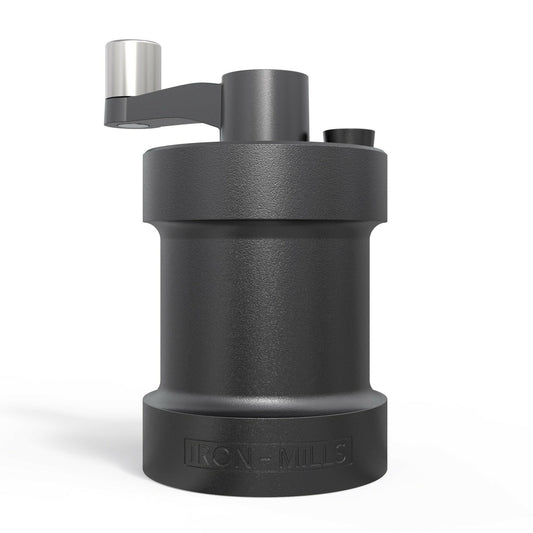
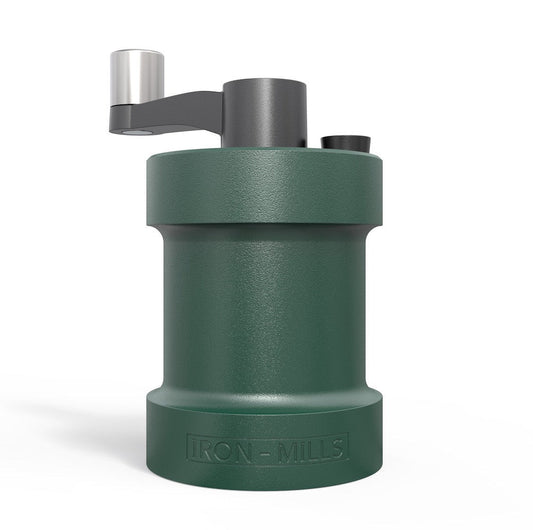
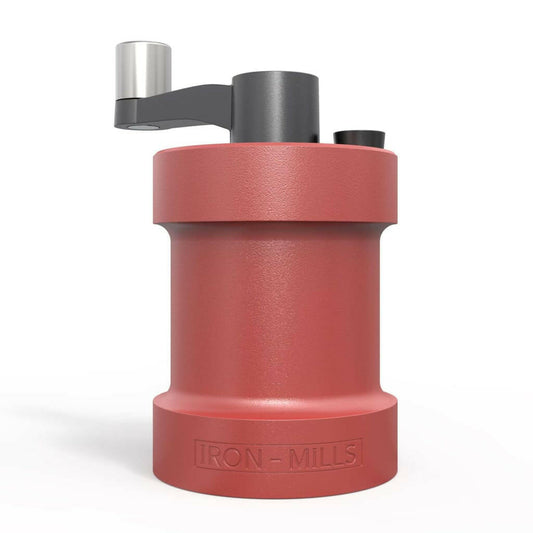
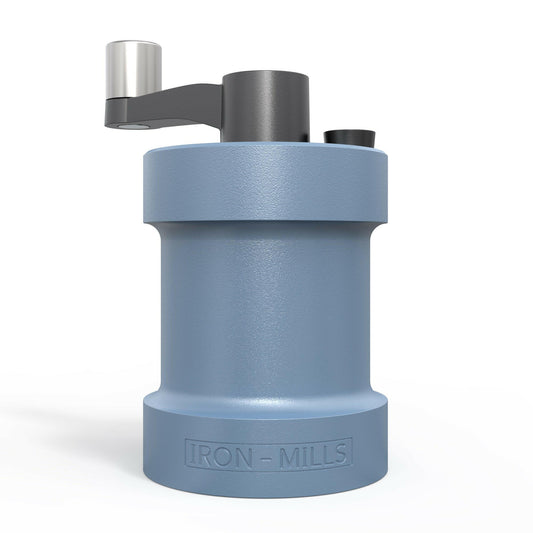
Iron-Mills, for example, builds its cast-iron salt and pepper mills in Britain and supports them with a 10-year warranty - the sort of straightforward commitment worth looking for when buying a tool you expect to keep.
Spend more selectively, not blindly
There is no need to replace a whole kitchen in one go. Begin with the items that frustrate you most or see the hardest use. A reliable knife, a good pan and a dependable seasoning mill will improve everyday cooking far more than another novelty gadget.
It can help to set a lifetime-cost test. If a £15 utensil fails every year while a £45 alternative serves you for a decade, the dearer option is the better value, even before you account for the irritation of replacing it. This does not mean every premium product is justified. It means the price should be supported by material, construction, performance and a maker willing to take responsibility.
Avoid sets that use one headline piece to make several weaker items appear attractive. Buy individual pieces when you can assess their merits properly. Your kitchen will develop more slowly, but it will be more useful for it.
A good kitchen is not defined by how much is in it. It is defined by the confidence that, when you reach for a pan, knife or mill, it will do the job without fuss. Choose tools with honest materials, sound construction and a clear promise behind them, and every meal starts on firmer ground.