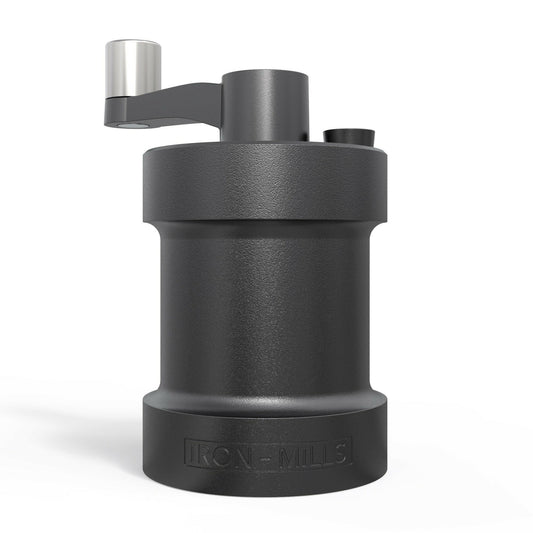
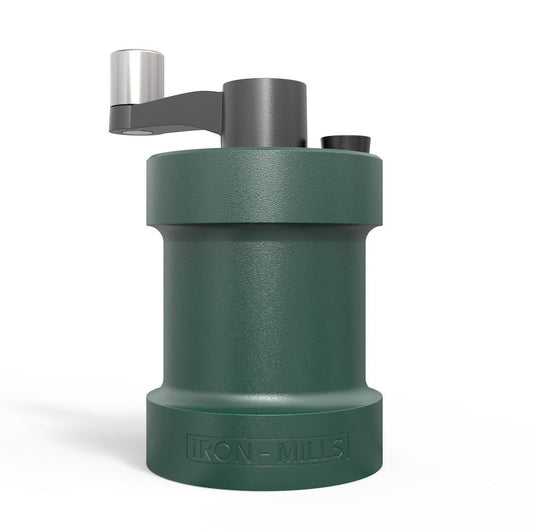
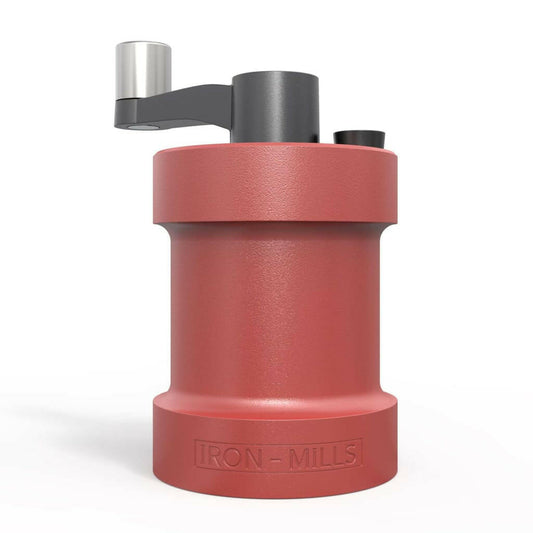
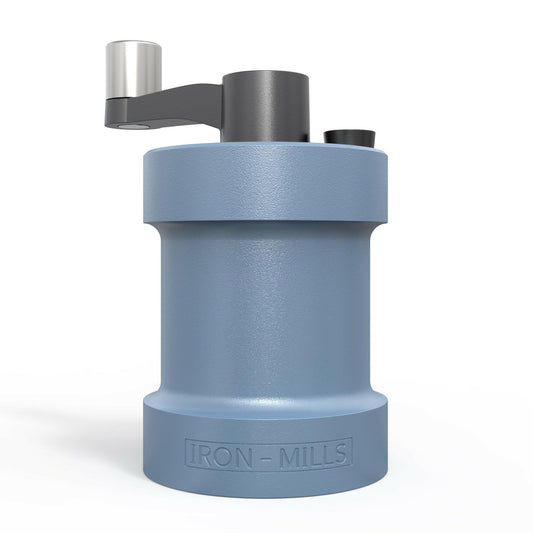
Cast Iron Mill Review: Worth the Upgrade?
Anyone who has had a pepper mill give up mid-dinner knows the pattern. It starts with a loose top, then an uneven grind, then a plastic mechanism that strips itself into uselessness. This cast iron mill review is for people who are tired of replacing kitchen tools that should have lasted in the first place.
A good mill is not a gadget. It is one of those things you reach for every day, often without thinking, until it fails and reminds you how much you rely on it. That is why cast iron has earned such a loyal following in serious kitchens. It brings weight, stability and a sense that the tool in your hand was made for years of use, not a season of convenience.
What a cast iron mill review should actually judge
Plenty of reviews get distracted by surface details. A smart finish matters, and so does the shape in the hand, but the real test is simpler. Does it grind consistently, feel solid, and keep doing its job after months and years of regular use?
That is where cast iron has a clear advantage over lighter, cheaper alternatives. The material itself gives the mill a stronger, more substantial body, which helps it resist the wobble and wear that often creep into lower-grade grinders. In practical terms, that means a steadier grip while grinding and less chance of the body feeling tired after repeated use.
The other part of the equation is the mechanism. Cast iron on the outside is only half the story. If the internal grinder is poor, the mill will still disappoint. A proper review has to look at both. Build quality without grinding performance is just good-looking dead weight.
Why cast iron mills appeal to serious home cooks
There is a reason experienced cooks tend to become picky about mills. Freshly ground pepper has more aroma, more bite and more character than pre-ground pepper ever will. The same goes for salt in the right setting, especially when you want control over texture rather than a blunt, one-size-fits-all pour.
A cast iron mill suits that kind of cooking because it feels planted and dependable. You are not wrestling with something flimsy while trying to finish a steak, season roast vegetables or adjust a sauce at the hob. The added weight gives control. The body feels less like packaging and more like equipment.
That matters in everyday cooking, but it matters even more if you cook often and expect your kitchenware to stand up to hard use. Cheap acrylic or thin metal mills can look tidy at first, but many develop play in the body, chip at the finish or lose consistency in the grinding action. Cast iron tends to age more honestly. If it is well made, it keeps its presence.
Cast iron mill review: the main strengths
The first strength is durability. Cast iron is not delicate, and that is part of the appeal. In a busy kitchen, knocks happen. Tools are picked up with wet hands, set down too firmly and used day after day. A cast iron mill is built for that reality.
The second is stability in use. Lightweight mills can feel twitchy, especially when you want a finer grind and need a bit more control. Cast iron gives resistance in the hand, which makes the action feel deliberate rather than fiddly.
The third is design integrity. A well-made cast iron mill looks like it belongs in a proper kitchen. Not flashy, not novelty-driven, just solid. For many buyers, that is part of the value. If something sits on the table or worktop every day, it should look the part.
Then there is longevity. This is often the deciding factor. Spending less on a mill that needs replacing every year or two is rarely a bargain. Spending more once on something built to last can be the more sensible buy, especially when backed by a serious warranty.
The trade-offs that a fair review should mention
Cast iron is not perfect for everyone, and a proper review should say so plainly. The most obvious difference is weight. Some people love that heft. Others may find it less convenient if they want a very light mill for quick table use.
There is also the question of care. Cast iron is durable, but it still rewards sensible handling. You would not want to leave any premium mill sitting in damp conditions or treat it carelessly. Buyers looking for something to toss about without a second thought may be better served by a cheaper option, though they should expect a shorter life from it.
Price is the other honest consideration. A cast iron mill usually costs more than an entry-level grinder. That can look steep if you compare it only at the checkout. It looks rather different if you compare it over five or ten years of use. This is where value and price part company.
What separates a premium cast iron mill from a mediocre one
Material alone does not guarantee quality. A premium cast iron mill should feel precise, not merely heavy. The body should fit together cleanly. The grinding action should be smooth and controlled. Adjustments, if included, should make a noticeable difference rather than offering vague settings that all feel the same.
A dependable warranty is another useful marker. Brands that know their product is built to last tend to stand behind it. That matters because it signals confidence, not just marketing.
Manufacturing origin can matter too, especially for buyers who care about craftsmanship and consistency. British-built kitchenware carries weight for good reason. It suggests a level of attention and accountability that many mass-produced imports struggle to match.
That is one reason cast iron mills from specialist makers stand out. They are usually built around long-term use rather than trend-led design. Iron-Mills fits that mould neatly, with a focus on British-built construction, straightforward durability and the kind of trust signals people look for when buying once rather than buying repeatedly.
Who should buy one and who may not need it
A cast iron mill makes the most sense for people who cook regularly, care about seasoning properly and are fed up with throwaway grinders. It also suits gift buyers who want to give something useful, handsome and lasting rather than another forgettable kitchen extra.
It is a strong choice for style-conscious homes as well. Some kitchen tools are best hidden in a drawer. A cast iron mill is not one of them. It has presence, and that presence tends to improve with use rather than fading.
If you rarely cook, barely use whole peppercorns or simply want the cheapest possible option, a cast iron mill may be more than you need. There is nothing wrong with that. Not every kitchen purchase has to be an heirloom. But if daily use is the standard, the case for buying better becomes harder to ignore.
Is a cast iron mill review mostly about looks or performance?
Both matter, but performance has to come first. A mill can be beautiful and still be a nuisance if it clogs, slips or produces an inconsistent grind. The best cast iron mills manage both jobs properly. They feel good in the hand, look smart on the table and perform with the steady reliability you expect from a serious kitchen tool.
That blend is what makes them different from novelty grinders or cheap supermarket replacements. They are not trying to win on the lowest price or the flashiest styling. They win by being dependable, by doing one job very well, and by staying in service long after cheaper options have been binned.
For many buyers, that is the whole point. You do not need dozens of kitchen tools. You need a smaller number of good ones.
Final thoughts on this cast iron mill review
If you are tired of mills that crack, jam or lose their edge after a few months, a cast iron model is a sensible upgrade. It costs more upfront, but it offers the kind of daily reliability that cheap grinders rarely manage. And when a kitchen tool is used this often, reliability is not a luxury. It is the standard worth paying for.
Choose one with proper build quality, a strong mechanism and backing you can trust, and it should earn its place for years to come. That is not indulgence. It is just buying properly.