Best British Made Kitchenware Worth Buying
A kitchen drawer full of tools that bend, chip or stop working is not a bargain. It is a slow, expensive irritation. The best British made kitchenware earns its place through proper materials, reliable performance and the simple fact that you should not have to replace it after a year or two of ordinary cooking.
British-made does not automatically mean perfect, and imported does not automatically mean poor. What it can offer, however, is a clearer connection to the people, materials and standards behind the product. When you are choosing the pieces you reach for every day - a pan, a baking tray, a knife or a seasoning mill - that connection matters.
What British made should mean
The phrase “British made” is used broadly, so it pays to look beyond a flag on the packaging. A product may be designed in Britain, assembled here, or genuinely manufactured here from raw material to finished item. Each has value, but they are not the same thing.
For kitchenware built for decades of use, look for a manufacturer that is plain about where the product is made and what it is made from. Good makers are usually happy to talk about their foundry, workshop, finishing process or the grade of steel, iron, wood or ceramic they use. Vague claims and glossy lifestyle photography are not a substitute for those details.
There is also a practical advantage to buying from a British manufacturer with a direct stake in its reputation. If a product needs advice, care guidance or support under warranty, there is a real business accountable for it. That is a far better position than trying to identify the maker of an anonymous marketplace purchase after the mechanism has failed.
How to spot the best British made kitchenware
The strongest kitchen tools are rarely the most complicated. Their quality is obvious in the weight, the fit of the parts and how they behave after repeated use. Before buying, ask whether the item has been designed for the job it will do most often, rather than for a photograph.
Material comes first. Cast iron holds heat superbly and has a reassuring permanence, but it needs sensible care and is heavier than aluminium. Carbon steel heats quickly and becomes naturally more non-stick with seasoning, although it too benefits from drying and occasional oiling. Stainless steel is hard-wearing, low-maintenance and excellent for sauces, boiling and everyday preparation, but it requires more attention to heat control when frying delicate food.
Construction is next. On pans, check for a solid base, firmly fixed handles and a shape that suits your hob and cooking style. On utensils, avoid weak joins, thin finishes and moving parts that feel loose from new. On mills, the grinding mechanism matters as much as the outer body: a handsome mill is of little use if it produces uneven seasoning or gives up halfway through dinner.
Finally, consider the maker’s confidence in the product. A meaningful warranty does not eliminate the need for care, but it is a strong signal that the business expects its kitchenware to remain in service. Cheap replacements are often sold without that commitment because replacement is built into the model.
The British kitchenware worth buying for daily use
Rather than buying a matching set of everything, build a kitchen around a few dependable pieces. The right selection depends on how you cook, but these are the categories where sound materials and British workmanship make a genuine difference.
Cast iron for proper heat and lasting service
A well-made cast iron casserole or frying pan is one of the most useful pieces in a working kitchen. It moves confidently from hob to oven, stores heat for a good sear, and handles slow-cooked stews, Sunday roasts and bread with equal authority. It is not the best choice when you want something feather-light or when lifting is difficult, but for steady, high-heat cooking it has few rivals.
The finish deserves attention. Bare cast iron needs seasoning and should be dried promptly, while enamelled cast iron is easier to maintain and better suited to acidic recipes such as tomato sauces. Neither approach is universally better. Choose bare iron if you enjoy the ritual and want a surface that develops with use; choose enamel if convenience is the priority.
Bakeware that stays flat in the oven
Flimsy baking trays are a familiar disappointment. They warp under heat, buckle when cold water touches them and make even simple roasting frustrating. Quality British-made bakeware should feel substantial enough to hold its shape, with rolled or reinforced edges where appropriate and a finish suited to repeated oven use.
A solid roasting tray, a heavy loaf tin and one dependable cake tin will generally serve a home cook better than a cupboard full of lightweight shapes. Check the stated oven temperature and whether the coating is intended for metal utensils, dishwasher use or hand washing. Non-stick surfaces make life easier, but no coating is indestructible. Treat it well and replace it only when it has genuinely reached the end of its useful life.
Knives and preparation tools with sensible balance
A kitchen knife need not be theatrical to be good. It should sit securely in the hand, hold an edge and be comfortable enough for the chopping you actually do. British-made knives and tools are particularly worth considering when the maker gives clear information about steel, handle construction and sharpening.
For most households, a cook’s knife, a smaller utility knife and a bread knife cover the bulk of preparation. Add a sturdy peeler, a properly made spatula and a board that protects the blade. Buying fewer, better tools makes storage simpler and encourages you to maintain what you own.
Salt and pepper mills that do not give up
Seasoning is one of the last jobs in cooking, which is precisely why a failing mill is so noticeable. Cracked plastic bodies, worn mechanisms and inconsistent grinds turn a basic kitchen essential into another item destined for the bin.
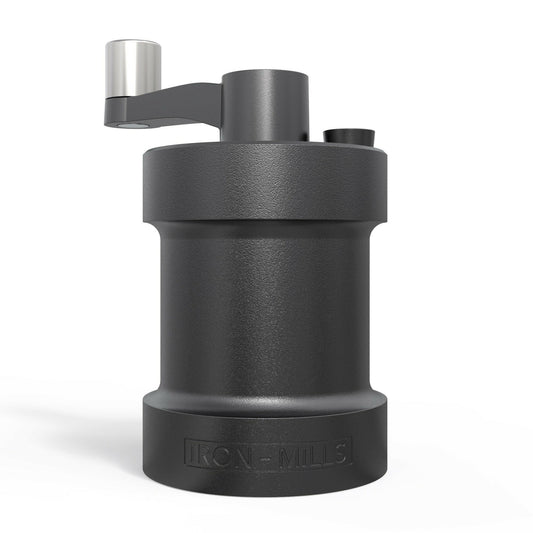
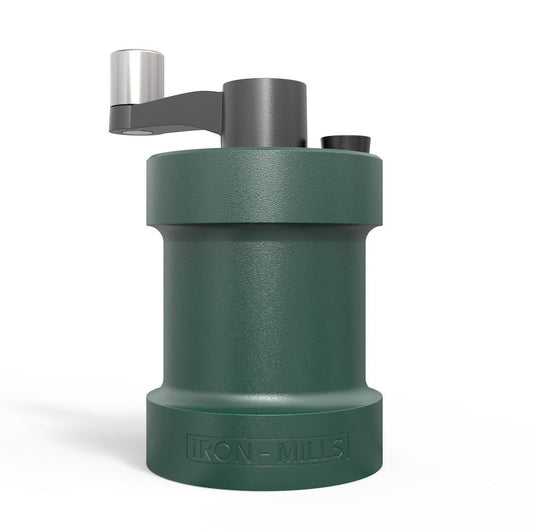
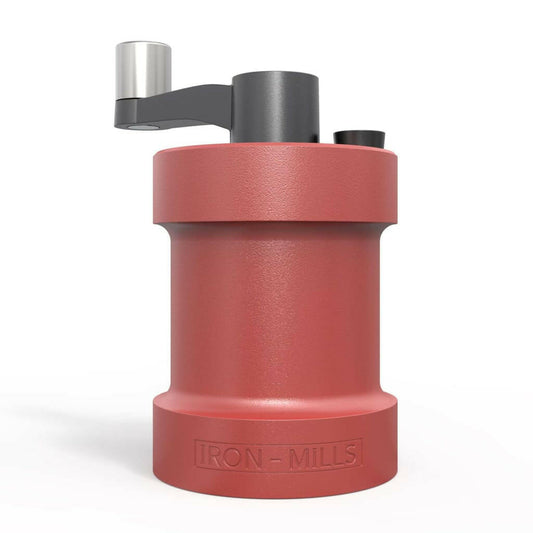
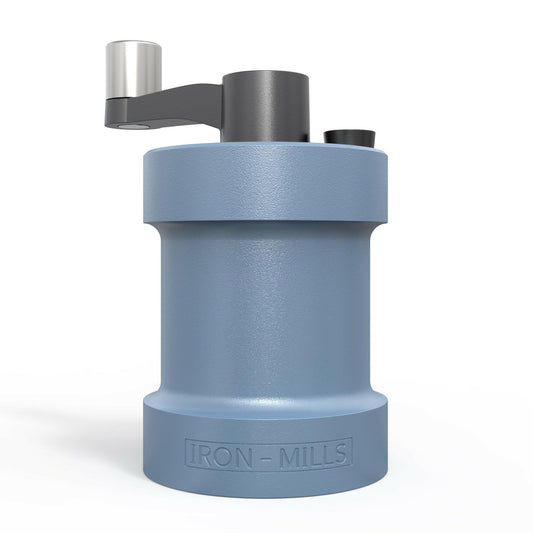
A professional-grade mill should feel secure in the hand, grind cleanly and stand up to constant use at the table and beside the hob. Cast iron brings a substantial, characterful presence, but the important point is the whole build: a durable body, dependable mechanism and a design made to be refilled rather than replaced. Iron-Mills produces British-built cast iron salt and pepper mills with a 10-year warranty, a useful marker of what long-term confidence should look like in this category.
Buy for your kitchen, not somebody else’s
The best British made kitchenware is not necessarily the most expensive item in every category. A serious baker may get more value from premium tins than from an elaborate saucepan set. Someone who cooks one-pan meals on an induction hob may benefit most from a single excellent frying pan. Think about frequency first: spend where your hands go every day.
It is also worth measuring before you buy. Check cupboard depth, oven size, hob diameter and whether a large casserole will fit in the dishwasher if that matters to you. Weight is another honest consideration. A heavy pan can be a pleasure to cook with, yet unsuitable if it is awkward to lift when full.
Avoid being swayed by a long list of fashionable features. A removable handle, decorative finish or clever attachment only earns its keep if it improves the way you cook. The fundamentals remain the same: good materials, secure construction, useful proportions and a maker willing to stand behind the work.
Make quality kitchenware last
Buying well is only half the job. Let pans cool before washing, avoid harsh scouring where a surface does not call for it, and use utensils suited to the finish. Dry cast iron and carbon steel thoroughly, then apply a light coat of oil when needed. Keep knives out of the dishwasher and sharpen them before they become frustratingly blunt.
These are not fussy rules. They are small habits that preserve performance. A pan that heats evenly, a tray that remains flat and a mill that delivers a consistent grind make cooking calmer and more enjoyable, night after night.
Choose the pieces that will still feel right in your hand years from now. A well-made kitchen does not need to be filled quickly. It is built steadily, one dependable tool at a time.