Guide to Kitchen Mill Mechanisms That Last
A pepper mill that produces dust one day and boulders the next is not a minor kitchen irritation. It changes the flavour of a dish, wastes seasoning and usually signals a mechanism that was never made for regular use. This guide to kitchen mill mechanisms looks beneath the surface of the mill: the parts that determine how evenly it grinds, how long it lasts and whether it deserves space beside the hob.
For a tool used every day, a mill is deceptively hard-working. It must crush hard peppercorns or salt crystals repeatedly, hold its setting, resist moisture and feel secure in the hand. The mechanism is where that work happens. A handsome exterior may catch the eye, but a well-engineered grinder is what earns its keep.
What a kitchen mill mechanism actually does
A seasoning mill is not simply a container with a turning top. At its centre is a grinding mechanism, usually formed by two opposing surfaces. One part turns while the other remains fixed. As peppercorns or salt crystals pass between them, they are cracked and reduced to the chosen size before falling out below.
The best mechanisms crush rather than merely chop. This matters because a clean, even grind releases aroma and gives you control over texture. Fine pepper should season smoothly through a sauce. Coarse pepper should bring a deliberate, warm bite to steak, eggs or a proper cacio e pepe. If a mill produces a mixture of powder and oversized fragments, it becomes difficult to season with confidence.
Most mills also include a central shaft, a drive component connected to the turning head, an adjustment control and a chamber for the seasoning. None of these parts should be treated as an afterthought. A weak spindle can bend or loosen; a vague adjuster can drift during use; a poorly sealed chamber lets in moisture that causes clumping and corrosion.
Burrs: the working heart of the mill
The grinding surfaces are commonly called burrs. Their shape, material and fit decide much of the mill's performance. Burrs with pronounced teeth grip whole peppercorns before breaking them down in stages. This produces a more consistent result than a blunt mechanism that simply crushes whatever happens to pass through.
Pepper mechanisms
Pepper is oily, hard and aromatic. A pepper mechanism needs sharp teeth and enough strength to cope with repeated twisting without rounding off. Carbon steel has long been prized for this job because it can be hardened to create a keen, durable grinding surface. It provides the firm bite needed to crack peppercorns consistently.
Steel does require the right environment. Pepper is suited to it because dry peppercorns do not create the same corrosive challenge as salt. A quality pepper mill should keep its steel grinder protected inside the body, away from surface moisture and careless washing up. The mill itself should never be submerged or put in the dishwasher.
Salt mechanisms
Salt demands a different approach. Salt crystals attract moisture, and that moisture can corrode ordinary steel. For this reason, a salt mill is usually fitted with a ceramic or specially protected mechanism. Ceramic is hard, non-reactive and highly resistant to corrosion, making it a sensible choice for dry salt.
This distinction is not marketing fussiness. Using the wrong mechanism can shorten the life of a mill and taint a simple task with sticking, rust or uneven output. If you are buying a pair, check that each mill is designed for its intended seasoning rather than assuming the mechanisms are interchangeable.
Ceramic versus steel
Neither material wins in every situation. Ceramic is the practical answer for salt and can work with several dried spices. Hardened steel is often the stronger choice for pepper, where sharp cutting edges make a noticeable difference. What matters is not a claim that one material is universally superior, but whether the material is right for what you plan to grind.
A mill advertised as suitable for everything may be convenient, yet it can be a compromise. Whole cumin, coriander and dried chillies all behave differently. If spices are a regular part of your cooking, choose a dedicated spice grinder or confirm that the mill's mechanism is expressly made for that use.
Why grind adjustment is more than a small detail
The adjustment system changes the gap between the burrs. Tighten the gap and the grind becomes finer; loosen it and larger pieces can pass through. In a dependable mill, this adjustment should be clear, stable and responsive. You should not need to guess whether a quarter-turn has done anything.
Many traditional mills use a screw or knob at the top. It is simple, familiar and effective when the thread is well made. Other designs place the adjustment at the base or use a marked dial. A base adjuster can be convenient, especially when you want to change settings without removing a cap, but it must not loosen accidentally while seasoning food.
There is no single perfect setting. Fine salt disappears quickly into soups, baking and dressings. Coarse salt gives a pleasant crunch over tomatoes, roast vegetables or freshly baked focaccia. For pepper, a medium setting is a reliable everyday choice, while a coarse grind shines where pepper is intended to be noticed.
The real test is consistency. Once you have selected a setting, the mill should deliver broadly the same particle size from the first twist to the last. A mechanism that continually changes character is frustrating, however attractive the housing may be.
The mechanism needs a body worthy of it
A capable grinder placed inside a flimsy body is still a short-lived proposition. The mechanism is under torque every time you use it, so the surrounding structure must keep the shaft aligned and the grinding surfaces properly positioned. When the body flexes, the burrs may no longer meet as intended. The result can be a rough action, poor consistency or eventual failure.
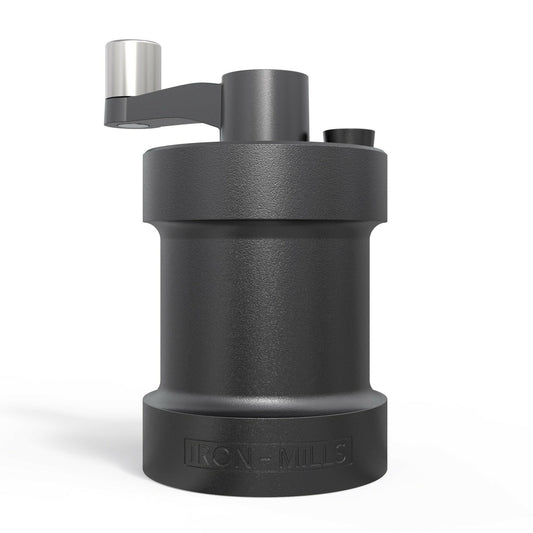
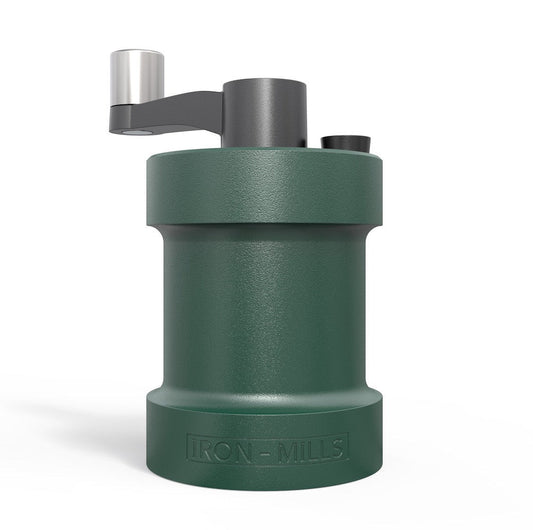
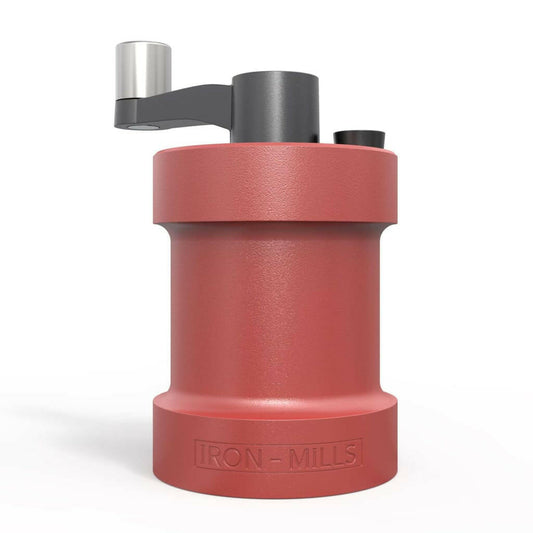
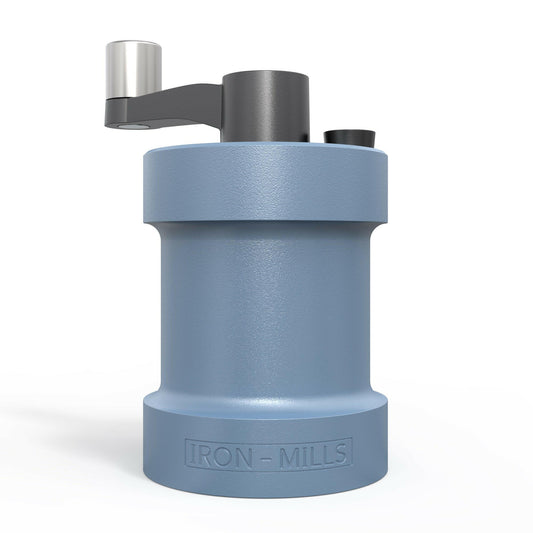
This is where material choice becomes practical rather than decorative. Cast iron has a reassuring weight and stiffness that suits a hardworking mill. It feels planted on the worktop, withstands everyday knocks and gives the turning action a sense of control. It is a substantial alternative to lightweight grinders made to be replaced when a small internal part gives up.
A good finish also has a job to do. It should protect the metal from kitchen humidity while remaining easy to wipe clean. Seasoning mills live close to steam, splashes and busy hands. Their exterior needs to look smart on the table, but it should be ready for the ordinary demands of cooking as well.
Signs of a mechanism built for everyday cooking
It is sensible to judge a mill before it reaches the kitchen. Product photographs can show style, but specifications and construction tell you more about its likely lifespan. Look for a mechanism suited to salt or pepper, a positive adjustment system and a body that feels engineered rather than assembled as cheaply as possible.
Pay attention to how a maker stands behind the product. A meaningful warranty suggests confidence in the parts that are hardest to inspect. It does not make a poor mechanism good, but it is a useful sign that the brand expects its mill to remain in service. Iron-Mills, for example, backs its cast iron mills with a 10-year warranty, which reflects the value of buying once rather than replacing a failing grinder every few seasons.
Be wary of vague phrases such as “precision grinding” with no mention of material or intended use. They tell you very little. A manufacturer that states whether the grinder is ceramic or steel, explains its adjustment and identifies where the mill is made gives you firmer ground on which to buy.
Care that protects the mechanism
Even a professional-grade mill benefits from straightforward care. Keep salt and pepper mills dry, refill them before they are completely empty if possible, and wipe the outside with a soft dry or barely damp cloth. Never rinse the grinding mechanism under the tap. Water can introduce corrosion, cause salt to cake and carry residue into places that are difficult to dry properly.
Use clean, dry peppercorns and salt crystals. Avoid flavoured salts with added oils or wet ingredients unless the manufacturer specifically says they are suitable. These additions can clog burrs and make the adjustment stiff. If a mill starts to feel resistant, do not force it. Empty it, inspect for debris and clean only as directed for its mechanism.
A well-made mill should become easier to trust with time, not more temperamental. Choose the mechanism for the seasoning, choose the construction for the years ahead, and keep it dry between meals. Then every turn delivers the simple thing you wanted in the first place: properly seasoned food, without a kitchen tool letting you down.