Best Pepper Mills for Everyday Cooking
One twist over a pan of eggs tells you nearly everything. A good mill gives you a steady shower of fragrant pepper with hardly any effort. A poor one crushes unevenly, drops dust on the hob, or jams just when dinner is nearly ready. If you are looking for the best pepper mills for everyday cooking, the real question is not which one looks smart on the worktop. It is which one will still grind cleanly, consistently, and comfortably after years of regular use.
That matters more than many people think. Pepper is not a finishing flourish reserved for special occasions. It is part of how most home cooks build flavour every day - over roast vegetables, into pasta sauces, onto salads, and across grilled meat or fish. A reliable pepper mill earns its place by being used constantly, not by being admired from a shelf.
What makes the best pepper mills for everyday cooking?
For daily use, three things matter most: grind consistency, durability, and ease in the hand. Get those right and almost everything else follows.
Grind consistency is what separates a proper mill from the disposable sort people put up with for far too long. You want a mechanism that cracks peppercorns evenly rather than smashing some into powder while leaving others in coarse chunks. Fine pepper should still smell fresh and lively. Coarser pepper should have body and bite, not feel like random rubble.
Durability is just as important. Many inexpensive mills look acceptable at first, then reveal their weakness after a few months. The grinding mechanism dulls, the body loosens, the adjustment slips, or the finish starts to feel tired. A mill used every day needs to cope with greasy fingers, quick refills, steam from the hob, and the occasional knock on a crowded worktop. If it cannot handle ordinary kitchen life, it is not good value, however cheap it seemed at the till.
Ease of use is often overlooked until a mill becomes irritating. A well-made pepper mill should feel balanced, not awkward. It should turn smoothly with enough resistance to feel controlled, but not so much that seasoning a large dish becomes a chore. If you cook often, comfort is not a luxury. It is part of performance.
Material matters more than marketing
There is plenty of noise in this category. Sleek finishes, trendy shapes, novelty features - all very nice until the mechanism wears out. For an everyday mill, materials deserve more attention than styling language.
Wood remains popular because it looks warm and classic. A good wooden mill can be excellent, particularly if the mechanism inside is strong. The trade-off is that not all wooden mills are built to the same standard. Some are little more than decorative shells around mediocre internals.
Acrylic or clear plastic mills make it easy to see the peppercorn level, which is practical. The downside is that lighter materials can feel flimsy, and cheaper versions often do. Over time they may scratch, cloud, or lose that reassuring sense of solidity.
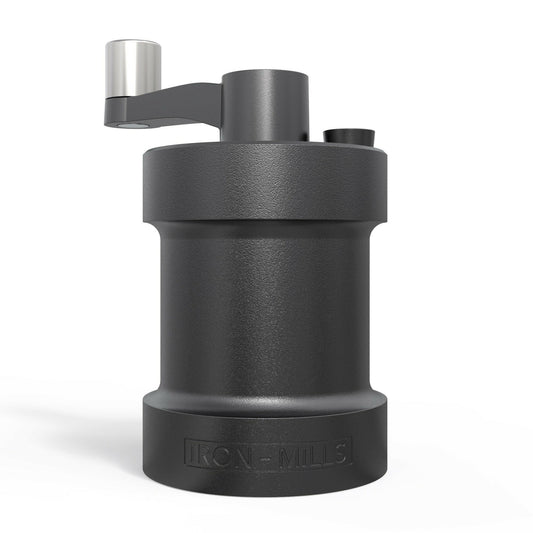
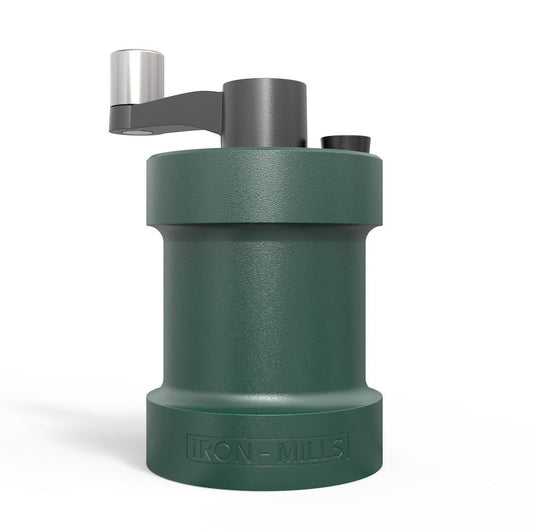
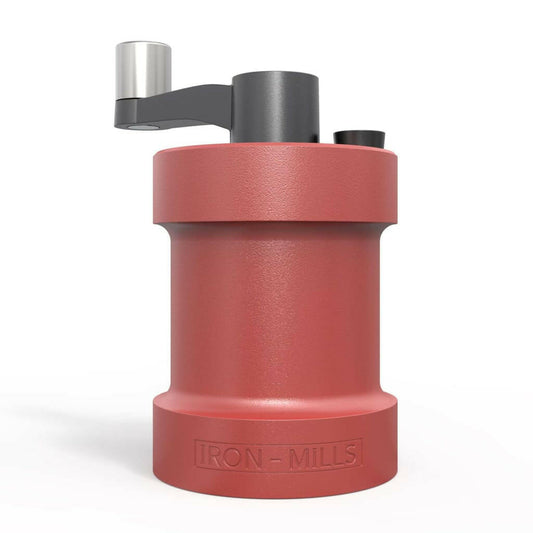
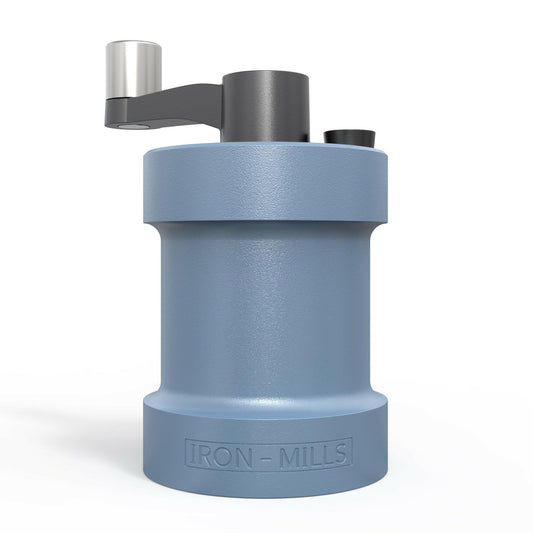
Metal-bodied mills, especially heavier-duty constructions, tend to suit serious everyday use best. They feel substantial in the hand and usually signal a more hard-wearing build. Cast iron, in particular, has a permanence that lighter materials simply do not. It is not for those who want something delicate. It is for cooks who are tired of replacing tools that should have lasted.
The grinding mechanism is the heart of it
If the body is the frame, the mechanism is the engine. This is where the best mills justify their place.
Most decent pepper mills use steel or ceramic mechanisms. For pepper, hardened steel has long been the trusted choice because it grips and cracks hard peppercorns cleanly. Ceramic can perform well too, though it is often more strongly associated with salt mills because it resists corrosion. What matters most is not just the material but the quality of the engineering and how well the mechanism stays aligned under repeated use.
A mill can feel impressive on day one and still disappoint if the grind setting wanders or the mechanism clogs. A dependable everyday pepper mill should offer clear adjustment between finer and coarser grinds without becoming temperamental. You should not have to fiddle with it every other meal.
That is one reason many experienced cooks stop buying bargain mills. The frustration is cumulative. A weak mechanism does not fail all at once. It slowly becomes less pleasant to use, until seasoning food feels like a small annoyance rather than an easy part of cooking.
Best pepper mills for everyday cooking: what to look for before you buy
The best choice depends a little on how you cook. If you mostly season at the table, appearance may carry more weight. If you cook every evening and season in stages, performance should lead the decision.
Size is worth thinking about. A smaller mill can look neat and feel light, but it may need frequent refilling. That is fine for occasional use. For a busy kitchen, a larger capacity is often more practical, especially if black pepper goes into everything from soups to roast potatoes.
Weight is another consideration. Heavier mills often feel better made and more stable in use, but there is a balance to strike. You want substance, not strain. The best mills feel solid rather than cumbersome.
Refilling should be simple. If it involves awkward unscrewing, fiddly parts, or a narrow opening that scatters peppercorns everywhere, it will become irritating fast. Everyday tools should remove friction from cooking, not add it.
It is also sensible to consider whether a mill is built to be kept for the long term. A proper warranty says a lot. So does where and how the mill is made. Craftsmanship is not just a romantic idea. In kitchenware, it often shows up in the precision of the mechanism, the fit of the parts, and how the product feels after a year of use rather than after five minutes out of the box.
Cheap pepper mills are often expensive in the long run
This is where many shoppers get caught out. A low-priced mill can seem sensible, especially when it sits beside a premium option that costs more upfront. But pepper mills are one of those kitchen tools where buying twice, or three times, is common.
The usual pattern is familiar. The first mill feels acceptable at the start. Then the grind becomes inconsistent. The cap loosens. The turning action stiffens. Eventually it gets relegated to the back of a cupboard or binned altogether. Then another one is bought, usually much the same.
Over time, that cycle costs more than choosing a properly made mill from the beginning. More than that, it lowers the standard of everyday cooking in small but constant ways. You season less accurately. You get less aroma from the pepper. You put up with a tool that never quite does the job well.
For cooks who care about quality, that compromise wears thin. Better to buy one that is made to stay in service.
Who should choose a premium everyday mill?
Not everyone needs the heaviest, most substantial mill on the market. If you rarely cook and mostly reach for pre-ground pepper, a basic option may do. But for anyone who cooks regularly, the case for going better is straightforward.
A premium mill makes sense if you are fed up with grinders that fail early, if you season while cooking rather than only at the table, or if you prefer kitchen tools that feel like permanent fixtures rather than temporary purchases. It also makes sense if you are buying as a gift. A dependable mill is the sort of present people keep using for years, which is more than can be said for most fashionable kitchen gadgets.
This is where British-made quality still carries real weight. There is reassurance in knowing a kitchen tool has been built with longevity in mind rather than designed around the lowest possible production cost. Iron-Mills sits naturally in that space - solid, professional-grade, and made for people who would rather invest once in something trustworthy.
The best everyday pepper mill is the one you reach for without thinking
That may sound obvious, but it is the test that matters. The right mill disappears into your routine. It works before breakfast when you are seasoning scrambled eggs. It works over a casserole on a Sunday. It works when guests are round and when you are cooking alone on a Wednesday night.
It should not need excuses. Not, “It looks lovely, but the grind is a bit temperamental.” Not, “It was cheap, so I cannot complain.” A good pepper mill earns its keep by doing one simple job very well, again and again.
If you are comparing options, resist the pull of novelty and focus on what daily use demands. Strong materials. A reliable mechanism. Comfortable handling. Straightforward refilling. A build quality that suggests it was made to last, not merely sold quickly.
Because the best pepper mill for everyday cooking is not really about pepper alone. It is about keeping good tools close to hand and refusing the false economy of flimsy kitchenware. When a mill is properly made, you feel it every time you cook - in the ease of the twist, the evenness of the grind, and the quiet satisfaction of using something built with purpose.
Choose the one that feels ready for years of service, not months. Your dinner will notice, and so will your kitchen.