7 Refillable Salt Grinder Benefits Worth Having
A proper meal can be let down by the last few seconds at the table: a cheap grinder that jams, sheds a weak dusting of salt, or gives up altogether. The real refillable salt grinder benefits are not limited to saving plastic. A well-made mill gives you control over flavour, reduces needless replacements and earns a permanent place beside the hob and on the dining table.
For cooks who care about good ingredients, seasoning deserves better than a disposable bottle with a short working life. Here is what a refillable salt grinder can bring to everyday cooking - and what separates a dependable one from a false economy.
1. Less packaging, less waste
Disposable salt grinders are convenient at first, but their design creates an obvious problem: once empty or faulty, the whole item is thrown away. That includes the plastic body, lid and grinding mechanism, even though only the salt has been used.
A refillable mill lets you buy salt as an ingredient, rather than repeatedly buying a container. Refill it with coarse sea salt, rock salt or another suitable dry salt, and keep the mill in service. It is a simple change, but one that makes sense in a kitchen already trying to cut down on unnecessary single-use packaging.
This benefit does depend on the mill itself being made for the long haul. A refillable grinder with a weak mechanism merely postpones the waste. Choose a solid body, a mechanism designed for salt and a construction that will cope with years of turning, refilling and regular use.
2. Better control over every pinch
Salt is not a one-setting ingredient. Fine salt disappears quickly into a sauce or baking mixture, while a larger crystal brings a sharper finish to roast vegetables, grilled fish or a properly cooked steak. A refillable salt grinder allows you to choose the texture that suits the dish rather than accepting whatever comes from a pre-filled container.
A good adjustable mill should move from a fine grind to a coarser crunch without becoming erratic. That control matters more than it may sound. Fine salt is useful when seasoning a soup gradually. Coarser salt is ideal at the table, where each person can add a little texture and flavour without overdoing it.
The aim is not to make seasoning complicated. It is to make it reliable. When the grind is consistent, you can season with confidence and repeat the results that worked last time.
3. Fresher salt and a better finish
Salt does not spoil in the way fresh herbs do, but its condition still affects how it performs. Coarse crystals stored in a dry, enclosed mill are ready to grind as needed, rather than sitting exposed in an open dish where moisture and kitchen grease can cause clumping.
Freshly ground salt also has a more noticeable texture. On a tomato salad, a soft-boiled egg or a crusty slice of bread with butter, those small crystals add a clean, satisfying lift. The difference is particularly clear when salt is used as a finishing ingredient rather than dissolved during cooking.
There is a practical limit here. Salt attracts moisture, so even the best grinder needs sensible care. Keep wet hands away from the opening, avoid storing it directly beside a steaming pan and use only dry salt crystals. If the mill is left in a damp environment, clumping can affect any mechanism.
4. A mill that suits your salt
One of the strongest refillable salt grinder benefits is freedom of choice. You are not tied to the blend supplied by a manufacturer. You can select the salt that fits your cooking, whether that is a straightforward coarse sea salt for daily meals or a mineral-rich rock salt for the table.
Not every salt is suitable for every mill. Very damp salts, flaky finishing salts and salt mixed with herbs or oils are usually better kept in a dish or cellar. A grinder works best with clean, dry crystals of a size recommended for the mechanism. This protects the grinder and gives a more even result.
That modest bit of care pays off. Rather than forcing an unsuitable ingredient through the mill and blaming the tool when it blocks, you get dependable performance from both.
5. Lower cost over the long term
The purchase price of a quality refillable mill is higher than that of a throwaway grinder. There is no point pretending otherwise. But price and value are not the same thing.
Buying salt refills is generally more economical than replacing pre-filled grinders again and again. More importantly, a durable mill avoids the familiar cycle of buying a cheap replacement because the last one cracked, lost its adjustment or stopped grinding halfway through a meal.
Think of it as you would a good pan or a proper kitchen knife. The best tools are used often, feel right in the hand and do their job without demanding attention. Over years of daily cooking, a sound mill becomes the more sensible purchase.
6. Stronger materials make a real difference
The mechanism is the working heart of a salt mill, but the body matters as well. Thin plastic can feel insubstantial, become scratched and fail under ordinary use. A weightier material gives the mill stability and makes grinding more comfortable, particularly when you are seasoning a large dish.
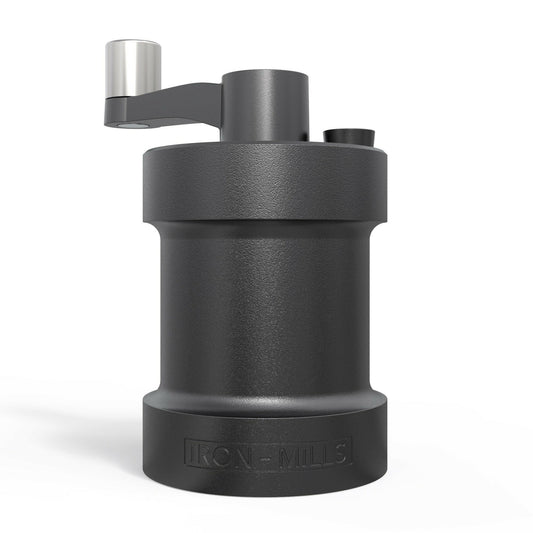
Cast iron has a natural presence that suits a hardworking kitchen. It feels substantial, stands up to regular handling and develops character rather than looking disposable. Paired with a salt-safe grinding mechanism, it creates a mill intended to be kept, not replaced.
Durability is also about construction. Look for a secure cap or closure, a firm adjustment system and parts that do not rattle or flex when turned. A ten-year warranty is a meaningful sign that a maker expects its product to remain useful, not simply look good on the day it arrives.
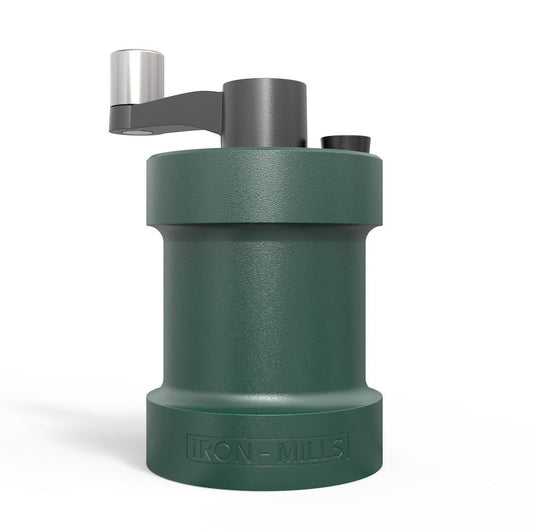
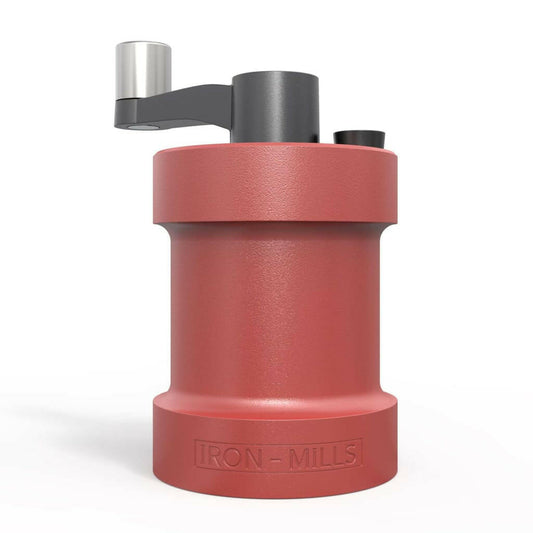
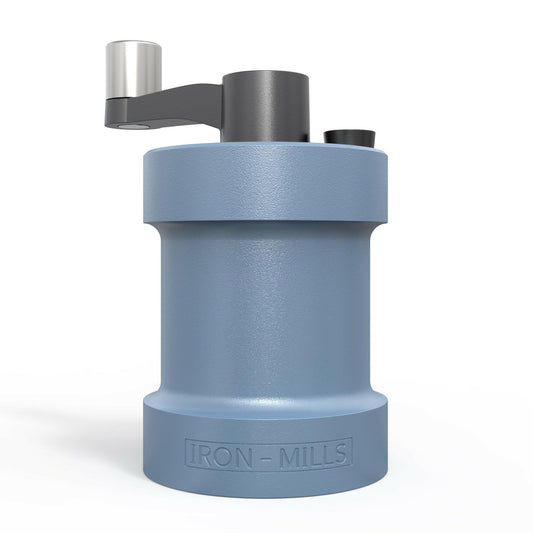
Iron-Mills takes that principle seriously with British-built cast iron mills made for everyday use, from the first seasoning at the hob to the final pass around the dinner table.
7. A better-looking, better-working table
Kitchen tools do not need to be ornamental to look good. A salt mill is often left out in full view, so it should earn that space. A well-designed refillable grinder brings a sense of permanence to the worktop and makes an ordinary table setting feel considered without becoming fussy.
It also makes hosting easier. Put a dependable salt mill on the table and guests can season their own food properly. There is no passing around a tired packet, no struggling with a flimsy cap and no hunt for the salt cellar halfway through supper.
For gift buyers, this combination of usefulness and material quality is why a good mill works so well. It is practical enough to be used every day, yet substantial enough to feel like a genuine present rather than another kitchen novelty.
What to look for before you buy
The best refillable salt grinder is not necessarily the one with the most settings or the flashiest finish. Start with the basics: it should be comfortable to hold, straightforward to refill and fitted with a mechanism suitable for dry salt crystals. The adjustment should hold its setting, and the body should feel strong enough for repeated use.
Capacity is worth considering too. A very small mill may look neat but need frequent refilling in a busy household. A larger one reduces that chore, although it should still be easy to handle at the table. If you cook often, choose practical capacity over a purely decorative shape.
Finally, consider where and how it was made. Clear information about materials, manufacturing and warranty coverage is far more useful than vague claims of premium quality. A salt grinder is a modest item, but it is also one you will reach for hundreds of times a year. It should feel trustworthy every time.
A refillable mill will not transform poor cooking on its own, but it removes one small, irritating failure point from the kitchen. Choose one built with care, keep it filled with dry salt you enjoy using, and every meal starts and finishes on firmer ground.