A Practical Guide to Premium Pepper Grinders
A pepper grinder earns its place at the table every day. It is handled with greasy fingers during a Sunday roast, passed round at supper, and relied on when a simple bowl of pasta needs one final crack of pepper. That is why a guide to premium pepper grinders should start with a plain fact: a mill that feels substantial and performs consistently will be used for years, while a cheap one that jams or sheds a weak, uneven grind soon ends up at the back of a cupboard.
A premium grinder is not about adding another decorative object to the worktop. It is about better control, dependable construction and seasoning food properly, from a fine dusting over eggs to bold, aromatic pieces on a steak. The right choice depends on how you cook, where you keep it and whether you value a lighter mill or the reassuring heft of a serious kitchen tool.
What makes a premium pepper grinder?
The difference is rarely one dramatic feature. It is the way the materials, grinding mechanism and overall construction work together over time. A quality pepper mill should turn smoothly, hold its setting, resist everyday knocks and produce a predictable result each time you use it.
The grinder mechanism matters most. Peppercorns are hard, so the internal mechanism needs to crush and cut them cleanly rather than merely crack them at random. A good mechanism produces grounds of a similar size, which helps pepper season food evenly. It also protects the fragrant oils in the peppercorn until the moment they are released over your dish.
Build quality matters just as much. Loose tops, thin bodies and poorly fitted parts are familiar failures in inexpensive mills. They may work well for a few weeks, then start to wobble, clog or lose their adjustment. A premium mill should feel properly assembled, with components designed to withstand repeated use rather than a short spell on the dining table.
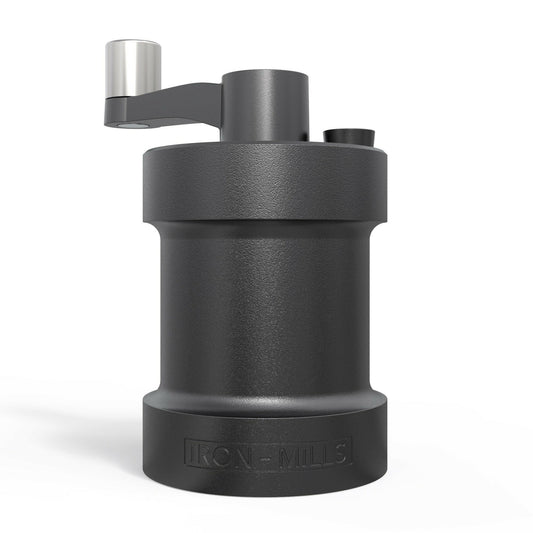
Weight is not automatically a sign of quality, but it can be useful. A substantial grinder sits firmly in the hand and is less likely to slide across the worktop when you are cooking. Cast iron offers a particularly solid feel and a material presence that suits a kitchen built around lasting tools. It does require sensible care, especially around moisture, but for many households that trade-off is more than worthwhile.
Choosing the right premium pepper grinder for your kitchen
Start with the way you actually season food. If pepper is largely a finishing touch at the table, a compact mill may be enough. If you cook often and use pepper throughout the process, capacity and grip become more valuable. Refilling a tiny grinder halfway through preparing dinner is a small irritation, but it adds up.
Think about the grind range too. Fine pepper suits sauces, soups and delicate dishes where you want warmth without obvious texture. A coarser setting is excellent for grilled meat, roasted vegetables and dishes where pepper should be seen as well as tasted. The important thing is not simply having several settings. It is having an adjustment that is easy to use and stays where you put it.
A tall mill can look impressive on the table and hold more peppercorns, but it needs to feel balanced. A shorter, wider design may offer a more secure grip, particularly for those who prefer to grind with one hand. There is no universal winner here. Handle the decision as you would any kitchen purchase: choose the form that will be comfortable enough to use daily.
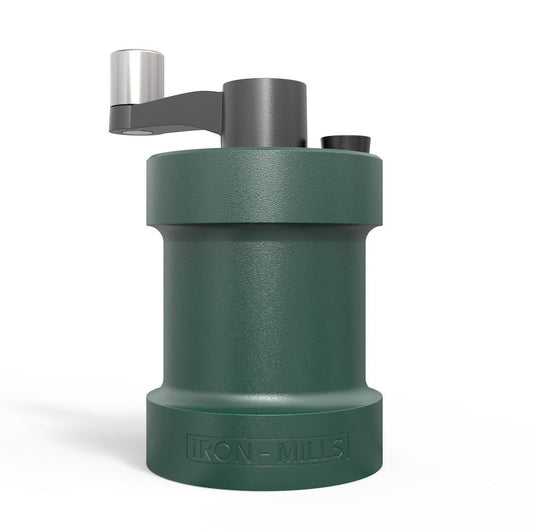
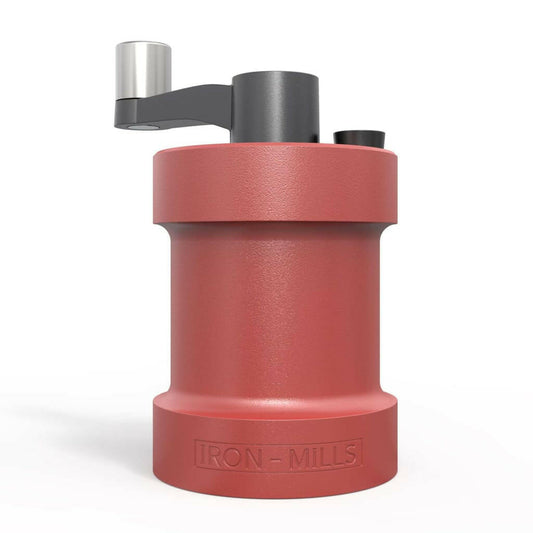
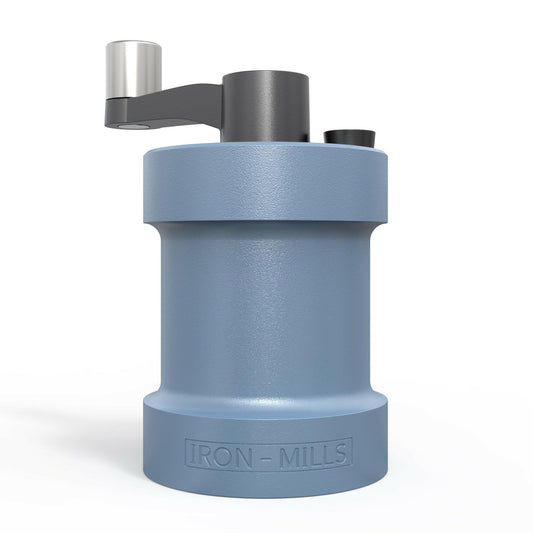
Appearance has its place as well. Pepper grinders often remain on show, so a well-made one can bring character to a dining table or open shelf. The best designs do not chase fashion at the expense of function. They use honest materials, clean proportions and a finish capable of looking good after real use, not only in a showroom photograph.
Manual or electric?
Manual grinders give you direct control. You can feel the peppercorns moving through the mechanism, vary the pace, and stop precisely when the dish has enough seasoning. They need no batteries or charging and tend to have fewer parts that can fail. For many cooks, that simplicity is the point.
Electric grinders can be convenient for one-handed use or for anyone with limited hand strength. Yet they introduce batteries, motors and electronics into a tool that is regularly exposed to cooking residue and busy worktops. A well-made electric option can suit the right household, but it is not automatically more practical. For straightforward reliability and a longer service life, a manual mill remains difficult to beat.
Materials: what lasts and what needs care
Wood, stainless steel, acrylic and cast iron all appear in premium pepper grinders, each with strengths and compromises. Wood has warmth and tradition, though its finish can suffer if repeatedly left damp. Stainless steel is smart and easy to wipe down, but may show fingerprints and can feel lighter than some cooks prefer. Acrylic makes it easy to see the peppercorn level, though it can scratch and lacks the enduring character of more substantial materials.
Cast iron is a natural fit for people who want a mill with real weight and durability. It is hard-wearing, tactile and made for the sort of kitchen where tools are expected to earn their keep. As with any cast iron item, keep it dry and avoid leaving it beside steam or standing water. Wipe away spills promptly, and it will retain its finish far better than a neglected mill.
Do not overlook the interior. The body may be beautiful, but it is the mechanism that does the hard work. Look for a grinder designed specifically for pepper, with corrosion-resistant working parts and a construction that does not allow pepper dust to escape around the adjustment point. A mill should season the food, not scatter debris across the table.
How to get a better grind every time
Buy whole peppercorns rather than pre-ground pepper. Once pepper is ground, its aroma fades quickly. Whole peppercorns protect those oils until you turn the mill, giving a brighter, fuller flavour with very little extra effort.
Keep the mill away from direct heat and steam. Storing it beside the hob may be convenient, but moisture can affect peppercorns and encourage build-up within the mechanism. A dry shelf, worktop corner or table is a better home.
Refill before the grinder is completely empty if possible, especially before entertaining. It is easier to check the mechanism and wipe the opening clean while there are still a few peppercorns inside. Use clean, dry peppercorns only. Damp seasoning is the quickest route to clumping and poor performance.
Adjustment deserves a little attention. Turn it towards fine for a more restrained, even seasoning, then open it up for dishes that benefit from a stronger pepper presence. Make small changes rather than forcing the adjuster from one extreme to the other. If the mill has a defined adjustment system, follow it rather than overtightening the mechanism in pursuit of an ultra-fine grind.
A simple care routine
Premium does not mean maintenance-free, but care need not be complicated. Empty loose pepper dust from the exterior, wipe the body with a dry or lightly damp cloth as appropriate for its material, and dry it immediately. Never immerse a pepper grinder unless the maker explicitly says it is safe to do so.
If the grind becomes less consistent, first check the peppercorns. Very soft, stale or damp peppercorns can cause problems even in a good mill. Then check that the adjustment is not set too fine and that the top or cap is properly fitted. Avoid putting water through the mechanism. If cleaning is needed, follow the manufacturer's instructions rather than improvising with soap and soaking.
When paying more is worth it
A premium pepper grinder costs more at the outset because its materials and mechanism are expected to outlast the throwaway alternatives. The real comparison is not between one expensive mill and one cheap mill. It is between buying once with confidence and replacing a disappointing grinder whenever it fails, loosens or simply stops producing a decent grind.
Look for clear evidence behind the price: a meaningful warranty, solid material choices, straightforward care guidance and a maker willing to stand behind the product. British-built credentials can also matter when they reflect genuine attention to construction rather than a label used as decoration. At Iron-Mills, the focus is simple: cast iron mills made for dependable, everyday seasoning and backed by a 10-year warranty.
Choose a pepper grinder that you will be pleased to reach for when the pan is hot and guests are waiting. Good pepper is a small detail, but the tools that deliver it should never feel like an afterthought.