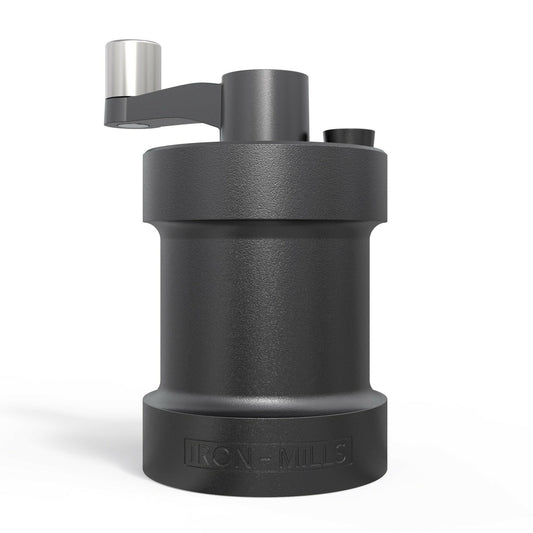
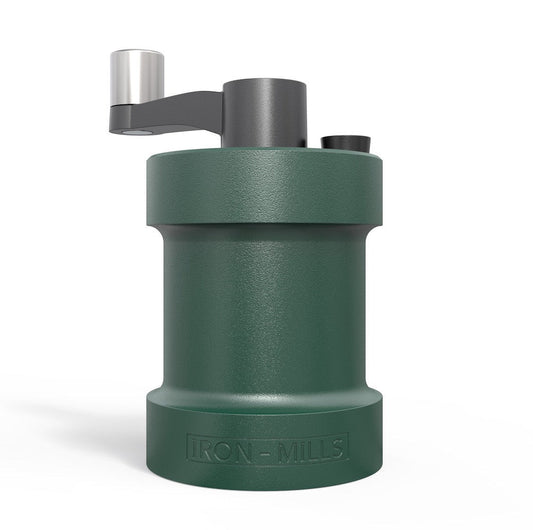
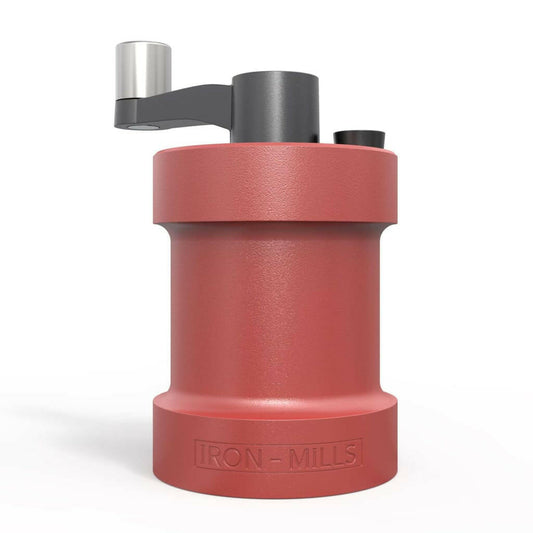
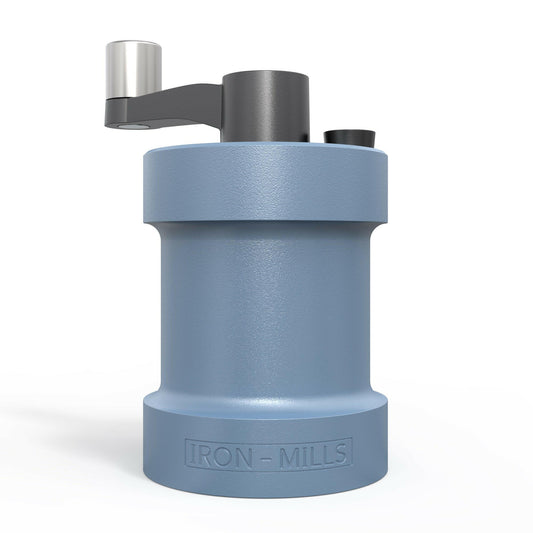
Cast Iron Grinders Built for the Long Haul
A pepper mill that feels hollow in the hand, clogs halfway through supper, or scatters uneven dust over a good steak is not a small irritation. It is a kitchen tool failing at its one job. Cast iron grinders offer a more substantial answer: dependable mills made for the daily rhythm of cooking, seasoning and serving, rather than a brief spell on the worktop before replacement.
Their appeal is not simply their weight. A well-made cast iron mill brings stability, presence and the confidence that comes from using a tool designed to earn its place in the kitchen. For home cooks who are tired of cheap mills that do not last, that difference is felt every time the seasoning is adjusted.
Why cast iron grinders feel different
Cast iron is an honest material. It has weight, texture and a naturally solid character that plastic and thin metal struggle to imitate. In a salt or pepper mill, that weight helps the grinder sit securely in the hand and remain steady on the table. It also gives the piece a sense of permanence - the sort of kitchenware you keep, use and pass around at family meals for years.
There is a practical benefit too. A mill should be comfortable enough to reach for while cooking, but substantial enough not to feel flimsy when you apply pressure. Cast iron gets that balance right when the design is considered. It is not about making a grinder needlessly heavy; it is about making it reassuringly capable.
The material also suits kitchens that favour lasting design over passing trends. A cast iron mill looks at home beside a heavy roasting tin, a wooden chopping board and a well-used casserole dish. It does not need loud styling to make an impression. Its finish and form do the work.
What makes a good cast iron grinder?
The outer body matters, but it is only part of the story. The real test is whether the mill seasons food cleanly, consistently and without fuss. A premium grinder should produce an even result at the setting you choose, whether you are finishing a tomato salad with fine pepper or preparing a thick cut of meat with a coarser grind.
A mechanism that handles daily use
The grinding mechanism is where poor mills usually show their weakness. It may slip, jam, wear down quickly or deliver an unpredictable mix of dust and oversized pieces. That is frustrating when you are cooking, and particularly noticeable at the table.
Look for a mill built around reliable, durable components and a sensible adjustment system. The setting should be easy to control, staying where you put it rather than loosening as you use the mill. Fine seasoning needs precision; coarse seasoning needs a mechanism with enough authority to crack peppercorns properly. Neither should feel like hard work.
Salt demands particular care. It attracts moisture, which can lead to clumping and corrosion in unsuitable mechanisms. A dedicated salt mill should be specified for that job, rather than treated as an afterthought. The right pairing of mill and mechanism protects performance over time.
A finish made for a working kitchen
Cast iron deserves a finish that respects the material and stands up to everyday handling. Kitchen tools are touched with damp hands, moved between hob and table, and occasionally caught by a splash of sauce. That does not mean they should be precious.
A quality finish helps protect the body while retaining the depth and character that make cast iron appealing. Basic care still matters. Wipe the exterior with a soft, dry or lightly damp cloth as needed, then dry it thoroughly. Avoid soaking a cast iron grinder or putting it through the dishwasher. It is a simple routine, and a fair trade for an object built to stay in use.
A shape that earns its space
A mill is used more often than many people realise. It comes out for eggs on toast, a midweek pasta, Sunday lunch and meals shared with friends. Shape matters because a grinder should sit naturally in the hand and pour its seasoning where it is wanted, not across the worktop.
It should also look right when left out. The best kitchenware does not need to be hidden in a cupboard between uses. A pair of properly made salt and pepper mills can give a dining table a finished, purposeful look, whether the occasion is a simple supper or a table laid for guests.
Choosing the right mill for your kitchen
There is no single correct size or style. It depends on how you cook and where the mill will live. A larger grinder has real presence and can suit a generous worktop or dining table, while a more compact form may make more sense in a smaller kitchen or beside the hob.
Think about the ingredients you use most. If you cook with pepper daily, a pepper mill should have the capacity and mechanism to keep pace. If salt is used mainly at the table, a matching salt mill may be the better companion. Buying a pair gives the kitchen visual consistency, but only if each piece is genuinely designed for its particular seasoning.
Gift buyers should consider the same question. A good mill is a useful present because it is neither novelty clutter nor an item reserved for special occasions. For a wedding, housewarming, anniversary or Christmas, cast iron has the welcome feel of a proper, long-term gift. It says that everyday things can be made well.
The false economy of cheap grinders
Low-cost mills can seem sensible until they begin to fail. A cracked acrylic body, a loose top, fading coating or blunt grinder does not merely spoil the appearance of the item. It turns seasoning into a nuisance and sends another object towards the bin.
The better calculation is not the ticket price alone, but cost over years of use. A well-built mill that continues to grind properly and looks good after countless meals is often the more economical choice. It also removes a familiar annoyance from the kitchen: replacing things that should have lasted.
That is why warranty coverage matters. It is more than a line on a product page. A meaningful warranty shows that a maker expects its product to keep doing its job. When paired with British manufacturing and straightforward materials, it gives buyers something useful: confidence before the mill even reaches the table.
Iron-Mills approaches the category with that standard in mind - professional kitchenware made to withstand everyday use, not disposable accessories dressed up as premium goods.
How to keep a cast iron mill performing well
Good care is uncomplicated. Keep the grinder dry, store it away from direct splashes around the sink, and refill it with dry, good-quality salt or whole peppercorns. Do not force a mechanism if it becomes blocked; empty it, check the seasoning for moisture or debris, and clean according to the maker's instructions.
When refilling, take a moment to check the adjustment setting and the lid or cap. This small habit keeps the mill ready for the next meal. It also prevents salt crystals or pepper fragments from collecting where they do not belong.
Most importantly, use it. Cast iron kitchenware is at its best when it is part of the routine: a firm twist over a bubbling pan, a final crack of pepper over a plate, a familiar object passed across the table without a second thought.
A good grinder will not make dinner for you. It will do something better: remove one small point of failure from the cooking you enjoy, meal after meal.