Top Peppercorn Varieties for Better Cooking
A decent pepper mill deserves more than whatever anonymous black pepper happens to be on the supermarket shelf. The top peppercorn varieties bring very different levels of heat, fragrance and depth to the plate, and the difference is immediately clear when they are freshly ground over proper food.
Pepper is not merely a finishing touch. It can sharpen a rich steak, give warmth to a simple tomato sauce, lift scrambled eggs or add a clean, fragrant edge to strawberries. Choosing the right variety is a small decision that makes everyday cooking taste more considered - without making it fussy.
Top peppercorn varieties worth keeping in the kitchen
Tellicherry black peppercorns
For many home cooks, Tellicherry is the peppercorn to start with. Grown on India’s Malabar Coast, these are mature berries left on the vine for longer before harvesting. That extra time produces a larger peppercorn with a rounded, warm heat and notes that can seem citrusy, woody and slightly fruity.
Tellicherry pepper is a dependable all-rounder. Use it over grilled meat, roast vegetables, creamy pasta, soups and eggs. It has enough presence to stand up to a rib of beef, yet it does not flatten more delicate ingredients. If you want one peppercorn in your everyday mill, this is a sound choice.
The trade-off is price. Proper Tellicherry peppercorns cost more than standard black pepper, but they also deliver more flavour with every turn of the mill. Buy whole, keep them dry and grind only what you need.
Malabar black peppercorns
Malabar peppercorns come from the same broad region as Tellicherry, but they are generally picked at a different stage or graded differently. Expect a direct, earthy heat with a familiar peppery character. It is less perfumed than Tellicherry but far from ordinary when it is fresh.
This is the practical workhorse for a busy kitchen. Malabar black pepper suits stews, shepherd’s pie, sauces, marinades and weekday trays of roasted vegetables. It brings the expected bite without demanding attention, which is exactly what many dishes need.
A good Malabar peppercorn is proof that everyday seasoning need not be bland. It is also a sensible option for cooks who use plenty of pepper and want quality without reserving it only for a special occasion.
Kampot black peppercorns
Kampot pepper from Cambodia has earned a devoted following for good reason. Black Kampot pepper is often bright and aromatic, with floral, eucalyptus-like and gently sweet notes beneath its heat. It is more expressive than a standard black peppercorn, so use it where its character can be noticed.
Try it on grilled fish, tomatoes, soft cheeses, roast chicken or a simple dressing made with good olive oil. It is particularly good when freshly ground at the table over dishes with few ingredients. In a heavily spiced curry or a long-cooked casserole, some of its finer detail may be lost.
Kampot peppercorns are a choice for the cook who enjoys paying attention to ingredients. They are not required for every meal, but they can turn a plate of burrata and ripe tomatoes into something memorable.
Sarawak black peppercorns
Sarawak pepper, grown in Malaysian Borneo, tends to offer a clean, brisk heat with citrus and pine-like notes. It is lively rather than heavy, making it a useful match for seafood, stir-fries, noodle dishes and lighter poultry recipes.
Where a rich, earthy black pepper can feel too forceful, Sarawak often gives a fresher result. It is especially useful in dishes with ginger, lemongrass, lime or coriander, where you want pepper to add lift rather than weight. Keep it in its own mill if you cook a lot of Asian-inspired food, rather than blending it into a generic pepper mix.
White peppercorns
White pepper is not a pale version of black pepper. Both usually begin as the fruit of the Piper nigrum vine, but white pepper has its dark outer skin removed after soaking. The result is a more concentrated, fermented aroma and a heat that reaches the palate differently.
It is the right choice when you want pepper warmth without black flecks. Think béchamel, cauliflower cheese, mashed potato, creamy soups, fish pie and pale sauces. It also has a traditional place in Chinese cookery, where its distinctive heat works well in hot and sour soup, congee and stir-fries.
White pepper is divisive. Some people find its earthy, slightly barnyard-like aroma compelling; others do not. Start with a small amount and judge it in the finished dish. It is not a substitute for black pepper in every recipe, but in the right food it is exactingly good.
Green peppercorns
Green peppercorns are picked before ripening and preserved by freeze-drying, brining or packing in vinegar. Fresh or freeze-dried examples have a soft, grassy flavour and a gentler heat than black pepper. Brined green peppercorns add a pleasing sharpness and a little acidity as well.
They are classic in peppercorn sauce, particularly with steak, but do not stop there. Crush them into cream sauces, fold them through pâté, use them with duck or add them to a potato salad. Because many green peppercorns are soft or packed in brine, they are usually better crushed with a knife or added whole than put through a dry pepper mill.
Pink peppercorns
Pink peppercorns look the part, but they are not true peppercorns. They come from a different plant, usually the Peruvian pepper tree, and have a sweet, floral, resinous flavour with only mild heat. Their colour and aroma make them useful as part of a seasoning blend or as a finishing ingredient.
Use them with salmon, goat’s cheese, beetroot, duck, chocolate and fruit-based desserts. Their delicate shells can be crushed easily, but they are best mixed sparingly with black peppercorns rather than used alone in a mill. Too many can make a dish taste perfumed rather than properly peppery.
There is one sensible caution: people with certain tree-nut allergies may react to pink peppercorns. If you are cooking for guests, ask first rather than treating them as a harmless garnish.
Choosing top peppercorn varieties for your mill
The best choice depends on what you cook and how you like your seasoning to behave. For one dependable household mill, choose Tellicherry or a good Malabar black pepper. If you enjoy lighter dishes and seafood, Sarawak can earn a permanent place beside it. Keep white pepper in a separate mill or small grinder for sauces and pale dishes where its flavour makes sense.
Avoid filling one mill with every peppercorn you own. A blend can be excellent, but it should be deliberate. Black, white, green and pink peppercorns do not all have the same hardness, moisture level or flavour intensity. Brined green peppercorns should never go into a standard dry mill, and pink peppercorns are better used as a minority ingredient in a blend.
Grind size matters too. A fine grind disperses quickly through sauces, soups and rubs. A coarse grind gives a bolder burst of flavour on steak, salads and finished dishes. Cheap grinders tend to produce dust one moment and large fragments the next, which makes good peppercorns work harder than they should. A solid, adjustable mill gives you control over both the quantity and the texture.
Freshness is part of the flavour
Whole peppercorns keep their character far longer than pre-ground pepper, but they are not indestructible. Store them in an airtight container away from heat, steam and direct sunlight. Do not keep a refill bag beside the hob, where warmth and moisture will dull the oils that carry their fragrance.
Buy quantities that suit how you cook. A large bag can be good value for a household that seasons generously, but a smaller refill makes more sense if pepper is used occasionally. When your peppercorns smell flat before grinding, or taste only hot rather than aromatic, it is time to replace them.
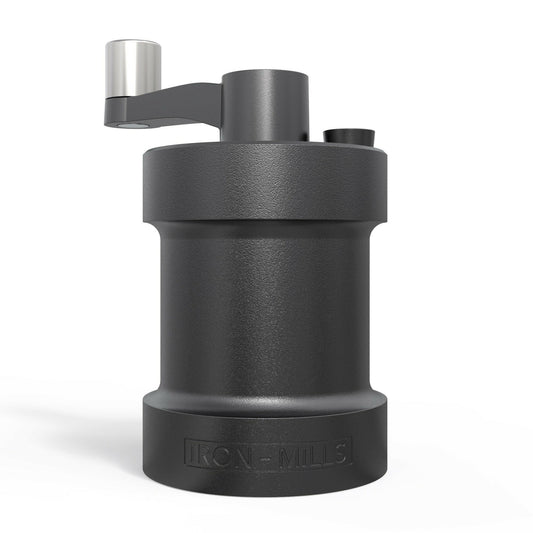
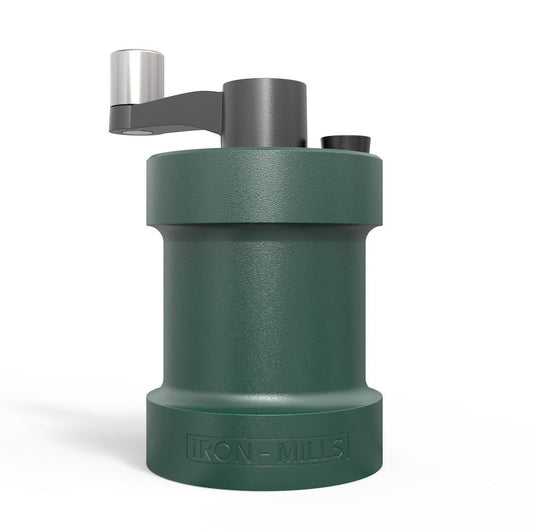
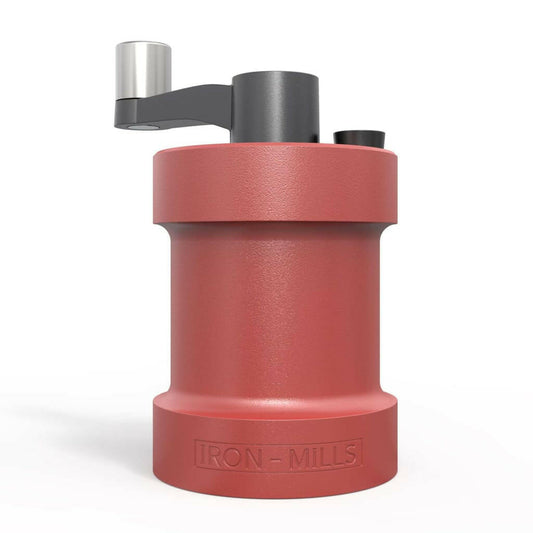
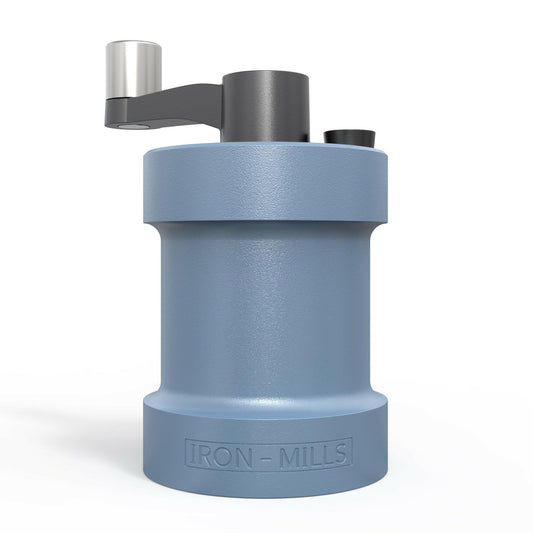
A well-made mill helps here. Its job is not to decorate the worktop; it should crack each peppercorn cleanly and consistently. Iron-Mills cast iron mills are built for that daily work, giving quality peppercorns the firm, reliable grind they deserve.
The next time you season supper, pause before reaching for the usual black dust. Try a bright Sarawak on fish, white pepper in a velvety sauce or a few crushed pink peppercorns over roast beetroot. Good cooking is often built on modest choices made properly, and fresh pepper is one of the easiest places to start.