Premium Mills or Cheap Grinders?
You notice it at the exact wrong moment. The pan is hot, the guests are nearly seated, and the pepper mill gives up with a dull crunch instead of a clean twist. That is the real question behind premium mills or cheap grinders - not what looks fine on a shelf, but what still works properly when you cook every day.
A seasoning mill is not a novelty. It is one of the few tools you reach for constantly, often without thinking. That matters. When a grinder feels loose in the hand, sheds fragments, jams under pressure or produces a weak, uneven crush, it turns a basic kitchen task into a minor irritation. Once you have dealt with that often enough, the appeal of buying another low-cost replacement starts to wear rather thin.
Premium mills or cheap grinders - what are you really paying for?
The price difference is only part of the story. Cheap grinders are usually built to hit a price point first. Materials tend to be lighter, mechanisms simpler, and the whole piece is often treated as temporary from the day it is made. It may look acceptable at first glance, but repeated use exposes the weak spots quickly - worn teeth, cracked housings, inconsistent output and a general sense that the thing was never meant to last.
A premium mill should justify itself in use, not just in packaging. Weight, balance and construction all matter, but they must lead to something practical: a smoother grind, better control and dependable performance over years rather than months. If you cook often, that difference is not theoretical. It shows up every night at the hob, at the table, and when you season by instinct rather than by guesswork.
There is also the matter of waste. Replacing flimsy grinders again and again is rarely the bargain it first appears to be. You spend less upfront, certainly, but you buy more often, tolerate poorer performance, and usually end up with a drawer full of failed kitchen bits that were too cheap to repair and too disappointing to keep.
The daily difference is in the grind
Salt and pepper are simple ingredients, but the way they are milled changes how they behave in food. A proper mechanism produces a more consistent grind size, which means more even seasoning. That matters whether you want a fine dusting over eggs, a medium grind for roast vegetables or a coarser finish on a steak.
Cheap grinders often struggle here. One turn gives powder, the next gives oversized chunks, and the next gives almost nothing at all. That inconsistency makes seasoning harder to judge. You either under-season because the output is weak, or overdo it because a jam suddenly clears and dumps half the contents onto the plate.
A well-made mill gives control. It responds properly to the hand, grinds cleanly and keeps that standard over time. For confident home cooks, that reliability is worth far more than the small saving of a throwaway alternative.
Materials tell you what kind of product it is
You can learn a lot from what a mill is made from. Lightweight plastics, thin casings and low-grade internal parts usually point to short-term thinking. They are chosen because they are cheap to produce, not because they improve the experience of cooking.
Heavier-duty materials send a different message. Cast iron, for example, has real presence. It feels solid because it is solid. It resists the flimsy, disposable quality that defines so much mass-produced kitchenware. More importantly, it suits the job. A mill should feel stable in the hand and capable of repeated use without loosening, flexing or deteriorating.
That does not mean every expensive-looking grinder is automatically well made. Some trade on appearance alone. The test is simple: does the construction support daily use, and does it still feel sound after months on the worktop? Premium should mean substance, not decoration.
Why cheap grinders disappoint so quickly
The frustration with low-cost grinders is rarely just one fault. It is the accumulation of small failures. The mechanism sticks. The body feels uncertain. The grind becomes patchy. Refilling is fiddly. The cap no longer fits quite right. Nothing dramatic perhaps, but enough to make the tool irritating.
That is why people often keep replacing them while telling themselves the next one will be fine. It usually is fine - briefly. Then the same pattern returns.
For gift buyers, this matters as well. A seasoning mill can be a handsome and practical present, but only if it has staying power. Nobody wants to give a kitchen gift that feels tired after a season of use. A premium mill has the sort of permanence that makes it appropriate for weddings, housewarmings and serious home cooks alike.
Premium mills or cheap grinders in long-term value
If you only compare ticket price, cheap grinders appear to win. If you compare years of use, the picture changes. A reliable mill that performs well for the long haul can be the less expensive choice in any meaningful sense.
Long-term value comes from three things. First, durability. A mill that is built properly does not need replacing every year. Second, performance. Better seasoning improves everyday cooking, which is the whole point of owning the thing. Third, confidence. When a product is backed by a serious warranty, it suggests the maker expects it to last.
That last point should not be overlooked. Promises are easy. A long warranty is harder to offer unless the product is made to stand up to use. For buyers who are tired of paying repeatedly for underwhelming kitchen tools, that sort of reassurance matters.
Built well means it feels better to use
There is a practical pleasure in using tools with real heft and integrity. Not luxury for its own sake - simply the satisfaction of something that works as it should. A good mill turns smoothly, sits comfortably in the hand and feels dependable from the first use onwards.
That changes the whole relationship with the product. You stop treating it as a disposable item and start seeing it as part of your kitchen kit, like a trusted pan or a proper cook's knife. It earns its place.
For many households, that also ties into how the kitchen looks and feels. Cheap grinders often appear generic and temporary. A well-made mill with honest materials has more character. It adds to the space rather than cluttering it with another forgettable object.
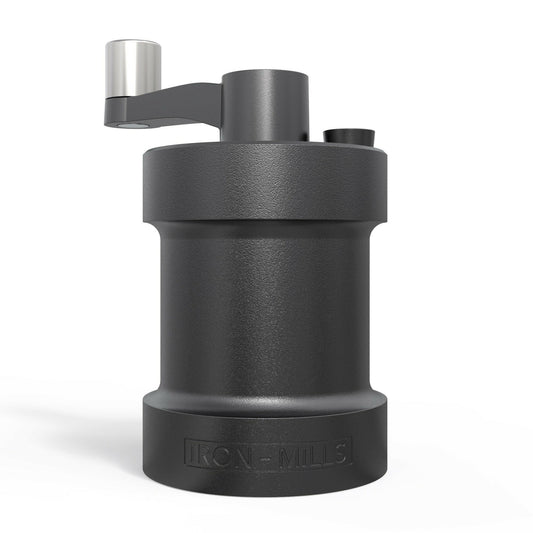
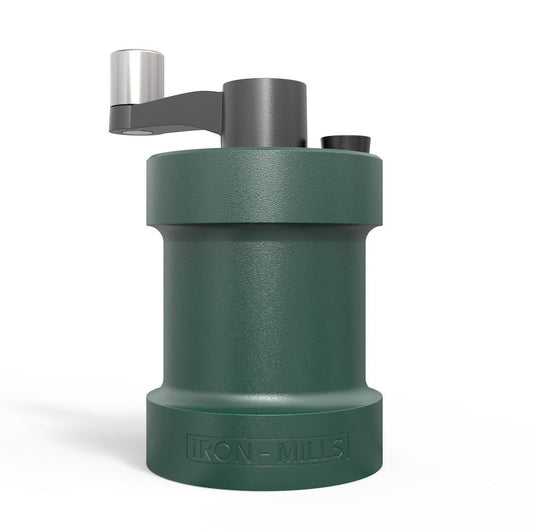
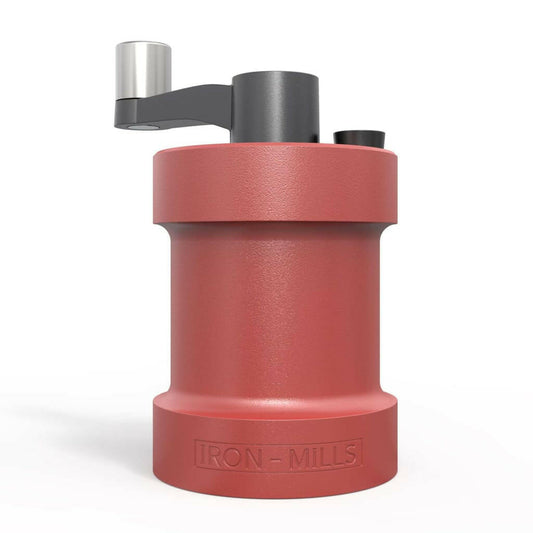
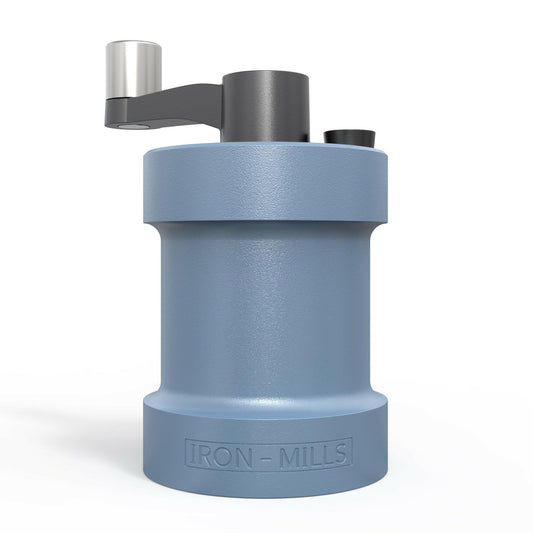
British-made kitchenware carries extra weight here, and not just literally. There is a straightforward appeal in buying something built with care, backed by recognisable standards and made to serve for years. Iron-Mills speaks to that preference clearly - solid construction, professional intent and none of the throwaway feel that plagues this category.
Who should buy premium, and who might not need to?
It depends on how you cook and what bothers you. If seasoning is something you do absent-mindedly once in a while, and you are genuinely content replacing tools when they fail, a cheap grinder may seem sufficient for a time.
But if you cook regularly, care about consistency and dislike waste, premium is the sensible choice. The same goes for anyone furnishing a kitchen properly rather than patching it together with short-lived stopgaps. Home cooks who value materials, gift buyers who want to give something lasting, and households tired of flimsy accessories will feel the difference quickly.
There is also a middle ground worth mentioning. Some shoppers do not want the cheapest option, but hesitate at premium pricing because they assume all mills do roughly the same job. They do not. In a category used daily, build quality is not a luxury extra. It is the product.
The better question to ask before you buy
Rather than asking which grinder costs less today, ask which one you would rather still be using in five or ten years. Ask which one will season evenly on a busy Tuesday night, clean up well, refill without fuss and keep its mechanism intact. Ask whether you want another temporary fix or a proper piece of kitchenware.
That tends to sort the field quite quickly.
Good tools repay you quietly. They save time, reduce annoyance and make everyday cooking feel more assured. A proper mill will never be the loudest purchase in your kitchen, but it may be one of the most sensible. When you are tired of cheap mills that do not last, buying once and buying well starts to look less like a splurge and more like simple common sense.
Choose the mill that earns its place every day, not the one that merely survives the first few weeks.