Home Chef Kitchen Upgrade: What to Buy First
A proper home chef kitchen upgrade does not begin with a matching set of gadgets. It begins at the point where cooking becomes frustrating: a blunt knife crushing tomatoes, a thin pan scorching onions, or a pepper mill that delivers dust one day and nothing the next. Fix those daily irritations and the whole kitchen works harder for you.
The aim is not to make your kitchen look professional for a photograph. It is to give you reliable equipment that makes Tuesday-night suppers, Sunday roasts and dinner for friends easier to cook well. Choose fewer things, choose them properly, and buy with the next decade in mind.
Start Your Home Chef Kitchen Upgrade With the Workhorses
The best upgrades are the tools you reach for almost every time you cook. They should feel good in the hand, perform consistently and stand up to use without becoming another item destined for the back of a cupboard.
Start with one excellent chef's knife rather than a large knife block full of mediocre blades. A knife that is comfortable, balanced and kept sharp changes prep work immediately. You will slice herbs cleanly, dice onions more neatly and spend less time forcing the blade through ingredients. Pair it with a solid chopping board that stays put on the worktop. Wood is kind to knife edges, while quality plastic boards can be practical for raw meat and easy cleaning. Many keen cooks keep both.
A good pan is the next sensible investment. You do not need every material in every size. A heavy frying pan for high-heat cooking, a dependable saucepan for grains and sauces, and a larger casserole or stockpot will cover most households. The right choice depends on how you cook. Cast iron retains heat beautifully for searing, roasting and baking, but it is heavy and needs a little care. Stainless steel is hard-wearing and versatile, though it rewards patience while it heats. Non-stick has a place for eggs and delicate fish, but it is not the forever pan many shoppers hope it will be.
Buy pans with a purpose, not because a boxed set makes the decision easy. One pan you trust is worth far more than five that warp, scorch or lose their finish after a year.
Put Precision Where Flavour Is Won or Lost
Home cooking is often decided by small details. The chicken may be beautifully cooked, but it still needs enough seasoning. The salad may have fine ingredients, but it needs acid, salt and pepper in the right balance. This is where proper kitchen tools stop being an indulgence and become part of the result on the plate.
Freshly ground salt and pepper offer control that pre-ground seasoning cannot. You can add a gentle finish to scrambled eggs, a generous crack of pepper to steak, or a coarser grind for a pepper-crusted roast. Just as importantly, a reliable mill should give you that control without jamming, shedding mess across the table or failing after a short spell of use.
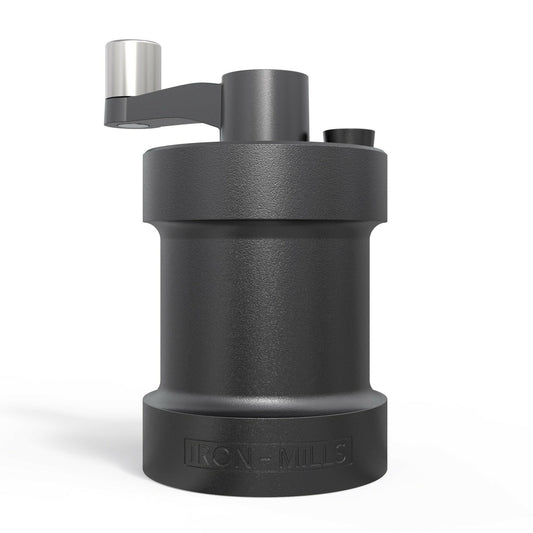
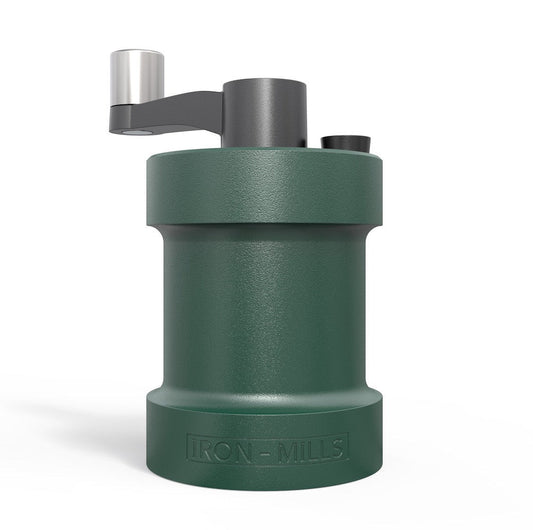
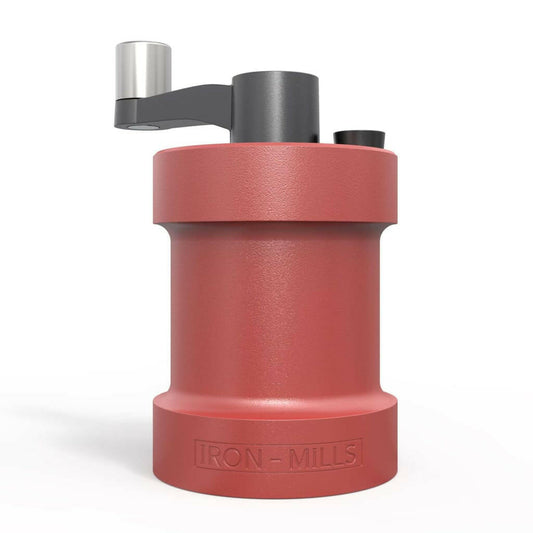
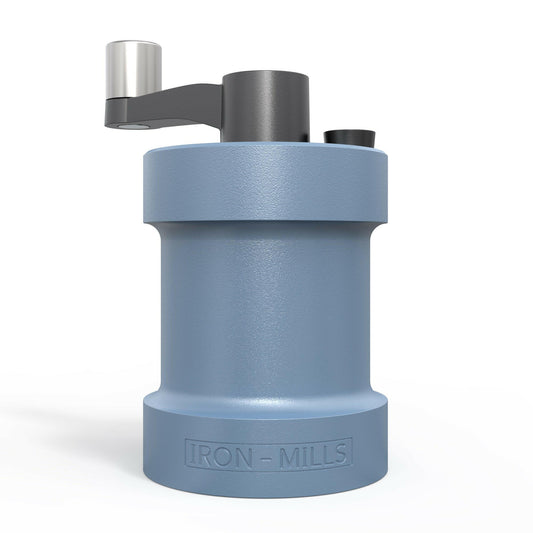
Cheap grinders are a familiar false economy. Their mechanisms wear, their bodies crack and their output becomes inconsistent. A substantial mill made from durable materials feels different because it is different: it is designed to be used every day, not replaced when the novelty wears off. A cast iron salt and pepper mill also brings a reassuring weight and presence to the worktop or dining table. It is a useful object, but it need not look disposable.
Iron-Mills is built around that straightforward principle: professional-grade seasoning mills, made in Britain for long-term daily use. For cooks who care about the finish of a dish, a dependable mill is not a decorative extra. It is part of the kit.
Do not confuse more settings with better control
Adjustable grind settings can be useful, but the mechanism matters more than a long list of positions. Ask whether the mill turns smoothly, whether it gives a consistent grind and whether it is made to cope with regular refilling. A simple, well-built adjustment is usually more useful than a complicated mechanism that becomes temperamental.
Salt also deserves its own mill. Salt and pepper behave differently, and a dedicated grinder for each means better control when seasoning at the hob and at the table. It also saves the repeated inconvenience of switching between seasonings when cooking.
Upgrade the Prep Area Before Buying Gadgets
A clear, organised prep area makes cooking feel calmer and faster. That does not mean turning your worktop into a showroom. It means giving the essential tools a sensible home and removing the clutter that steals space when you need it most.
Keep the items you use daily within easy reach: your knife, board, cooking utensils, seasoning and a bowl for trimmings. Store specialist equipment elsewhere. A spiraliser used twice a summer, a bread maker gathering dust or an oversized mixer that never leaves the cupboard should not dictate how your kitchen functions every day.
A digital scale is one modest exception to the gadget rule. It earns its place for baking, coffee, dough and recipes where consistency matters. Measuring by weight is quicker than filling several measuring spoons, creates less washing up and makes it easier to repeat a successful dish. An instant-read thermometer is another practical choice for anyone who regularly cooks meat, fish or caramel. It removes guesswork without taking over the process.
Good storage helps too, especially if you buy ingredients in larger quantities. Airtight containers keep flour, rice and dried pulses tidy, while labelled jars help you see what needs using. But do not decant everything simply for appearances. Original packets often carry cooking instructions and dates that are useful to keep. Organise for the way you actually cook, not for a perfectly uniform shelf.
Choose Materials That Improve With Use
A worthwhile kitchen is allowed to show that it is used. A wooden board may deepen in colour. Cast iron develops character. Stainless steel can pick up marks while continuing to perform brilliantly. These are not necessarily faults. They are often the evidence of materials chosen for service rather than short-lived perfection.
That does not mean every premium item is automatically worthwhile. Some things genuinely wear out, and some specialist tools are only sensible if they match your habits. If you bake sourdough each weekend, a cast iron casserole may be an excellent purchase. If you make one loaf at Christmas, it may be expensive cupboard storage. If you entertain often, serving pieces and generous pans will earn their keep. If you cook for one or two, compact, versatile equipment may serve you better.
The useful question is not, "Would a restaurant kitchen have this?" It is, "Will I use this often enough to value it?" A home chef kitchen upgrade should suit your space, your cooking and the people you feed.
Look after the equipment worth keeping
Durability is a partnership. Keep knives sharp rather than waiting for them to become difficult to use. Dry cast iron thoroughly after washing and follow the care guidance for seasoning where needed. Avoid harsh scouring on coated cookware. Clean mills according to their material and keep them away from unnecessary moisture.
A little maintenance protects performance, but it also helps you notice problems before they become permanent. A loose handle, worn board or damaged coating is easier to address early than after months of putting it off.
Build Around the Meals You Cook Most
The most satisfying kitchen improvements are tied to real meals. If your household lives on stir-fries, prioritise a wide frying pan, sharp knife and bowl that makes prep easy. If you love slow-cooked stews, invest in a casserole dish that moves confidently from hob to oven. If baking is your favourite weekend ritual, choose accurate scales, sturdy tins and a mixing bowl that will not skid across the counter.
Then consider the final seasoning. A proper pinch of salt and freshly ground pepper can bring a simple tomato sauce, roast vegetables or a bowl of soup into focus. It is a small act, repeated constantly, which is exactly why the tool doing it should be built to last.
Buy the piece that solves the annoyance you meet most often, use it properly, and let the next upgrade reveal itself through your cooking.