How to Prevent Pepper Mill Clogging for Good
A pepper mill should give you a clean, confident twist and a proper shower of freshly cracked pepper. When it suddenly stiffens, produces a weak dusting or refuses to turn at all, the cause is usually not mysterious. To prevent pepper mill clogging, keep moisture away from the mechanism, choose dry whole peppercorns and avoid treating a mill like a container for every spice in the cupboard.
A good mill is built for years of proper use, but even durable kitchenware performs best with sensible care. The small habits below protect the grinding mechanism, preserve the flavour of your pepper and spare you the frustration of a grinder that lets you down halfway through dinner.
What Causes a Pepper Mill to Clog?
Pepper is naturally oily. That is part of what makes freshly ground pepper so fragrant, but those oils can collect around the grinding teeth over time. Add steam from a simmering pan, damp hands or a humid cupboard, and fine pepper particles can cling together into a stubborn residue.
The setting matters too. A mill adjusted to its finest setting produces smaller particles, which are more likely to settle in the mechanism. Fine grinding is useful for sauces, dressings and certain delicate dishes, but it asks more of the mill than a medium or coarse setting. If your pepper mill is becoming slow, opening the setting slightly is often the first sensible test.
The other common culprit is what goes into it. Pre-ground pepper, soft pink peppercorns, herb blends and spices with a high oil content are not a straightforward substitute for dry, whole black peppercorns. They can pack down, fracture unevenly or leave residue where it does not belong. A pepper mill works best when it is given the ingredient it was designed to grind.
Use Properly Dried Whole Peppercorns
Start with whole peppercorns from a reputable source. They should feel hard and dry, with a clean peppery aroma rather than a stale or musty smell. Freshness matters, but freshly bought does not mean damp. If peppercorns have been stored near a cooker or in a humid pantry, leave them in a dry, sealed container before filling the mill.
Avoid overfilling. It is tempting to fill a large mill to the brim and forget about it for months, particularly in a busy kitchen. Yet a smaller working quantity gives you a chance to refresh the pepper more regularly and limits the time it spends exposed to changing temperatures and humidity. Fill the mill to a sensible level, then top it up when needed.
If you enjoy a mixed peppercorn blend, check what is in it. Blends containing mostly black, white and green peppercorns may work well when thoroughly dried, depending on the grinder and the blend itself. Pink peppercorns are softer and can be troublesome in high quantities. Keep them for a mortar and pestle, or use a blend specifically suited to your mill.
Never Fill a Pepper Mill with Ground Pepper
Ground pepper seems harmless, but it is the quickest route to a blocked mechanism. Its fine particles settle into every gap and offer no structure for the grinding teeth to catch. It also absorbs moisture much faster than whole peppercorns.
Keep pre-ground pepper in a separate shaker if you need it for baking, large-scale seasoning or a recipe where speed matters. Your mill is there for the flavour and texture only freshly ground pepper can deliver.
Keep Steam Away from the Grinder
The most reliable rule is also the simplest: grind pepper over your plate, bowl or hand, not directly over a steaming pan. A pot of pasta, a casserole or a pan of sauce sends warm moisture upwards. That moisture rises into the underside of the mill, where it can settle around the grinding mechanism.
This is particularly relevant when cooking with a lid lifted. The rush of steam may only last a few seconds, but repeated exposure builds up. Season food just after plating, or grind into your palm and add the pepper from there. It is a small adjustment that also gives you more control over how much you use.
Do not leave a mill beside the kettle, dishwasher vent or sink either. A handsome mill deserves a place on the worktop, but choose a dry spot away from splashes and constant bursts of heat. If your kitchen is especially humid, storing it in a cupboard between meals may be the better choice.
Clean It Without Introducing More Moisture
A blocked pepper mill does not need soaking. In fact, water is the one thing you should keep well away from the internal grinding mechanism. Do not run it under the tap, put it in the dishwasher or use a wet cloth around the opening.
First, empty out the peppercorns. Turn the mill upside down over a dry bowl and gently tap it to release loose pieces. Set the grinder to a coarser setting, then turn it several times to help clear any trapped fragments. A small, clean, dry brush can remove visible pepper dust from the underside and around the adjustment area.
If oily residue is affecting performance, leave the empty mill open in a dry, well-ventilated place for several hours before refilling. The aim is to let any lingering moisture dissipate, not to force the issue with liquid cleaners. A dry cloth is enough for the exterior of a cast iron mill, followed by a careful buff to keep it looking its best.
For a particularly stubborn blockage, consult the care instructions supplied with your specific mill before taking anything apart. Grinding mechanisms vary, and a solid, well-made mill is worth handling with the same care you would give a good kitchen knife.
Adjust the Grind Setting with Care
Many apparent clogs are really an overly tight adjustment. When the mechanism is set very fine, a small piece of peppercorn skin or a build-up of fine particles can stop the flow. Loosen the adjustment slightly, turn the mill a few times and see whether the grind returns to normal.
Use a medium setting as your everyday default. It gives enough texture for roast vegetables, eggs, steak and everyday table use without placing unnecessary strain on the mechanism. Reserve a very fine grind for the dishes that genuinely call for it, and return the mill to medium afterwards.
There is no single correct setting. A coarse crack suits a pepper-crusted steak; a finer grind may suit a creamy sauce. The point is to make deliberate adjustments rather than tightening the mechanism as far as it will go and leaving it there.
Store Your Mill Ready for the Next Meal
A quality pepper mill earns its place within reach, but it does not belong in a damp or greasy zone of the kitchen. Wipe the outside after cooking, especially if it has been handled with oily hands, and stand it upright. This helps keep loose fragments where they should be and keeps the table or worktop tidy.
If you are putting a mill away for an extended period, such as before a holiday or after a seasonal kitchen clear-out, empty it first. Peppercorns are far happier in an airtight jar than in a mill left unused through weeks of fluctuating temperature. Refill it when you are ready to cook again.
When It Is Time to Replace the Peppercorns
Not every problem is a mechanical one. Peppercorns that have lost their aroma will still grind, but they will not bring much to the plate. If you need a large amount just to taste any heat, empty the mill and start again with a fresh batch.
Old pepper can also leave more dust behind, especially if the bag has spent too long open in a cupboard. Replacing it regularly keeps the flavour lively and gives you a natural opportunity to inspect and clear the mill before residue becomes a problem.
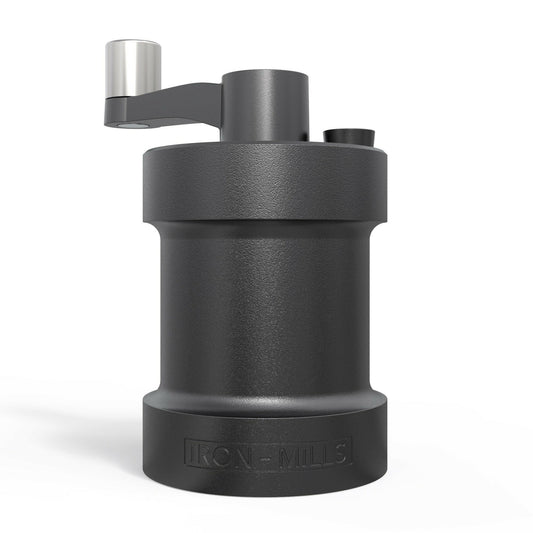
A dependable mill should feel like part of the rhythm of cooking, not another kitchen job waiting to happen. Choose dry peppercorns, keep clear of steam and clean with a dry hand. With a properly made mill, including the cast iron mills built by Iron-Mills, those straightforward habits keep every turn steady, aromatic and ready for supper.