How to Clean Salt Mills Properly
A salt mill that starts crunching unevenly, sticking halfway through a turn, or dropping dusty clumps onto supper is usually asking for one thing - a proper clean. If you are wondering how to clean salt mills without damaging the mechanism, the good news is that it is straightforward when you use the right method and avoid shortcuts that do more harm than good.
The mistake most people make is treating a salt mill like any other kitchen item. Salt is not especially forgiving. It attracts moisture, compacts easily, and leaves fine residue around the grinding mechanism. That means a mill can look perfectly respectable on the worktop while quietly building up the sort of blockage that ruins performance over time.
A well-made mill should give years of dependable service, but even solid, long-lasting kitchenware needs basic care. Clean it properly, and the grind stays consistent. Ignore it, and even a premium mill will start to feel strained.
Why salt mills need different care
Salt behaves differently from pepper, spices, or dried herbs. Moisture is the main culprit. Even a little damp in the air, on your hands, or in the salt itself can encourage clumping inside the chamber and around the grinder. Once that residue hardens, the mill has to work harder with every turn.
That is why cleaning a salt mill is not simply about appearance. You are protecting the grinding mechanism and preserving the feel of the mill in daily use. A quality mill should turn with confidence, not resistance.
It also matters what your mill is made from. Strong, well-engineered mills are built to last, but they still benefit from sensible maintenance. The goal is not constant fussing. It is occasional, careful cleaning that prevents avoidable wear.
How to clean salt mills without causing damage
Before you begin, check whether the mill is empty or nearly empty. Cleaning is far easier when there is little salt left inside. If it is still fairly full, empty the contents into a dry bowl or airtight container first.
Start by wiping the outside with a soft, dry cloth. If there is grease or kitchen residue on the body, use a barely damp cloth and dry it immediately. Do not soak the mill or run it under the tap. Water is the quickest way to create fresh clumping inside the mechanism and may damage finishes, depending on the construction.
Next, open the mill according to its design. Some unscrew from the top, others from the base or centre section. Work gently and do not force any component. A robust mill should feel solid, but that is not a licence to wrestle with it.
Once open, tip out any remaining salt. Use a dry pastry brush, clean paintbrush, or soft cloth to remove loose crystals and fine dust from the chamber and around the grinder. This is often enough if the issue is mild.
If you can see compacted salt around the mechanism, a dry brush is still your first tool. In many cases, patient brushing and a few gentle turns of the grinder will break up the blockage. You can also invert the mill and tap it lightly against your palm to dislodge debris. Lightly means lightly. Knocking it on a hard surface is a poor trade for a few saved seconds.
What to do if salt has clumped inside
Sometimes a mill has been filled with damp salt, stored near steam from the hob, or left untouched long enough for residue to harden. In that case, dry brushing alone may not shift it.
This is where restraint matters. The wrong move is reaching for water. The right move is to dismantle as far as the manufacturer allows, then let the affected parts dry thoroughly in a warm, airy room before brushing again. Often the clump softens once the surrounding moisture has gone.
For stubborn residue in removable, non-metal internal parts, some manufacturers allow a very light wipe with a barely damp cloth, followed by complete drying before reassembly. But that is not universal. If you are not certain, stay dry. With salt mills, dry cleaning is usually the safer route.
You can also run a small amount of dry coarse salt through the mechanism after brushing. This helps carry out lingering dust and loosen tiny fragments left behind. If the first pass comes out dirty or uneven, discard it and repeat once more.
How often should you clean a salt mill?
That depends on how often you use it and where it lives. A mill kept beside the cooker in a busy kitchen will collect moisture and residue more quickly than one stored in a dry cupboard. Heavy use generally calls for a quick internal check every month or two, with a more thorough clean whenever the grind starts to feel less smooth.
If you use flaky sea salt or refill from an open tub that sits near steam, clean a little more often. If you use a dry, consistent coarse salt and keep the mill away from heat and humidity, you may need very little maintenance at all.
In other words, do not clean on a rigid schedule for the sake of it. Clean when performance tells you it is time.
Common mistakes when cleaning salt mills
The biggest mistake is using water too freely. Even if the mill seems dry afterwards, trapped moisture can remain in threads, corners, or around the grinder. That fresh damp then turns the next refill into a clumped mess.
The second is using fine table salt in a mill designed for coarse salt. This is not strictly a cleaning issue, but it often causes the same symptoms - sticking, dust, poor grinding, and build-up. The salt you use has a direct effect on how clean the mechanism stays.
Another common problem is overfilling. A tightly packed chamber does not leave much room for free movement, and the extra pressure can encourage compaction. Fill sensibly, not to the brim.
Finally, avoid storing the mill right beside boiling pans, kettles, or a dishwasher vent. Steam is not your friend here. A handsome mill deserves a spot on the worktop, but not in the path of constant moisture.
How to keep salt mills clean for longer
The best maintenance is preventative. Refill with dry, suitable coarse salt and make sure your hands are dry when handling the open mill. Wipe the exterior now and then so grease does not migrate into moving parts.
It also helps to empty the mill completely before changing to a different type of salt. Mixing old residue with a fresh refill can create uneven grinding and hidden clumps. Starting clean gives better results.
If your kitchen is especially humid, consider keeping the mill slightly away from the cooker rather than directly beside it. That small shift can make a noticeable difference over time.
Quality also matters. A well-built mill with durable materials and a dependable grinding mechanism will generally tolerate years of regular use better than a flimsy grinder bought on impulse. That is one reason many serious home cooks stop replacing cheap mills and invest once in something made to last.
When a salt mill may need more than cleaning
If you have cleaned the mill properly and it still sticks, slips, or grinds unevenly, the issue may not be residue alone. Worn parts, a damaged mechanism, or the wrong salt grade can all affect performance.
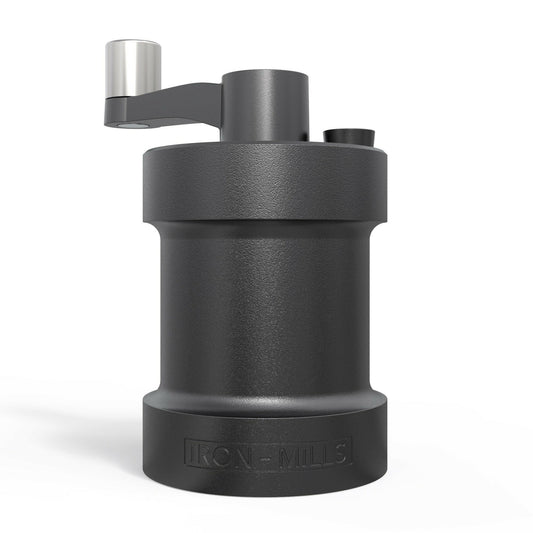
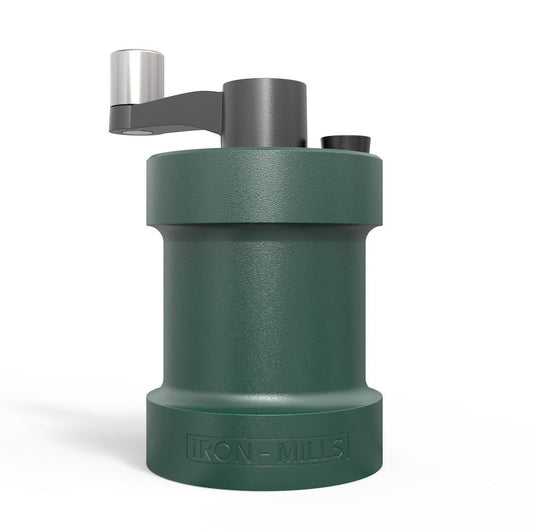
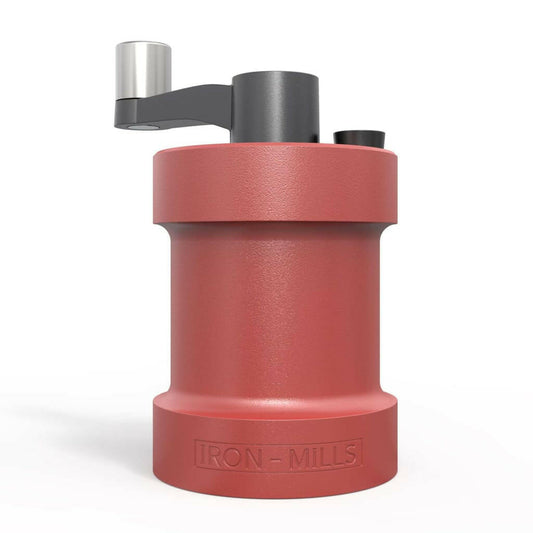
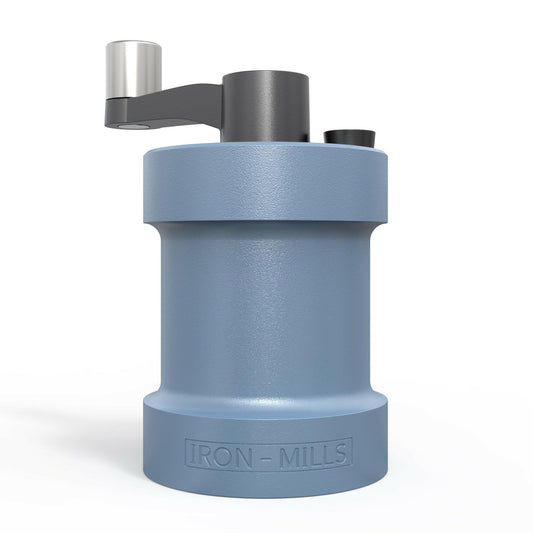
This is where build quality shows its worth. A proper mill should not feel disposable. It should be designed for long-term use, sensible maintenance, and reliable seasoning day after day. Iron-Mills, for example, is built around that exact expectation - sturdy kitchenware that earns its place rather than ending up replaced in six months.
Still, even the best mill cannot overcome poor care entirely. If it is repeatedly exposed to moisture or filled with unsuitable salt, performance will suffer. The good news is that most problems begin small and are easily corrected before they become serious.
A simple routine that works
If you want the plainest answer to how to clean salt mills, here it is. Empty the mill, brush out the inside, clear the grinder gently, wipe the outside with care, keep water to an absolute minimum, and refill only when everything is fully dry. That is the routine.
No gimmicks. No harsh cleaning products. No soaking. Just practical care that protects a piece of kitchen equipment you rely on every day.
A salt mill should feel solid in the hand and dependable at the table. Give it the occasional clean it deserves, and it will keep doing its job properly long after lesser grinders have packed in.