Mills for Coarse Peppercorns That Work
A pepper mill usually gives up at the exact moment you start cooking properly. You ask it for a generous, coarse crack of black pepper over steak, tomatoes or cacio e pepe, and instead you get dust, jams, or a top that feels ready to come off in your hand. That is why mills for coarse peppercorns deserve a closer look. Not all grinders are built to handle larger, harder peppercorns well, and the difference shows up on the plate.
What makes mills for coarse peppercorns different
Coarse pepper is not just finely ground pepper done badly. It behaves differently in cooking. A proper coarse grind gives you bursts of aroma, a cleaner bite and more texture. You notice it on grilled meat, roast vegetables and simple dishes where seasoning is doing more of the heavy lifting.
That means the mill has to do a tougher job. It needs enough strength in the grinding mechanism to crack peppercorns cleanly rather than crushing them unevenly. It also needs a body with some substance to it. Lightweight grinders often feel acceptable at first, but under regular use they tend to wobble, wear down or lose consistency.
A good mill for coarse peppercorns should produce a clear, even grind without forcing you to wrestle with it. That sounds basic, but it is exactly where many cheaper mills fall short.
Why cheap grinders struggle with coarse pepper
Most people have owned one. The acrylic mill from a supermarket shelf, the gift-set grinder that looked smart for a month, or the disposable grinder you kept topping up because it seemed thrifty. They all tend to fail in familiar ways.
The grinding mechanism is often the first weak point. If the internal parts are soft, poorly aligned or made to a price, they wear quickly. Coarse settings put more strain on those parts because the mill is cracking larger pieces rather than shaving fine powder. Once tolerances slip, the grind becomes erratic. You turn the mill and get a mix of shards, dust and the occasional half-broken peppercorn.
Then there is the issue of grip and control. A coarse grind often takes a little more torque. If the body is flimsy or too light, it is harder to keep a steady motion. Instead of a deliberate, even output, you get an awkward kitchen tool that feels disposable because, in truth, it was built that way.
The parts that matter most
If you want a mill that handles coarse peppercorns properly, focus on three things: the mechanism, the construction and the grind adjustment.
The mechanism is the heart of the mill. It should be designed to crack peppercorns rather than simply shred them. A consistent coarse grind depends on clean breaking action and stable alignment under pressure. Without that, no amount of attractive design on the outside will save the performance.
Construction matters more than many buyers realise. A solid mill is easier to control, especially when seasoning one-handed over a hot pan or finishing a dish at the table. Weight can be an advantage here. A cast iron mill, for example, has the kind of material presence that makes daily use feel secure rather than fiddly. It is not there for show. It helps the grinder stay stable in the hand and stand up to years of use.
Adjustment should be simple and repeatable. Some mills claim multiple settings but do not hold them well. You set it coarse, use it twice, and somehow you are back to a medium-fine grind. A good pepper mill should let you choose a coarser result and trust that it will stay there.
Coarse does not mean crude
There is a difference between a deliberately coarse grind and an uneven one. Good mills produce larger fragments with consistency. Poor mills produce chaos. That distinction matters when you cook regularly, because seasoning is not only about flavour. It affects texture, finish and balance.
On a pepper-crusted steak, you want defined pieces that toast and release aroma. In a salad, you want visible pepper that adds lift without turning muddy. In a cream sauce, you may want something slightly less coarse so the flavour spreads more evenly. A capable mill gives you that control.
Material quality is not a side issue
Kitchen tools that get used every day do not stay theoretical for long. You feel every weakness. Loose fittings, brittle parts and mechanisms that grind down over time are not minor annoyances. They are signs that the product was never built for long service.
This is where premium mills justify themselves. Better materials tend to hold alignment better, resist wear more effectively and deliver a steadier grind over the years. That is particularly relevant with pepper, because peppercorns are hard enough to expose poor engineering quickly.
For buyers who are tired of replacing grinders every year or two, material quality is the whole point. A proper pepper mill should feel like a fixture in the kitchen, not a stopgap.
Choosing a mill for your cooking style
The right choice depends partly on how you cook. If you mainly finish dishes at the table, comfort and appearance may carry more weight. You will want a mill that feels substantial, turns smoothly and looks at home beside proper crockery.
If you cook often and season in stages, durability becomes even more important. Repeated use over pans, trays and chopping boards exposes a mill to heat, steam and hard knocks. In that setting, a sturdier build is not indulgent. It is practical.
Household size also matters. A mill used once a day will age differently from one used in a busy family kitchen where everything from eggs to roast potatoes gets a final hit of pepper. If you are buying for frequent use, buy with that reality in mind rather than how the mill looks fresh out of the box.
What to watch for before you buy
Be wary of mills that talk more about style than performance. Good design is welcome, but a pepper mill is still a working tool. If there is little detail about the grinding action, build quality or warranty, that tells you something.
It is also worth being realistic about refillable versus replaceable. A refillable mill built well will nearly always make more sense than repeatedly buying throwaway grinders. You get better performance, less waste and a tool that earns its place on the counter.
A strong warranty helps too. It does not guarantee excellence on its own, but it often signals that the maker expects the mill to last. That matters in a category crowded with products built for a short life.
Why grind consistency changes the food
Pepper is one of those ingredients people underestimate because it is familiar. Freshly milled pepper has top notes and warmth that pre-ground pepper simply cannot keep. But that freshness only helps if the grind suits the dish.
Too fine, and pepper can turn harsh or disappear into the background. Too coarse, and it can dominate if scattered carelessly. The point of a well-made mill is not just that it grinds. It lets you season with judgement.
That control becomes more noticeable the better your ingredients are. A ripe tomato, a decent chop, scrambled eggs made with proper butter - these dishes do not need much, but they do show every shortcut. Fresh coarse pepper from a reliable mill brings lift and depth without fuss.
A better mill is usually the cheaper decision
There is a false economy in low-cost grinders. They seem sensible because the spend is small, but if the mechanism fails, the grind turns inconsistent, or the body cracks, you are back where you started. Buy three bad mills and you have paid for a good one, only with more irritation along the way.
This is why serious home cooks and careful buyers tend to move towards better-made kitchen tools over time. Not because they want excess, but because they are done buying the same weak product repeatedly. A pepper mill should not be a recurring problem.
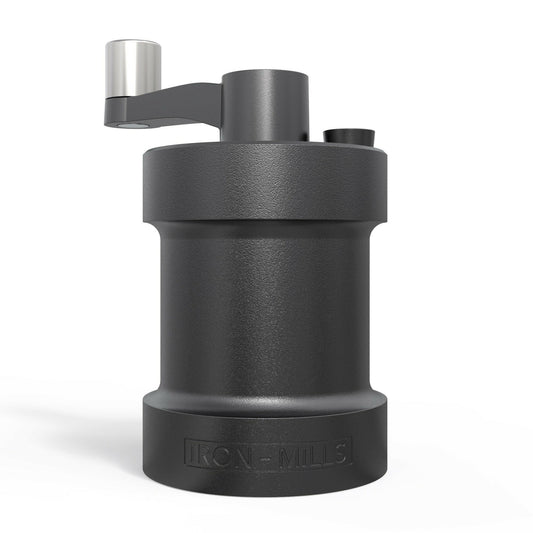
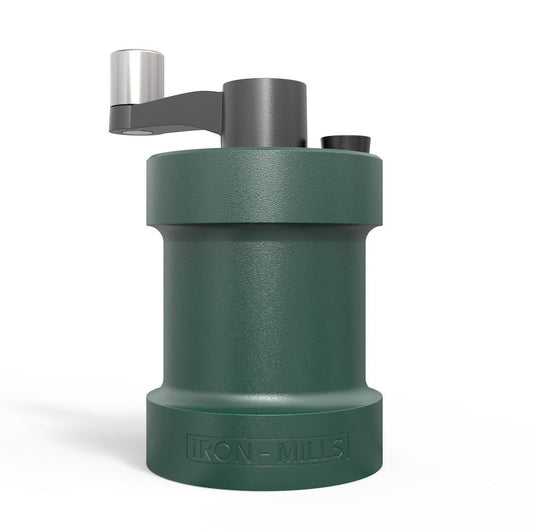
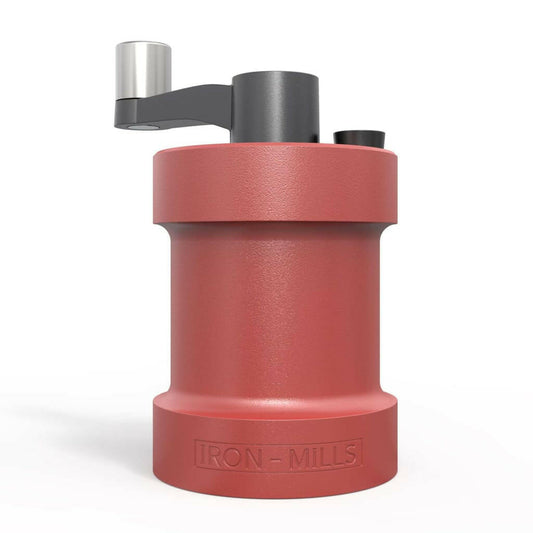
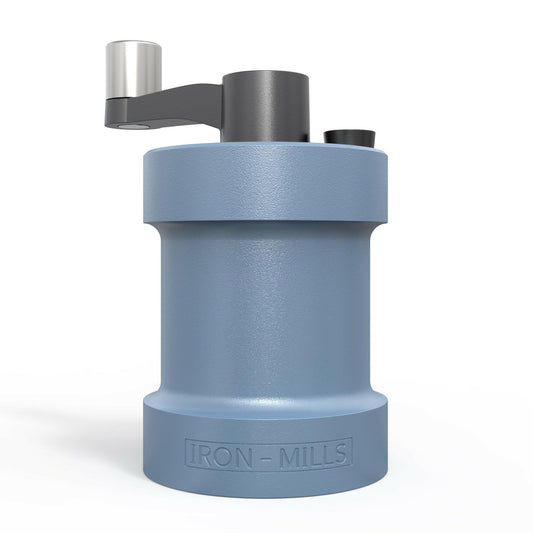
That is the thinking behind brands such as Iron-Mills: build something with proper materials, make it in Britain, and back it for the long haul. For shoppers who value reliability, that approach makes far more sense than another grinder destined for the bin.
The case for buying once and buying properly
A pepper mill sits within reach almost every day. It is part of weekday cooking, weekend suppers and the sort of meals you make when guests are round. The best ones become unremarkable in the best sense. They simply work, every time, without sticking, wobbling or producing a mess of powder and chunks.
If you are comparing mills for coarse peppercorns, start with performance and durability, then let design follow. A handsome mill that cannot hold a proper coarse grind is just clutter. A solid, well-made one earns its keep for years.
Choose the grinder that feels built for the long term, because seasoning is too fundamental to leave to a flimsy mechanism.