Rosemary Focaccia with Flaky Sea Salt and Cracked Black Pepper
Few breads reward so little effort as focaccia. A wet, barely kneaded dough rises in a well-oiled tin, gets pressed full of deep dimples, then bakes into a golden slab with a crisp base and a soft, open crumb. Rosemary, olive oil, flaky sea salt and a generous grind of black pepper are all it needs.
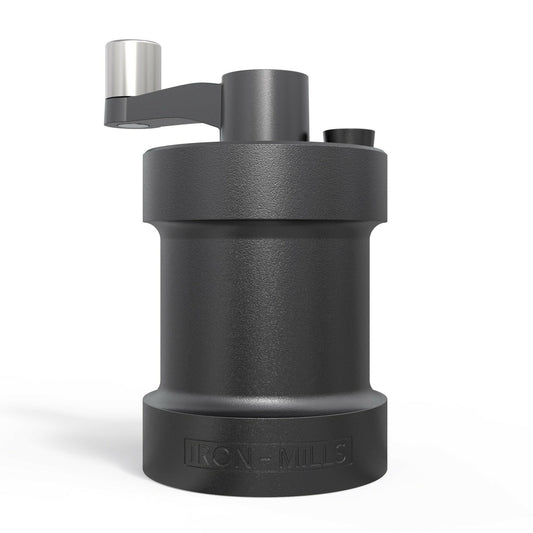
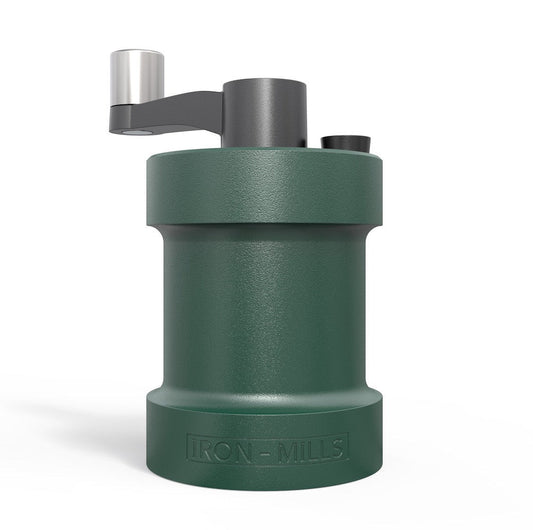
Salt does two jobs here. Inside the dough, finely milled salt dissolves evenly, seasoning every bite and helping the gluten hold the bubbles that give focaccia its airy texture. On top, flaky salt stays crunchy, and the little pools of salty brine in the dimples are the best part. Black pepper brings warmth against all that olive oil: a coarse grind keeps it from vanishing into the crust, and a mill with a fully adjustable grind, such as The Ivy Mill (a natural match for the rosemary), takes you from fine to coarse in a few turns.
One practical tip: weigh the salt for the dough rather than spooning it. A teaspoon of finely milled salt weighs noticeably more than a teaspoon of coarse crystals, and in bread a few grams either way makes a real difference.
Serves: 8 · Prep time: 25 minutes · Cook time: 25 minutes · Total time: 4 hours 15 minutes, including rising
Ingredients
- 500 g strong white bread flour
- 7 g fast-action dried yeast (1 sachet)
- 10 g fine sea salt, finely milled, plus ½ tsp for the brine
- 400 ml lukewarm water, plus 2 tbsp for the brine
- 6 tbsp extra virgin olive oil
- 3 sprigs fresh rosemary, leaves picked
- 1½ tsp flaky sea salt
- 1 tsp black peppercorns, coarsely ground
Method
- Put the flour in a large bowl and stir in the yeast on one side and the 10 g fine salt on the other. Add the 400 ml lukewarm water and 1 tbsp of the olive oil and mix with a spoon or your hand until there are no dry patches. The dough will be very wet and sticky. Cover and leave for 15 minutes.
- With a wet hand, grab one edge of the dough, stretch it up and fold it over the middle. Turn the bowl a quarter and repeat until you have gone all the way round. Cover, then repeat this set of folds three more times, 15 minutes apart. The dough will become smoother and more elastic each time.
- Cover the bowl and leave the dough to rise at room temperature for about 1 hour, until roughly doubled and full of bubbles.
- Pour 3 tbsp of the olive oil into a 23 x 33 cm baking tin and spread it over the base and sides. Tip the dough into the tin, turn it over once to coat it in oil, then gently stretch it towards the corners. If it springs back, leave it for 10 minutes and try again. Cover and leave to prove for 45 minutes to 1 hour, until puffy and well risen.
- Meanwhile, heat the oven to 230°C (210°C fan). Whisk the remaining 2 tbsp olive oil with the 2 tbsp water and ½ tsp fine salt to make a brine.
- Oil your fingertips and press them firmly into the dough all over, right down to the base of the tin, to make deep dimples. Pour the brine over so it collects in the hollows, then scatter over the rosemary leaves, the flaky salt and half of the coarsely ground pepper.
- Bake for 22–25 minutes, until deep golden on top and crisp underneath (lift a corner with a palette knife to check).
- As soon as the focaccia comes out of the oven, grind over the rest of the black pepper. Leave it in the tin for 5 minutes, then lift onto a wire rack and cool for at least 15 minutes before cutting into squares.
Seasoning notes
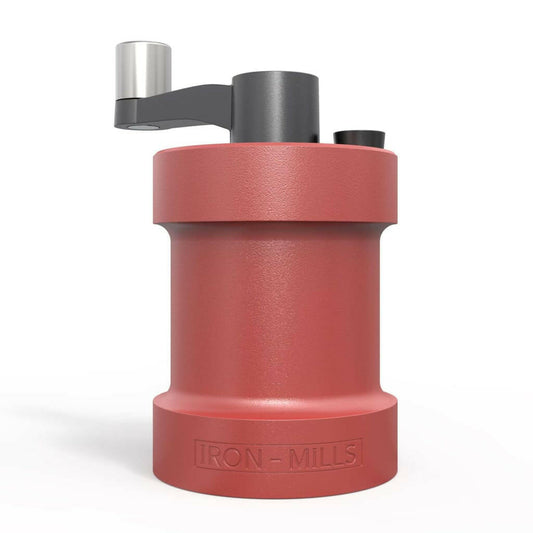
Fine salt belongs in the dough, where it needs to dissolve; flaky salt belongs on top, where you want crunch. Keep the pepper coarse for this bread: finely ground pepper disappears into the oil, while coarse pieces give little bursts of heat. Most of it goes on after baking, because freshly ground pepper loses its aroma quickly and a long spell in a hot oven dulls it further. For the dough, a salt mill such as The Oyster Mill on its finest setting gives you salt that dissolves in seconds.
Focaccia is best eaten the day it is baked, torn warm at the table with a little more olive oil and a last crack of pepper. If you reach for the mills that often, a matched pair makes sense: The Ivy Mill for pepper and The Oyster Mill for salt, both designed by a former Rolls-Royce engineer, with no plastic parts and a fully adjustable grind. Our Stainless Steel Filling Funnel makes topping them up with peppercorns and coarse salt a tidy job.