Why a Heavy Duty Seasoning Grinder Matters
A grinder usually earns your attention only when it fails. One day it turns smoothly, the next it jams over the roast, sheds grit onto the worktop, or produces a sad dusting when you wanted a proper crack of pepper. That is exactly why a heavy duty seasoning grinder matters. It is not kitchen theatre. It is the difference between a tool you trust every evening and one more bit of clutter waiting to be replaced.
People often treat salt and pepper mills as minor accessories, but they do a serious job. They face constant twisting pressure, repeated contact with hard crystals and peppercorns, kitchen steam, greasy hands and daily use. Cheap grinders are built to look acceptable on a shelf. Better ones are built to keep working. If you cook often, that difference shows up quickly.
What makes a heavy duty seasoning grinder different
A proper heavy duty seasoning grinder is not simply heavier in the hand. Weight can suggest quality, but it is not the whole story. What matters is the material, the grinding mechanism, the stability of the body and how consistently the mill performs over time.
Start with construction. A flimsy acrylic or thin-walled body may look tidy when new, but it often becomes the weak point. Repeated twisting stresses the casing, threads wear down, and the whole thing starts to feel loose. A stronger mill has real structural integrity. It feels planted in the hand, with no wobble, flex or sense that a single knock off the counter will finish it.
Then there is the mechanism itself. This is where many low-cost grinders disappoint. At first they grind well enough, but cheap internal components wear, blunt or shift out of alignment. The result is uneven seasoning and more effort for less output. A serious grinder keeps a reliable bite on the ingredients, whether you want a fine finish over chips or a coarser grind for a steak before it hits the pan.
Consistency matters more than most people realise. Seasoning is not just about adding salt or pepper. It is about controlling texture, intensity and coverage. If half the mill comes out as powder and the other half as oversized chunks, your food pays the price.
Why cheap mills fail so quickly
Most people have bought the same grinder twice without meaning to. The first one looked decent, the price seemed harmless, and replacing it felt easier than thinking too hard. Then it stuck, cracked, dulled or simply stopped producing a useful grind. So another went in the basket.
The problem is not just cost. It is performance fatigue. A poor grinder turns seasoning into a small irritation that repeats every day. You twist harder. You spill more. You settle for whatever comes out. Over months and years, that is a poor bargain.
Cheap mills tend to fail in familiar ways. Bodies split or loosen. Adjustment settings drift. Internal parts corrode or wear down. Lids stop fitting properly. Even before outright failure, they often lose the clean, precise feel that makes them pleasant to use. That decline is easy to miss because it happens gradually, but once you use a properly made mill again, the difference is obvious.
This is where a more durable approach earns its keep. Buying one well-made grinder is not about showing off. It is about avoiding the cycle of low-grade replacements.
The heavy duty seasoning grinder in everyday cooking
The real test of a heavy duty seasoning grinder is not how it photographs. It is how it performs on a wet Tuesday when you are cooking in a hurry. Can you reach for it with one hand, season confidently and get on with dinner? Does it still grind cleanly above a steaming pan? Does it give you proper control without a fight?
That is where robust design comes into its own. A grinder should feel secure, balanced and decisive. Not awkward. Not delicate. Not precious. If you cook regularly, you want a mill that behaves like a dependable tool rather than a decorative object.
It also needs to suit different ingredients and different uses. Fine salt for finishing a soup is not the same as a more generous crack of pepper over lamb. A decent grinder gives you control without fuss. The mechanism should respond clearly, and the output should match what you asked for.
There is a design point here too. Kitchens are practical spaces, but they are also lived-in spaces. A substantial mill brings a certain honesty to the worktop. It looks like it belongs there because it does something useful, and it does it well. That quiet confidence is part of the appeal.
Material matters more than marketing
A lot of kitchenware leans hard on surface claims. Sleek finish, modern style, premium feel. Fine words, but seasoning mills are judged by harder standards. Material quality tells the truth.
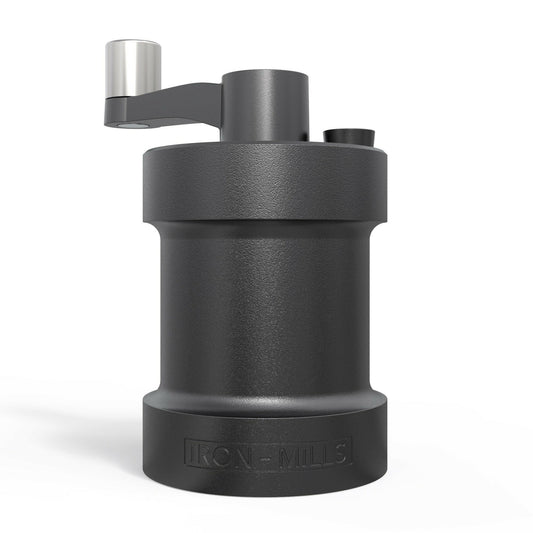
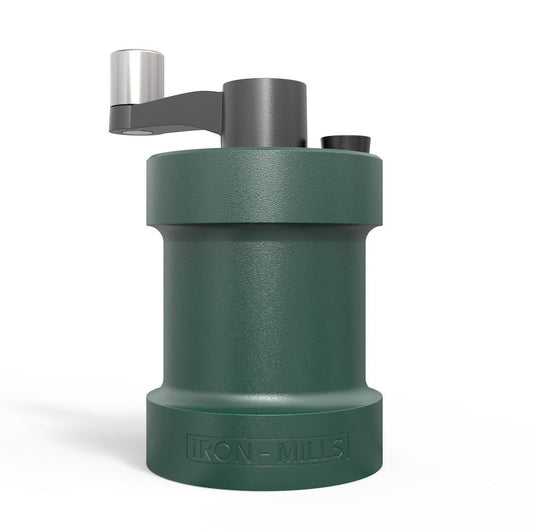
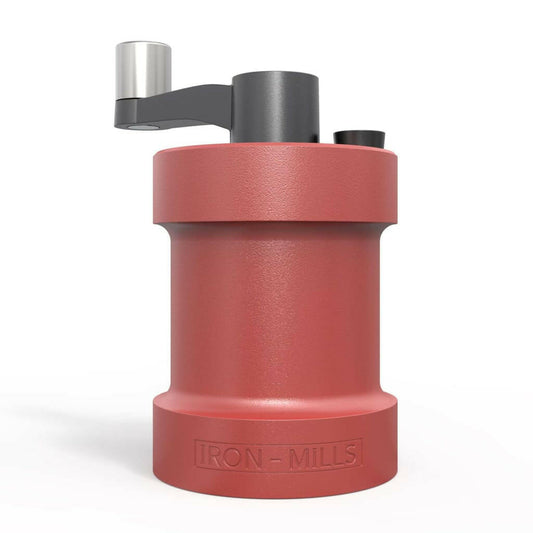
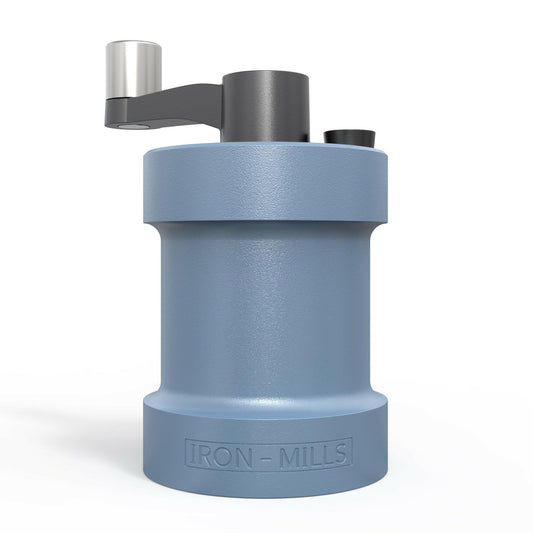
Cast iron stands apart because it brings genuine strength and permanence. It has presence in the hand, resists the light, hollow feel of cheaper alternatives and speaks the language of long-term use. For buyers tired of throwaway kitchen tools, that matters. You are not paying for novelty. You are paying for endurance.
Of course, material alone is not magic. A heavy body with a poor mechanism is still a poor grinder. But when strong materials are paired with good engineering, the result is a mill that feels settled and reliable from the first turn. That is the standard worth looking for.
For many households, there is also something reassuring about choosing British-built kitchenware with proper substance. It suggests accountability. It suggests the maker expects the product to be used, not merely sold.
When a premium grinder is worth it
Not everyone needs the same thing from a grinder. If you cook once a week and keep a disposable mill at the back of the cupboard, a premium option may feel excessive. But for keen home cooks, frequent hosts and anyone who values tools that last, the calculation changes.
A better grinder earns its place in three ways. First, it performs more reliably. Second, it lasts longer. Third, it makes the everyday act of seasoning feel straightforward rather than fiddly. Those benefits are not dramatic on day one. They build over time.
There is also the question of gifting. A proper seasoning mill is one of those rare kitchen items that feels both useful and substantial. It suits weddings, housewarmings, birthdays and Christmas because it offers something more durable than a novelty present and more personal than a generic voucher. People keep it, use it and remember who gave it.
That is why brands such as Iron-Mills appeal to buyers who have had enough of disposable kitchenware. The promise is simple - solid construction, dependable performance and a product that belongs in a serious kitchen for years, not months.
What to look for before you buy
A good grinder should make a strong first impression, but there are more practical signs to watch for. The body should feel stable and properly made, with no rattling parts or weak joins. The grinding action should be smooth and deliberate, not stiff or scratchy. Adjustment, if included, should feel clear rather than vague.
It is also worth considering aftercare and trust. A long warranty says a great deal in this category. So does transparent manufacturing information. If a brand is confident enough to stand behind the product for years, that is usually a better signal than polished marketing copy.
You should also think honestly about your own kitchen habits. If your grinder sits out daily, durability and design both matter. If you cook with different salts and peppercorns, consistency matters even more. The best choice is not always the most ornate or the most expensive. It is the one built for regular use without compromise.
There is an obvious trade-off, of course. A heavy duty grinder usually costs more upfront. But that higher entry price often replaces a string of mediocre purchases, each one cheaper in the moment and dearer in the long run.
A small tool that changes the feel of a kitchen
People do not often talk about seasoning mills with much seriousness, yet they use them constantly. That is precisely why quality matters here. The small tools shape the rhythm of cooking. When they work well, everything feels easier. When they do not, they chip away at the pleasure of being in the kitchen.
A heavy duty seasoning grinder is a practical decision, but it is also a statement about what belongs in your home. Buy once. Use it properly. Expect it to last. That standard may sound old-fashioned, but in a market full of flimsy replacements, it still makes perfect sense.
If your current grinder already feels tired in the hand, takes too much effort or gives you patchy results, trust what it is telling you. A better-made mill will not just season your food more cleanly. It will remind you that everyday tools are worth getting right.