Salt Pepper Grinders That Actually Last
A good meal can be let down by something as simple as a poor grind. You reach for your salt and pepper grinders, twist once, and get dust, chunks, or nothing at all. That is the problem with cheap mills - they look the part on the worktop, but under daily use they wobble, jam and wear out far too quickly.
If you cook often, you already know seasoning is not a finishing touch. It is part of how flavour is built from the first pan on the hob to the plate on the table. That makes the grinder in your hand a working tool, not a decorative extra. And like any proper kitchen tool, it ought to be reliable.
Why cheap salt pepper grinders disappoint
Most people do not set out to buy a bad grinder. They buy what looks decent enough, often in a supermarket or as part of a gift set, only to find it struggles after a few months. The body feels light, the mechanism starts slipping, and the grind becomes inconsistent. One turn gives you powder, the next gives you coarse shards.
That inconsistency matters more than many people realise. Fine salt behaves differently from coarse salt in a pan. Pepper that falls in a rough crackle over a steak gives a different result from pepper ground too finely and lost in the heat. When your mill cannot produce a dependable texture, you lose control over the food.
There is also the simple annoyance of replacement. Buy a cheap grinder once and it seems economical. Buy three or four over the years and it becomes the expensive option. Worse, you still do not have a kitchen tool you trust.
What to look for in salt pepper grinders
A proper grinder should feel substantial in the hand. Weight is not everything, but it usually tells you something important about material quality. Flimsy acrylic and thin components rarely stand up to long-term use. A mill with solid construction feels steadier when grinding, and that steadiness helps produce a more even result.
The grinding mechanism matters just as much as the outer body. This is where many low-cost products fail. The mechanism takes the pressure, friction and repeated motion of everyday use. If it is poorly made, it wears quickly. If it is well made, the mill keeps performing without fuss.
Adjustability is another point worth considering. Not everyone wants the same grind. A finer pepper suits sauces and soups, while a coarser crack works better over grilled meat, roast vegetables or a fresh salad. With salt, the same principle applies. The right grinder should allow you to season with intention rather than make do with whatever falls out.
Then there is ease of refilling. This sounds minor until you have wrestled with a badly designed cap while trying not to spill peppercorns across the kitchen. A good mill should be straightforward to open, refill and return to use. Kitchen tools should make cooking easier, not add another irritation.
Materials make the difference
When people talk about premium kitchenware, the conversation often drifts into style. Style matters, of course, but durability starts with material choice. If a grinder is built from weak or lightweight components, no amount of smart design will rescue it from daily wear.
Cast iron stands apart because it offers the kind of strength and permanence that suit a hardworking kitchen. It has presence. It feels planted, dependable and serious. More importantly, it is made for use. In a market crowded with throwaway products, that sort of material choice says something clear: this is meant to stay.
That does not mean every household needs the heaviest mill possible. It depends on how you cook, how often you use it and what sort of feel you prefer in the hand. But if longevity is the aim, solid materials are rarely the wrong place to start.
Why grind quality matters in everyday cooking
You do not need to be a professional chef to notice the difference between a good grind and a poor one. Seasoning affects far more than saltiness or heat. It changes how flavour is released, how it sits on the tongue and how evenly it spreads through a dish.
Take black pepper on tomatoes. A coarse grind gives little bursts of aroma and bite. A fine grind blends in more quickly and gives a gentler warmth. Neither is wrong, but they are not interchangeable. The same goes for finishing a roast chicken, seasoning chips, or building flavour in a stew.
A dependable mill gives you consistency, and consistency is what makes good cooking repeatable. If last Sunday’s roast potatoes were spot on, you want to be able to do it again next week. That is harder than it should be when your grinder produces a different result every time.
Salt pepper grinders as part of the kitchen, not clutter
There is a practical reason good mills tend to stay out on the worktop or table - they are used constantly. That means appearance does matter, but not in a fussy or fashionable way. The best kitchen tools look right because they are honest about what they are built to do.
A well-made grinder has a certain authority to it. It does not need gimmicks. It does not need bright finishes or novelty shapes to justify its place. It earns that place by working properly and by looking as though it belongs in a serious kitchen.
For many households, that also makes a quality set a sensible gift. It is useful, long-lasting and far less forgettable than another generic kitchen accessory. People remember the tools they use every day.
Built to last is not a slogan
Plenty of brands talk about quality. Fewer are willing to back that claim with clear guarantees and proper manufacturing standards. That is where the difference between marketing and confidence becomes obvious.
When a company is prepared to stand behind a mill with a substantial warranty, it usually means the product was built with long-term use in mind. The same goes for manufacturing identity. British-built kitchenware carries weight not because of sentiment alone, but because it signals accountability, craft and a higher standard of finish.
That matters to buyers who are tired of replacing the same item over and over. A grinder is not the most expensive thing in the kitchen, but it is one of the most repeatedly used. Dependability counts for more than novelty.
How to choose the right grinder for your home
The right choice depends on what you value most. If you cook daily, go for durability first. You will feel the benefit every time you season a pan, finish a plate or set the table. If you entertain often, you may care just as much about how the mills look alongside your serving pieces. Ideally, you should not have to compromise.
It is also worth thinking about who is using them. Some people prefer a lighter mill, while others like the balance and control of a more substantial one. If ease of grip is important, shape and texture matter as much as mechanism.
Most of all, avoid buying on looks alone. A smart photograph tells you very little about what the grinder will feel like after a year of use. Construction, mechanism quality and warranty are far better indicators of whether it will earn its keep.
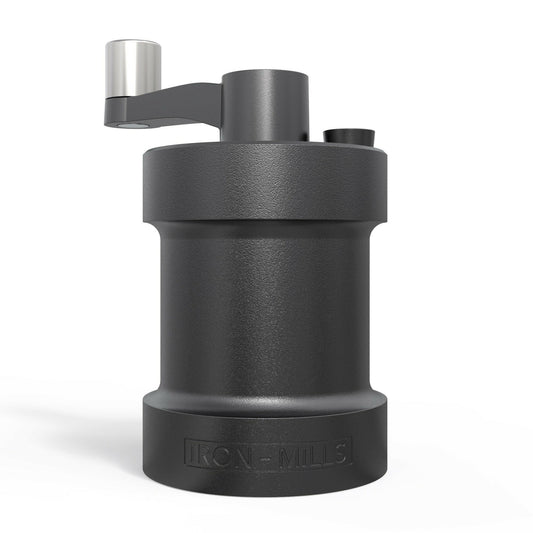
For buyers who want a no-compromise option, Iron-Mills speaks directly to that frustration with flimsy kitchenware. Solid construction, British-built credentials and a long warranty are not extras in this category - they are exactly what serious home cooks should expect.
The case for buying once
There is a certain satisfaction in owning kitchen tools that simply get on with the job. No fiddling, no apologising for poor performance, no replacing them after a short spell. Just a mill that delivers a clean, even grind day after day.
That is why better grinders are worth the money. Not because they are luxurious in some abstract sense, but because they remove a problem. They turn one of the most used tools in the kitchen into one of the most dependable.
If your current grinder rattles, sticks or sheds more disappointment than seasoning, take that as your answer. Buy the one that feels built for real cooking, and you will notice the difference every time your hand reaches for it.