Cast Iron vs Ceramic Mills: Which Lasts?
A pepper mill usually earns attention only when it goes wrong. One day it turns smoothly, the next it slips, jams or produces a sad dusting instead of a proper grind. That is why cast iron vs ceramic mills is not a small detail for keen cooks - it is the difference between buying once with confidence and replacing yet another grinder that never quite lived up to the promise.
For anyone tired of cheap mills that crack, wear down or struggle with daily use, the material matters more than the packaging. Cast iron and ceramic are both common choices for grinding mechanisms, but they behave very differently over time. If you want a mill that feels solid in the hand and keeps doing its job year after year, it pays to know what you are really buying.
Cast iron vs ceramic mills: the real difference
At a glance, both materials can sound suitably premium. Ceramic is often marketed as hard, rust-resistant and modern. Cast iron is associated with strength, weight and old-school reliability. Both impressions contain some truth, but they do not tell the full story.
A ceramic mechanism is typically made from a very hard engineered material that resists corrosion and can handle a range of dry seasonings. In many mills, that hardness helps deliver a reasonably consistent grind, especially when new. Ceramic also has the advantage of not reacting in the way some metals can if exposed to moisture.
Cast iron, by contrast, is about toughness and staying power. It is less about showroom language and more about practical service. A well-made cast iron mechanism has the sort of mechanical confidence people notice straight away. It feels purposeful. It grips peppercorns cleanly, applies force properly and stands up to regular use without feeling delicate.
The key point is this: hardness and durability are not always the same thing. Ceramic is hard, but it can also be brittle. Cast iron is immensely strong and far less prone to the sort of sudden failure that leaves a mill fit only for the bin.
Durability is where the choice becomes clear
If you use a mill once in a while for the odd Sunday roast, both materials may seem acceptable for a good stretch. But many households use salt and pepper mills every day, often several times a day. In that setting, durability stops being a technical talking point and becomes the whole game.
Ceramic mechanisms can last well under gentle conditions, but they are more vulnerable to chipping or cracking if the mill is dropped or knocked hard. That matters in a busy kitchen. Worktops are unforgiving, and kitchen tools do not live pampered lives. A mechanism can be excellent on paper and still prove disappointing in a real home.
Cast iron is better suited to that reality. It is solid, impact-resistant and built for repeated mechanical stress. When people say they want a mill that lasts, what they usually mean is not simply that it works for now. They mean it should cope with daily handling, occasional bumps and years of regular turning without becoming temperamental.
This is where a premium cast iron mill earns its keep. It is designed for long-term use rather than short-term convenience. That difference may not be obvious on the shelf, but it becomes very obvious after months and years in the kitchen.
What about grind performance?
A mill is only as good as the grind it produces. There is no point having a handsome object on the table if it cannot crack peppercorns properly or deliver a reliable texture.
Ceramic mills can produce a decent, even grind, particularly in entry-level and mid-range products. They are often chosen because they work across different dry spices and because manufacturers can produce them at scale. For some buyers, that versatility is enough.
But performance is not just about the first few uses. It is about how the mechanism behaves once it has seen proper service. Some ceramic grinders begin well and then lose a degree of sharpness or consistency with time. Others remain serviceable but lack the authority that enthusiastic cooks want when seasoning with intent.
Cast iron mechanisms tend to feel more decisive. They bite into peppercorns with conviction and produce a grind that suits serious cooking. Coarse enough for a steak, fine enough for finishing a sauce, and consistent enough that you are not fighting the tool every time you season. There is a reason cast iron has long been trusted in hardworking kitchen equipment - it simply gets on with the job.
Cast iron vs ceramic mills for salt
This is the point where some nuance matters. Salt behaves differently from pepper, and not every material responds in the same way.
Ceramic is often favoured for salt because it is naturally resistant to corrosion. In a poorly made metal mechanism, salt can encourage rust or wear if moisture gets in. That is why ceramic became a popular answer in many mainstream salt mills.
However, material alone does not decide performance. Build quality, protective finishes, engineering and overall design all play a part. A properly made premium mill takes these realities into account rather than relying on one material buzzword to do all the selling.
For buyers, the practical question is less about theory and more about trust. Do you want a mechanism chosen because it is cheap to mass-produce, or a mill built with the expectation that it should serve your kitchen properly for years? That is where better construction and careful manufacturing standards matter just as much as the raw material itself.
The feel in the hand matters too
People often discuss grinding mechanisms as if the rest of the mill hardly counts. That is a mistake. A good mill should feel balanced, secure and satisfying to use.
Ceramic mechanisms are commonly housed in lighter bodies, especially in lower-cost mills. There is nothing wrong with lightness in itself, but it can create a disposable feel. If the body is flimsy and the mechanism merely adequate, the whole product feels temporary.
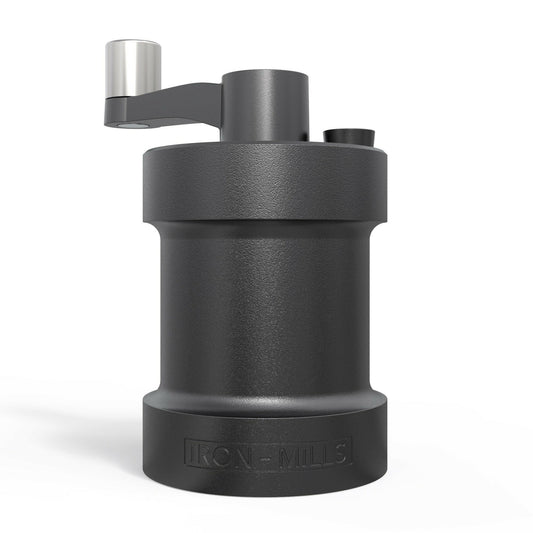
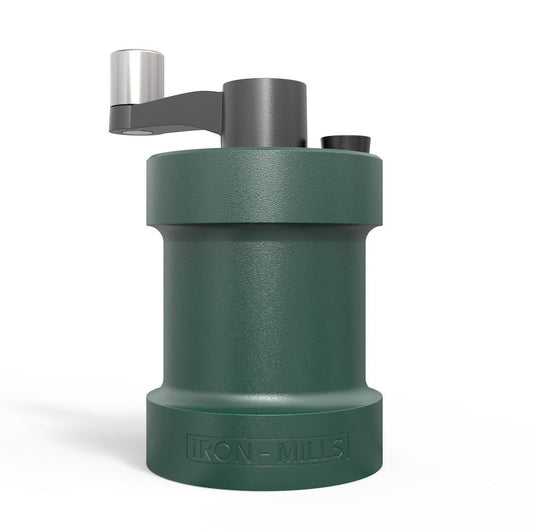
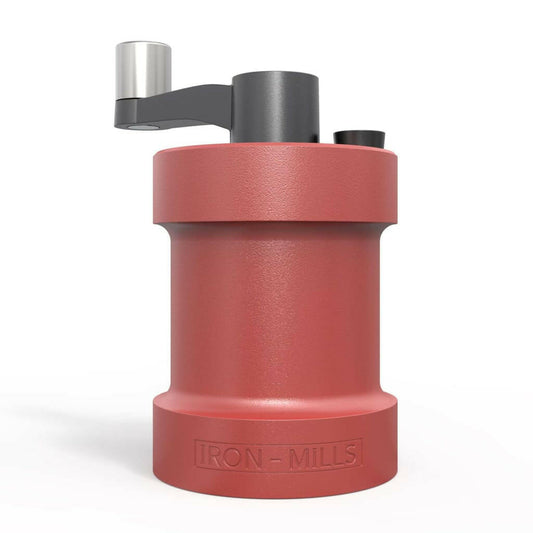
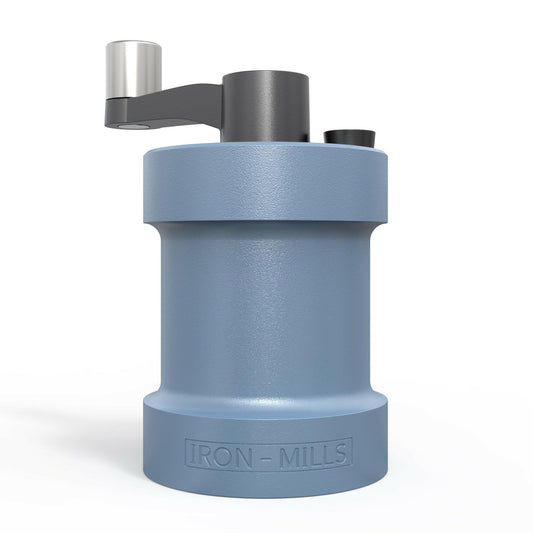
Cast iron mills have presence. They feel substantial, reassuring and capable. That weight is not there for show. It contributes to a sense of control and permanence that many home cooks appreciate, particularly if they have grown tired of replacing throwaway kitchenware. A mill should not feel like a compromise every time you pick it up.
For style-conscious homes, this matters as much as performance. A well-made cast iron mill looks at home in a serious kitchen and on a properly laid table. It speaks the same language as good cookware - practical, handsome and built with purpose.
Value is not the same as low price
Ceramic mills are often cheaper to buy, and that can make them look like the sensible option. Sometimes they are sensible, particularly for occasional use or a secondary mill. But low upfront cost and good value are not the same thing.
If a ceramic mill needs replacing after a short spell, the bargain disappears quickly. Add inconsistent performance, a lighter build and the frustration of a mechanism that never feels quite right, and the cheaper choice can become the more expensive habit.
Cast iron mills usually sit at a more premium price point, but that price reflects a different standard. You are paying for strength, longevity and a more dependable experience in daily use. For households that cook often, that investment tends to make sense. Buying once is usually cheaper than buying twice, then a third time when the replacement also disappoints.
This is where brands such as Iron-Mills speak to a very real frustration. People are not merely shopping for a grinder. They are looking for kitchenware that does not let them down.
Who should choose which?
If you want a low-cost mill for light use, ceramic may do the job adequately. It can be a fair choice for buyers who prioritise corrosion resistance above all else and are content with a more standard feel.
If you cook regularly, care about build quality and want something with real staying power, cast iron is the stronger proposition. It suits buyers who value craftsmanship, dependable performance and products that feel built rather than assembled to a price.
That does not mean every cast iron mill is automatically excellent or every ceramic mill is poor. Manufacturing quality still matters. But when all else is equal, cast iron offers the kind of toughness and confidence that many serious home cooks are after.
The best kitchen tools earn their place quietly. They work every day, they age well, and they spare you the irritation of replacing things that should have lasted in the first place. If that sounds like the standard your kitchen deserves, choose the mill that is made to endure, not merely made to sell.